
 Caleb Turner
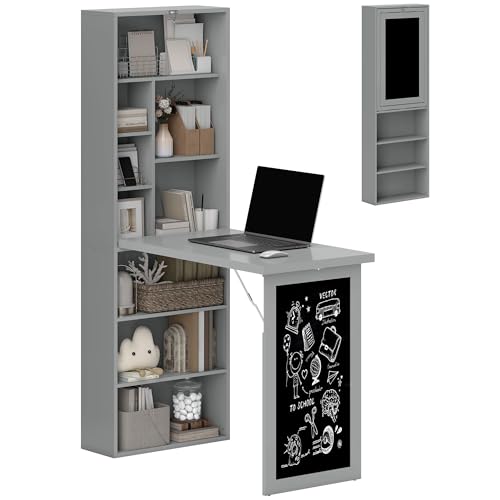
To create a seamless and appealing living space, I recommend focusing on clean lines and minimalist forms that prioritize functionality. When selecting pieces, look for those that embody simplicity while providing practical use, making them both aesthetically pleasing and useful.
Incorporate natural materials like wood and metal, as these elements not only add texture but also foster a connection to the environment. Pieces constructed from sustainable resources can enhance the overall space, reflecting a commitment to eco-friendliness.
Color palettes play a significant role; I advise that you choose neutral tones as a base and use bold accents to add personality. This approach creates a balanced atmosphere that is visually interesting without overwhelming the senses.

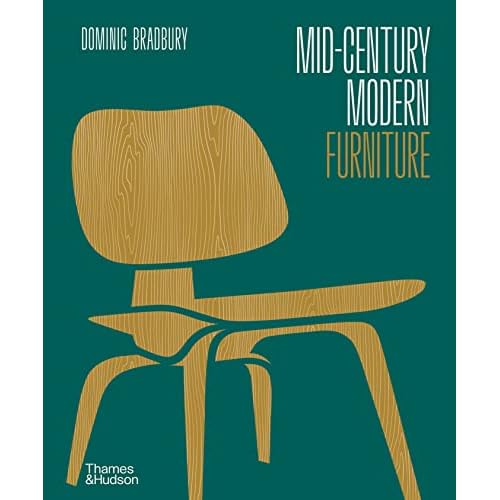

Finally, consider incorporating multi-functional items. For instance, a coffee table that doubles as storage can maximize space while maintaining a clutter-free environment. This dual purpose is a hallmark of intelligent interiors, effectively merging style with practicality.
Innovative Characteristics of Contemporary Seating and Storage
In today’s interior spaces, functionality combined with aesthetic appeal takes center stage. I recommend prioritizing multi-functional pieces that serve dual purposes, such as ottomans equipped with storage or coffee tables that convert into dining surfaces. This approach maximizes space utility without compromising style.
Materials and Textures
Incorporating a variety of textures enhances visual interest. I suggest exploring soft textiles alongside hard surfaces like metal or glass. For instance, a velvet sofa paired with a sleek, polished table creates a dynamic contrast that captivates the eye. Additionally, sustainable materials are increasingly popular, providing both ethical choices and a unique appeal.
Color Palettes and Shapes
When selecting color schemes, consider neutral tones accented with bold hues for a modern twist. Simple geometric shapes and clean lines contribute to a cohesive look. I find that round and irregular forms soften a space, balancing the sharp angles of typical architectural elements. Don’t shy away from bold statement pieces that draw attention and spark conversation.
Defining Characteristics of Modern Furniture
Simplicity reigns. Clean lines and minimal ornamentation are key traits. Shapes are often geometric, creating a sense of order and clarity. Functionality drives form; every piece serves a practical purpose without unnecessary embellishments.
Materials play a crucial role. Commonly used elements include metal, glass, and wood, often combined in innovative ways. These selections enhance durability while offering aesthetic appeal. Sustainable options are increasingly popular, reflecting an awareness of environmental impact.
Neutral palettes dominate color schemes, with occasional bold accents. This allows for versatility, ensuring that items can adapt to various interior styles. Textures add depth, creating an inviting atmosphere while maintaining a streamlined look.
Scale matters significantly. Proportions are considered to harmonize with surrounding spaces, preventing overcrowding. Multi-functional items are favored, catering to contemporary living where efficiency and space-saving are priorities.
The ethos behind these creations embraces individuality. Customization options and unique designs allow personal expression, setting apart a residence from the mundane. Innovations in technology also influence the evolution of these constructs, allowing for smarter and more adaptable pieces.
Key Materials Used in Contemporary Furniture Creation
Choosing appropriate materials significantly influences the aesthetic and functionality of home decor. I often find various elements that stand out in the realm of current creation.
Wood Types
- Oak: Celebrated for its durability and fine grain. Often utilized in high-quality pieces.
- Bamboo: A sustainable option, known for its strength and unique texture.
- Walnut: Offers deep, rich tones, making it a favorite for premium items.
Metals and Alloys
- Aluminum: Lightweight and resistant to rust, ideal for modern frameworks.
- Steel: Provides strength; frequently features in minimalist designs for its sleek look.
- Brass: Adds a touch of elegance, often used in accents and hardware.
Fabrics and Finishes
- Leather: A classic that brings luxury and comfort to seating.
- Velvet: Popular for upholstery, appreciated for its softness and rich colors.
- Natural Fibers: Materials like cotton and linen are favored for their breathability and texture.
Integrating these components allows for creativity and innovation, driving the evolution of stylish and functional interiors.
Influential Designers Shaping Modern Furniture Aesthetics
Exploring the works of significant creators helps appreciate the nuances in contemporary home elements. Here are some pivotal figures who have made substantial impacts on current styles:
- Hans Wegner – A Danish innovator known for his emphasis on functionality and organic shapes. His iconic pieces like the Wishbone Chair exemplify seamless integration of beauty and utility.
- Eero Saarinen – An architect and designer recognized for his trademark curves. His Tulip Chair showcases how sculptural forms can redefine the traditional seating experience.
- Charles and Ray Eames – This duo is celebrated for their multidisciplinary approach, merging art with practical usage. Their molded plywood chairs revolutionized ergonomic seating.
- Marcel Breuer – A Bauhaus luminary, Breuer’s use of tubular steel altered perceptions regarding lightweight and durable materials. His Wassily Chair remains a prime example of minimalistic aesthetics.
- Isamu Noguchi – Famed for blending art and functionality, Noguchi’s tables reflect an organic harmony, encouraging interaction between art and everyday life.
- Finn Juhl – A pioneer of Danish modernism, Juhl’s work promotes an artistic narrative in everyday objects, such as his Chieftain Chair, which balances comfort with sculptural elegance.
- Patricia Urquiola – A contemporary talent whose designs often mix traditional and modern techniques. Her pieces encourage a playful yet sophisticated interpretation of space.
Studying the contributions of these figures fosters a deeper understanding of the principles and aesthetics that currently inspire creators worldwide.
How to Incorporate Modern Furniture into Your Space
Select versatile pieces that can adapt to changing needs. For instance, opt for a sleek sofa that can serve as a bed for guests, ensuring functionality without compromising aesthetics.
Create focal points by arranging items strategically. A bold armchair or an artistic coffee table can draw the eye and serve as conversation starters, enhancing the overall feel.
Mix textures and colors thoughtfully. Pairing smooth finishes with rougher materials, such as a glass-topped table with a wooden base, can add depth and interest to a setting.
Utilize open spaces effectively. Avoid overcrowding by choosing fewer, impactful pieces that allow for flow and give each item its due attention.
Incorporate lighting to highlight selected objects. Use floor lamps or sconces that complement the sleek lines of your chosen items to create ambiance and warmth.
Incorporate natural elements. Combining greenery with minimalistic structures can soften edges and bring life into your rooms, grounding the overall look.
Consider multi-functional items to maximize functionality. A stylish storage ottoman or a nesting table can provide both utility and visual appeal.
Balance out current selections with traditional or eclectic accents for a touch of personality. Vintage finds or unique decor can create an engaging contrast to typical contemporary forms.
Stay mindful of proportions; larger areas benefit from bigger items, while cozier spaces call for smaller, more delicate pieces to maintain harmony.
Finally, commitment to a cohesive color palette ensures that all elements work together seamlessly, enhancing the curated feel of your environment.
Trends in Sustainable Practices for Furniture Manufacturing
Incorporate reclaimed materials to enhance environmental responsibility. This approach not only minimizes waste but also adds unique character to each piece. By sourcing timber from old structures or using repurposed metal and fabrics, artisans create distinctive items while supporting eco-friendly methods.
Biodegradable Alternatives
Exploring biodegradable materials proves beneficial for long-term sustainability. Natural fibers such as hemp, jute, and organic cotton serve as excellent options. Manufacturers increasingly adopt these resources to reduce ecological impact, creating products that decompose without leaving harmful residues.
Energy-Efficient Production Techniques
Implementing energy-efficient machinery drastically lowers carbon footprints during manufacturing. Utilizing solar or wind power to operate equipment has gained traction among forward-thinking creators. This shift not only cuts costs but also aligns with a commitment to greener practices.
Collaboration with local artisans and suppliers strengthens community ties and decreases transportation emissions. Establishing partnerships within regions fosters a sense of locality, supporting economies while decreasing the overall impact on the planet.
Integrating minimalistic designs enhances longevity and promotes the idea of lasting investment over disposable consumerism. Quality over quantity becomes a guiding principle, encouraging consumers to choose more durable products that stand the test of time.
Balancing Functionality and Style in Contemporary Seating
Choose pieces that serve dual purposes. For example, a sofa bed provides comfort for sitting and the practicality of accommodating overnight guests. Look for ottomans that can act as storage solutions while also providing additional seating.
Integrating Aesthetics with Everyday Use
Incorporate elements that enhance visual appeal while being useful. Select side tables with integrated charging ports, allowing easy access to power without cluttering surfaces with cords. Opt for modular shelving systems that can be reconfigured as needs change, maintaining both beauty and adaptability.
| Type | Functionality | Style |
|---|---|---|
| Sofa Bed | Seating & Sleeping | Streamlined & Versatile |
| Storage Ottoman | Storage & Seating | Chic & Practical |
| Modular Shelving | Customizable Storage | Modern & Stylish |
Focusing on Quality Craftsmanship
Investing in well-made items not only enhances durability but also elevates a room’s overall look. Items constructed from high-quality materials, like solid wood or metal, often feature clean lines that add a sophisticated touch while ensuring longevity. Prioritize brands that emphasize sustainable practices and ethical sourcing, as they typically reflect greater care in their craftsmanship.


