Caleb Turner
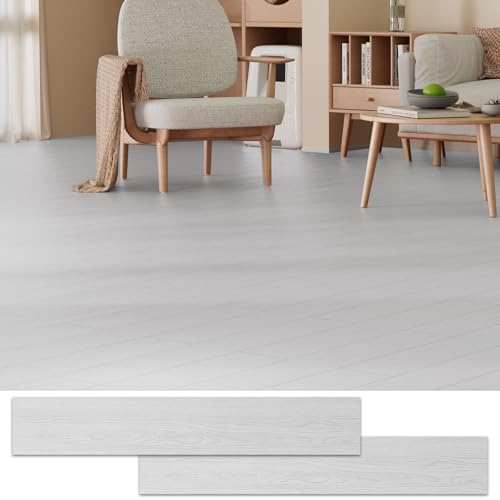
Opt for a warm, medium-toned shade like honey or chestnut to create a striking contrast against rich mahogany or espresso pieces. This combination not only enhances the beauty of your space but also adds a sense of warmth and sophistication. The interplay between the hues allows the darker items to stand out, ensuring that your decor feels cohesive and inviting.
If you’re aiming for a lighter contrast, consider creamy beige or light gray tones. These shades provide an airy feel while softening the overall aesthetic. They work beautifully in spaces where natural light is abundant, reflecting brightness and creating an open atmosphere that complements heavier textures and darker finishes.
In the case of an industrial or modern theme, opting for a cool-toned option like slate or charcoal can yield an edgy vibe. These darker shades serve to highlight silver or brushed metal accents, reinforcing a contemporary look that’s both edgy and stylish. Mixing with textiles and accents in complementary tones can tie the whole concept together seamlessly.
Choosing the Right Shade of Hardwood for Dark Furniture
Opt for lighter tones like ash or maple to create a striking contrast against your rich furnishings. These shades brighten a room and add an airy feel while allowing the darker pieces to stand out. If you prefer a more cohesive look, muted shades of brown or beige can complement the depth of the furniture, providing balance without overwhelming the space.

Considering Grain Patterns
The grain of the material plays a pivotal role in the overall aesthetics. A more pronounced grain, such as oak or hickory, can add texture and interest, enhancing the visual appeal when paired with dark pieces. Minimal grain options, like maple, offer a simpler backdrop, emphasizing the sophistication of your furniture.

Room Size and Lighting
A larger area can benefit from medium hues like walnut, which offer warmth without making the space feel confined. On the other hand, in spaces with limited light, lighter options can help reflect available illumination, creating an inviting atmosphere. Consider how natural and artificial light interacts with the chosen stain throughout the day; this will significantly influence the appearance within your home.
Experiment with samples in your space to discover the perfect match that enhances the character of your decor.
How Dark Wood Floors Complement Dark Furniture
Choosing deep-toned planks provides a stunning backdrop for rich, muted pieces. The interplay of tones enhances visual interest while maintaining a cohesive aesthetic. To achieve balance, ensure that patterns and textures in upholstery or decor contrast effectively with the floor’s finish; smooth, shiny surfaces contrast well with matte finishes. This variation can amplify the overall sophistication of the space.
In intimate settings, warm tints like burgundy or espresso can evoke a sense of comfort against similarly hued items, creating depth without overwhelming the senses. Incorporate lighter accents in rugs or wall colors to prevent a monochromatic look, effectively drawing attention to the unique features of the darker elements.
Lighting plays a pivotal role in how deep surfaces interact within the environment. When designing, consider both natural and artificial light sources. Large windows let in vibrance during the day, while strategically placed lamps can enhance texture and color in the evenings. The reflective properties of finishes can further amplify this effect, making the entire arrangement feel more inviting.
Mixing materials also adds dimensions to the scheme. Pairing metallic elements or lighter woods can break up the richness and create contrast, highlighting both the floor and the furniture. By thoughtfully selecting textiles and decorative items, I can cultivate a space that feels both grounded and luxurious, making the dark features the focal point of the design.
Light Hardwood Options that Contrast with Dark Furniture
Choosing lighter wood species, such as oak or maple, creates a striking visual juxtaposition against rich, deep-toned pieces. The inherent brightness of these woods not only transforms the ambience but also enhances the elegance of each element in the space.
Popular Light Wood Species
- White Oak: Known for its subtle grain and creamy hue, providing warmth to the environment.
- Maple: Offers a sleek, contemporary look with its fine texture and lighter shades.
- Birch: Brings a light and airy feel; its yellowish undertone can add harmony in contrasting settings.
Benefits of Light Woods
Soft-toned flooring fosters an open atmosphere while allowing darker pieces to stand out, effectively highlighting their craftsmanship. Additionally, lighter surfaces reflect natural light, making rooms appear larger and more inviting.
- Enhanced Space Perception: Light options contribute to an illusion of spaciousness.
- Versatile Pairings: They complement various styles, from rustic to modern.
- Reduced Maintenance: Light options often show less dust and pet hair, making upkeep simpler.
For maximum effect, consider a matte finish to maintain a natural look that doesn’t compete with existing decor. Additionally, variations in plank width can introduce a dynamic element, providing texture and interest.
Exploring Gray and Whitewashed Finishes with Dark Furniture
I recommend considering gray or whitewashed finishes that create a striking visual appeal alongside rich-toned pieces. These lighter hues offer a contemporary and airy feel, counterbalancing robust elements. The cool undertones in gray can introduce a modern flair, while whitewashed options impart a rustic charm, both promoting a sense of space and light.
Gray Finishes
Gray hues come in various shades, from soft silvers to deeper slate tones. A mid-tone gray provides a sophisticated backdrop, seamlessly integrating with mahogany or ebony elements. This combination fosters a cohesive look, allowing your space to feel both elegant and inviting. To enhance the overall ambiance, opt for finishes with warmth to complement the cooler tones in the furniture.
Whitewashed Effects
Whitewashed surfaces bring a relaxed, coastal vibe to interiors. This finish not only brightens up the area but also creates a seamless blend with natural light. Pairing a whitewashed surface with rich walnut or cherry pieces will create a beautiful contrast, highlighting the intricacies of the wood grain in the furniture while maintaining a fresh, airy aesthetic.
Impact of Room Size and Light on Floor Color Choices
In smaller spaces, selecting lighter tones creates an illusion of openness and volume. I recommend shades like beech or maple to brighten up the environment and make it feel more expansive. Conversely, in larger rooms, deeper hues can ground the space and add warmth and sophistication. For such areas, walnut or espresso provides a rich backdrop that feels inviting and luxurious.
Natural Light Considerations
Assessing the amount of natural light is critical. South-facing rooms typically benefit from abundant sunlight, allowing for bolder aesthetics. Darker finishes can thrive here, enhancing the room’s character. If natural light is scarce, lighter options are preferable, as they reflect available light, preventing a gloomy atmosphere.
Artificial Lighting Effects
The type of artificial lighting affects the perception of tones. Warm LEDs can harmonize beautifully with medium to dark shades, presenting a cozy environment. In contrast, fluorescent lighting can make warm woods appear stark and unwelcoming. I suggest testing samples under different lighting conditions to observe how the hues evolve throughout the day and evening.
Ultimately, the interplay of size and light dictates your choices. A well-considered selection aligns with the room’s characteristics, ensuring a pleasing and cohesive aesthetic.
Maintaining Balance: Patterns and Textures with Dark Furniture
Opt for varied textures to create depth and interest alongside deep-toned pieces. Incorporate rugs, cushions, and throws made from natural fibers like jute or wool to introduce softness against sleek surfaces.
Mixing patterns can enhance visual appeal if done carefully. Choose geometric or abstract designs for textiles, ensuring they don’t overwhelm. Aim for a cohesive color palette that complements the rich hues of your furniture while allowing the textures to shine.
Consider incorporating elements such as reclaimed wood accents or metal fixtures. These contrasting materials add dimension and break the monotony, balancing the space.
Lighting plays a crucial role in showcasing textures. Utilize warm-toned bulbs to enhance the richness of your furnishings and showcase textural details. Strategically placed floor lamps and table lamps can create inviting pools of light, enhancing the overall aesthetic.
In summary, blending textures and patterns effectively can transform a space dominated by rich tones into a harmonious and visually engaging environment.
| Textures | Recommended Materials |
|---|---|
| Rugs | Jute, Wool, Silk blends |
| Cushions | Linen, Velvet, Canvas |
| Throws | Cotton, Cashmere, Knit |
| Accents | Reclaimed Wood, Metal, Glass |