Caleb Turner
Choosing to disassemble items before loading is a game changer for maximizing space within your vehicle. When tackling oversized pieces, remove legs, cushions, or other detachable parts to create a more manageable size. This method not only makes fitting possible but also surprisingly simplifies the overall load.
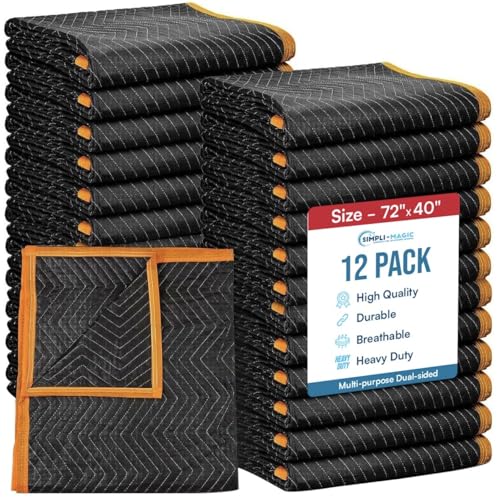
Utilizing protective coverings is equally important. Wrapping each component in bubble wrap or blankets will safeguard against scratches and damage during the move. Be sure to secure everything tightly to prevent movement while in transit.
Strategically placing cargo is essential for balance. Start with heavier items on the bottom to lower the center of gravity, followed by lighter components on top. This arrangement minimizes shifting during transport, ensuring a safe journey.
Lastly, consider utilizing a roof rack or trailer if your vehicle is too limited. This option gives an additional space for accommodating those hard-to-fit items, freeing up interior room while ensuring nothing is left behind.
Preparation Techniques
Begin with measurements of both the item and your vehicle’s interior. This ensures the piece will fit. Use a tape measure to check the dimensions and draw a rough layout of how it could be arranged inside.


Disassembly
If feasible, disassemble the object. Removing legs, cushions, or any detachable sections can greatly enhance the ability to fit the piece snugly.
Padding and Securing
Use blankets, cushions, or bubble wrap to protect surfaces from scratches and impacts. Ensure everything is secured using straps or ropes to prevent any movement during transit.
- Wrap edges and corners to avoid damage.
- Place heavier items on the floor of the trunk first.
- Utilize tight spaces, such as areas around the back seat, for smaller pieces.
Take measurements and plan strategically to maximize the available space. With proper preparation, you can successfully move a bulky item without the need for a larger vehicle.
Measure Your Furniture and Car Interior
I measure all pieces meticulously before attempting to load them. Use a tape measure for accuracy, noting the length, width, and height of each item. For example, a sofa’s width is crucial; if it exceeds the interior width of my vehicle, adjustments are needed.
Next, I gauge the available space within the vehicle. Take similar measurements inside, especially the rear seats and trunk area. By comparing these dimensions, I determine if any rearrangement or disassembly of items is necessary for a proper fit.
Assessing the Angles
Angles play a vital role. I check where items might fit diagonally or slide in at an angle. Sometimes positioning the seatbacks down creates additional lateral space. I also recommend evaluating whether removing legs or backing from a piece could facilitate a more straightforward fit.
Final Checks
An additional round of measurement confirms that all dimensions align. I ensure that there’s enough clearance for safe loading and potential movement during travel. A precise approach minimizes hassles down the road.
Disassemble Pieces to Save Space
Disassembly of items can significantly optimize space usage. Remove legs from tables or detach shelving units. For upholstered seating, check if cushions can be taken off to reduce bulk. Keeping screws and small parts organized is crucial; consider using a labeled bag to avoid misplacing them.
Here’s a breakdown on what to disassemble:
| Item | What to Disassemble |
|---|---|
| Dining Table | Remove legs and tabletop |
| Sofa | Take off cushions and legs |
| Bookshelf | Disassemble shelves and back panel |
| Beds | Separate headboard and footboard |
Carefully follow the manufacturer’s instructions for disassembly to avoid damage. Use the right tools, like a screwdriver or Allen wrench, and ensure everything is handled gently. Once disassembled, load the pieces in a strategic way for maximum space efficiency.
Use Protective Padding and Blankets
I always prioritize using protective padding and blankets to shield items from scratches and dings during movement. Wrapping each piece securely is crucial. I opt for thick moving blankets that provide a good layer of cushioning while being pliable enough to fit around various shapes.
Securing Items
When securing the items, I use packing tape or stretch wrap to hold the blankets in place. This way, when lifting and maneuvering, there’s minimal risk of the padding slipping off. I make sure that all protruding edges or delicate parts are well-covered to avoid any potential damage.
Layering Technique
I also layer additional blankets between individual pieces. This extra cushioning is important, especially if multiple items are being loaded close to each other. It prevents any direct contact that could lead to scratches or other types of damage. Additionally, I find it helpful to use furniture pads for particularly heavy or bulky sections to provide further protection during the transition.
Plan the Loading Order for Stability
I prioritize loading the heaviest items first, placing them on the bottom to create a solid foundation. This strategy helps in maintaining balance and minimizing movement during transportation.
I arrange the larger, bulkier pieces next, positioning them around the heavier objects to fill gaps and prevent sliding. Proper placement ensures that weight is distributed evenly across the vehicle’s interior.
When dealing with lighter items, I carefully place them on top, avoiding any potential crushing of delicate pieces below. I use smaller items to fill voids, keeping everything snug and secure.
As I load each piece, I continuously assess rear visibility. Keeping crucial sightlines clear is key to safe maneuvering.
Final adjustments often involve double-checking stability. I give everything a gentle shake to ensure nothing shifts. Taking time to rearrange as needed guarantees a safe and hassle-free experience.
Secure the Load to Prevent Movement
To ensure stability, I always use high-quality straps or ropes to secure bulky items in the vehicle. These should be tightly fastened to anchor points within the trunk or cabin. If there are no built-in anchors, I improvise by using weighted objects to keep the furniture from shifting during the drive.
Additionally, I recommend utilizing a car’s interior features, such as seatbacks or dashboard surfaces, as further support. If possible, I place smaller items inside larger ones to prevent any unwanted movement.
When applying straps, I avoid over-tightening, which can cause damage. Instead, I opt for a snug fit that holds everything in place without risking breakage of any components. Padding between items also helps absorb shocks and minimizes slippage.
I always take a few minutes after loading to check for any wiggle or instability. Adjusting the load, if necessary, enables a secure fit before setting off. Ensuring that everything is firmly held in place not only protects the items being moved but also enhances safety on the road.
Lastly, I make sure to drive cautiously, avoiding sudden movements that could cause the items to shift unexpectedly. A smooth drive complements the security measures I’ve implemented, resulting in a successful relocation of my possessions.
Consider Alternative Transport Options if Necessary
If I’m unable to accommodate my items in my vehicle, hiring a van service is a practical solution. Many companies specialize in providing vehicles for moving tasks, often at reasonable rates. I can choose between a full-service option, where professionals handle loading and unloading, or a self-drive van rental if I prefer direct control.
Exploring delivery services offered by retailers is worthwhile. Many stores offer affordable delivery for larger pieces, negating the need for heavy lifting on my part. This not only saves time but also ensures that items arrive in pristine condition.
Utilize Ride-Sharing or Delivery Apps
Ride-sharing platforms can serve as a resource too. Some apps allow users to request a ride for themselves and their possessions. It’s essential to ensure that the driver is equipped to handle my items safely. I can also consider delivery apps that cater to moving tasks, providing a straightforward approach to logistics.
Ask Friends or Family for Assistance
Reaching out to friends or family members who own a larger vehicle might prove beneficial. Their support can make the process less stressful, allowing for collaboration and shared experiences. I can coordinate a convenient time and offer to return the favor in the future, creating mutual assistance.
Ultimately, exploring these alternatives ensures that I have multiple options at hand. By being resourceful and open to solutions, I can successfully navigate the challenges of transporting bulky items.