
 Caleb Turner
The first step involves cleaning each piece thoroughly. Utilize a mild soap solution and a soft brush to remove dirt, debris, and any stains. This process not only enhances the appearance but also paves the way for proper preservation.
Subsequently, drying is critical. Ensure all items are completely dry before storing, as moisture can lead to mold and mildew. Utilize towels or let them air dry in a well-ventilated area.
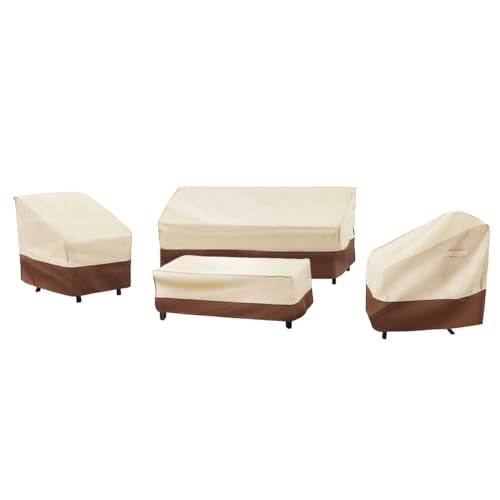
For protection, consider using suitable covers or tarps. Select materials that are waterproof yet breathable to avoid trapping moisture underneath. This simple action can significantly prolong the lifespan of your items.
If it’s feasible, disassembling larger pieces makes storage more manageable. Stacking lighter elements atop sturdier ones minimizes space and maintains stability throughout the colder months.
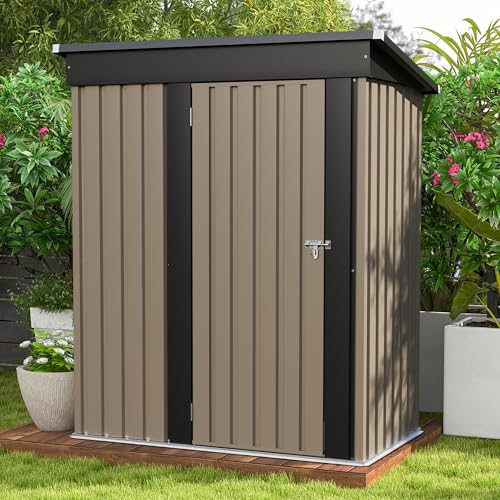
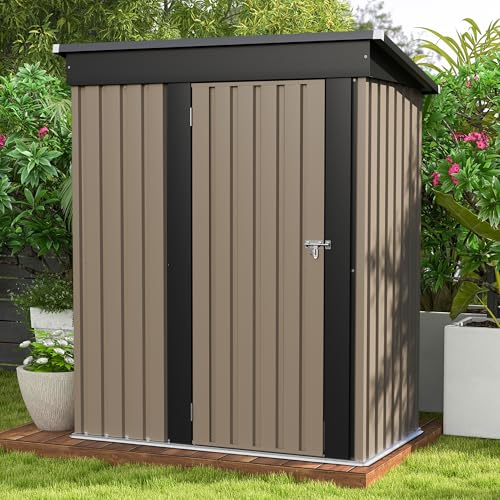
Lastly, a designated storage area should remain dry and sheltered. A shed, garage, or basement can serve as an appropriate space. Ensure that the items are elevated off the ground to prevent water damage from potential flooding or snow accumulation.
Storing Garden Equipment During Cold Months
Cover all pieces with breathable tarps or sturdy plastic sheets to prevent moisture buildup. I’ve found that using custom-fit covers can enhance protection, especially for items with cushions or fabric components.
Elevate benches and tables off the ground with pallets or blocks. It stops moisture from seeping in and reduces the risk of corrosion or rot. I always prioritize a dry, shaded space for this setup.
Remove cushions and other soft items, placing them in airtight containers or bags. This step keeps pests out and avoids mildew issues. Storing these in a cool, dry space is ideal.
For wooden items, a protective sealant applied before storage helps prevent cracking and warping. I make sure to reapply this sealant every season for prolonged durability.
Metal pieces require a thorough cleaning before being tucked away. I scrub away any dirt or rust, then apply a rust-inhibiting spray. Regular maintenance leads to longer-lasting results.
Lastly, ensure proper ventilation in the storage area. I usually leave gaps between stacks to allow air circulation, which keeps belongings in their best condition throughout the colder months.
Choose the Right Storage Location
I prioritize selecting a location that offers protection from elements like moisture and extreme temperatures. A dry garage or basement is often ideal, as it provides ready access and maintains a stable environment.
If indoors isn’t an option, consider outdoor storage sheds with proper ventilation to prevent mold. Ensure the ground is level to avoid water pooling around items. Also, shade from direct sunlight extends the life of materials like wood and fabric.
Proximity to your home matters; I prefer locations that allow easy retrieval and loading, minimizing wear and tear during transport. Evaluate accessibility for larger items, ensuring ample space to maneuver without risking damage.
Clean and Prepare Furniture Before Storing
I recommend thoroughly cleaning each piece before placing it in storage. Start with a soft brush to remove dust and debris.
For wooden items:
- Use mild soap mixed with water to wipe surfaces.
- Rinse with a damp cloth to remove any soap residue.
- Allow it to dry completely to prevent mold and mildew growth.
- Consider applying a protective oil or sealant for added moisture resistance.
For metal constructions:
- Wash with soapy water to eliminate dirt and rust.
- Dry thoroughly to avoid corrosion.
- For extra protection, apply a coat of wax or specialized spray.
Vinyl or plastic materials require less maintenance:
- Simply wipe down with a cloth and mild detergent.
- Inspect for cracks or damage; repair if necessary.
I always check for any loose screws or parts and tighten them to maintain stability. Covering each piece with a protective cover after cleaning helps shield from dust and moisture during storage. If applicable, disassemble larger items to save space and prevent damage. This preparation ensures that everything remains in excellent condition until ready for next season’s use.
Disassemble Furniture When Possible
To maximize space and enhance protection against damage, I always disassemble my items whenever feasible. Most items are designed to be taken apart; check for removable legs, backs, or sections. This approach not only reduces the footprint for storage but also minimizes the risk of wear and tear during the off-season.
It’s advisable to keep all fasteners and small parts together by placing them in labeled bags. This prevents losing any pieces and simplifies reassembly. Additionally, taking things apart allows for a more thorough cleaning before packing, which is vital to prevent mold or mildew growth.
Here’s a quick reference table of common items that benefit from disassembly:
| Item | Disassembly Recommendations |
|---|---|
| Chairs | Remove seat cushions, detach legs if possible. |
| Tables | Take off legs and remove any extensions or leaves. |
| Loungers | Detach or fold adjustable sections for compactness. |
| Umbrellas | Collapse and remove from bases, store in a dry location. |
| Gazebos | Disassemble according to the manual, keep parts organized. |
This strategy makes everything more manageable and significantly extends the life of each piece by keeping them in a safe condition. Following this practice is a smart choice for proactive care.
Use Protective Covers for Added Safety
When I prepare to safeguard my patio items during the colder months, investing in high-quality protective covers is a top priority. These covers provide an additional barrier against moisture, dust, and other environmental factors that can cause damage. I tend to select covers made from breathable materials to prevent condensation build-up, which can lead to mold and mildew.
Before covering, I ensure each piece is completely dry and clean. I find that adjusting the fit of the cover is crucial; tightly secured covers are less likely to be blown away by strong winds. If possible, choosing covers that have ties or straps helps maintain stability.
Additionally, I pay attention to the manufacturing details. UV-resistant materials extend the life of the cover itself, preventing premature degradation from sun exposure. Regularly checking the condition of these protective layers during the season is also beneficial; it allows me to address any issues before they become severe.
Finally, I always label or color-code my covers for easy identification, helping me quickly locate which cover goes with each item. This small step saves me time and hassle when uncovering everything in the spring.
Consider Climate-Specific Storage Solutions
In regions with harsh winters and heavy snowfall, finding a space that’s entirely shielded from the elements is vital. A garage or shed can be ideal, but ensure there’s enough ventilation to prevent mold and mildew. If a basement is an option, this often provides stable temperatures and humidity levels, offering excellent protection.
Mild Climates
For areas with mild winters, an outdoor storage solution like a weather-resistant storage bin may suffice. Be sure to elevate the bin off the ground to avoid water damage. Additionally, employing breathable covers can protect items from dust and debris without trapping moisture.
Humidity Control
In humid regions, utilizing silica gel packets or dehumidifiers in your storage space can help maintain low moisture levels. Using breathable fabrics for covering items ensures that air circulation occurs while protecting surfaces from damage.
Inspect and Maintain Items During Storage
Before placing items into storage, I meticulously examine each piece for damage or wear. I check for rust on metal parts, loose joints and cracks in wooden structures. Any identified issues require immediate attention to prevent further degradation.
For wooden varieties, I apply a quality wood conditioner or sealant to the surfaces. This keeps moisture at bay and prevents cracking. I also ensure that any metal components have been treated with rust inhibitors, especially if they display early signs of corrosion.
Moving on, I inspect cushions and fabrics for mold or mildew. If any spots appear, I clean them thoroughly with appropriate cleaners before they become more problematic. Once dry, I ensure that all textiles are stored in breathable bags to avoid trapped moisture.
I take a moment to lubricate movable parts, such as wheels or hinges, with a silicone spray. This prevents them from seizing up during prolonged inactivity. Lastly, I keep a checklist to document each item’s condition, any repairs made, and steps taken for maintenance. This helps ensure readiness for future use.


