
 Caleb Turner
The first step is to thoroughly clean each item before any long-term storage. Dirt, leaves, and debris can lead to damage if left unchecked. Use warm soapy water and a soft brush for this task. For tougher stains, a mixture of vinegar and water works wonders without harming the material.
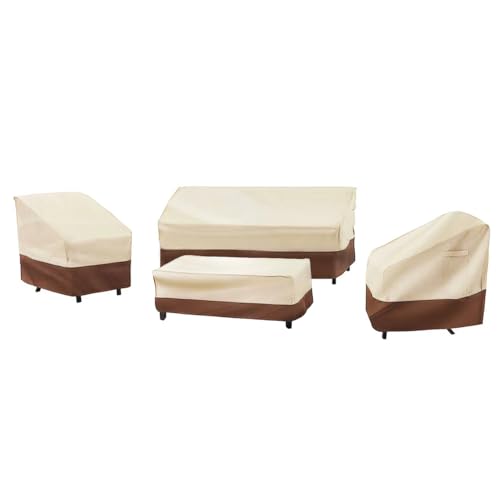
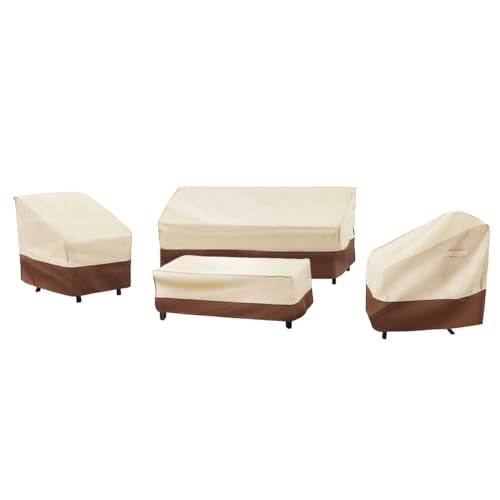
Next, waterproof coverings are a wise investment. Select high-quality tarps or protective fabric that can withstand moisture and prevent mold growth. Ensure that the coverings fit snugly to avoid any wind disturbance.
For items crafted from wood, a suitable sealant follows cleaning. This step prevents cracking and warping, ensuring the longevity of your seating. Metal frames benefit from rust-resistant spray, which creates a barrier against winter humidity.
Lastly, if possible, locate a cool, dry indoor space for your outdoor items. Elevating them off the ground, perhaps with pallets or shelves, helps in avoiding contact with moisture accumulating on the floor.

Choosing the Right Storage Location
Indoor spaces are preferable for safeguarding outdoor items. A basement or garage can shield against moisture and pests. Ensure proper ventilation to mitigate mold risks.
Consider temperature fluctuations; a controlled environment is ideal. Avoid areas prone to extreme temperatures.
Outdoor sheds can be utilized, but I select ones that are insulated and weatherproof for better protection. Reinforce the shed with locks to deter theft.
Evaluate convenience for ease of access. I prefer locations within reach for occasional use during cheery days.
- Avoid direct sunlight exposure to prevent fading.
- Keep items off the ground to prevent moisture absorption; pallets or shelves work well.
- Choose a place away from heavy traffic to avoid damage.
Test the site during milder conditions before transferring. This ensures adaptability to the space.
Cleaning Your Outdoor Seating Before Storage
I always begin with a thorough wash using mild soap and water. For metal structures, a soft sponge prevents scratches while ensuring all dirt and grime is removed. If any rust is visible, I apply a rust-removing solution. Wooden elements require a gentle scrub with a brush, followed by a wood-safe cleaner to preserve the finish.
Special Care for Different Materials
Plastic and resin pieces respond well to a mixture of vinegar and water, which helps eliminate stains and restore their appearance. For cushions, I remove covers and wash them according to the manufacturer’s instructions, usually in cold water to avoid shrinkage. Sun exposure might cause fading, so I treat these with a fabric protector to prolong their vibrant colors.
Final Touches Before Packing
After drying everything completely, I inspect each piece for any needed repairs. Minor scratches on wood can be touched up with a matching stain. I also ensure all screws and fasteners are tight to prevent shifting during transport. Using breathable storage bags for cushions keeps them safe from moisture and dust.
| Material | Cleaning Method | Special Notes |
|---|---|---|
| Metal | Mild soap and water | Apply rust remover if needed |
| Wood | Wood-safe cleaner | Touch up scratches with matching stain |
| Plastic/Resin | Vinegar and water solution | Stain removal and restoration |
| Cushions | Wash according to labels | Use fabric protector post-wash |
Disassembling Furniture for Space Efficiency
Before putting away outdoor seating and tables, I make sure to disassemble them whenever possible. This significantly reduces the required space. Here are steps I follow:
- Check for removable components: Look for parts like legs, tabletops, or armrests that can come off.
- Use the right tools: A simple set of basic tools should suffice, like a wrench or screwdriver, depending on the type of fasteners.
- Keep track of screws and bolts: I place all small parts into labeled bags or containers to avoid confusion during reassembly.
- Opt for stacking: Some pieces can be nested or stacked, allowing more efficient use of vertical space.
- Consider modular options: If applicable, I assemble modular pieces that separate easily for compact storage.
Additionally, I always reference the manufacturer’s instructions if available, as they often provide guidance on taking apart each piece safely. This practice not only saves space but also helps in prolonging the life of the items by avoiding unnecessary wear during storage.
Selecting Appropriate Protective Covers
I recommend investing in high-quality covers made from durable materials, such as heavy-duty polyester or vinyl. These fabrics offer excellent resistance to moisture, UV rays, and potential rips. Look for covers with an inner lining that prevents condensation buildup, which can lead to mold growth.
Ensure that your protective covers are properly sized for your items. An ill-fitting cover can trap water, promoting rust or decay. Consider purchasing covers with adjustable straps or drawstrings to secure them tightly against wind gusts.
Additionally, opt for covers with air vents. These vents will allow air circulation, reducing the risk of humidity-related damage. Inspect the seams and stitching for reinforcement; a robust design will withstand harsh weather conditions.
Color options are often available, and neutral tones blend seamlessly with outdoor spaces while darker shades may hide dirt better. Regularly check for wear or damage to ensure continued protection over time.
Preventing Moisture Damage in Storage
I recommend placing desiccants, such as silica gel packs, within containers to absorb excess humidity during the cold months. These small packets can significantly reduce moisture levels and prevent rust and mildew formation.
It’s crucial to ensure proper airflow around items by keeping them elevated off the floor. Use pallets or plastic sheeting to create space between surfaces and the ground. Stagnant air can lead to condensation, so maintaining circulation is key.
Before placing everything away, inspect for any existing damage. Fixing cracks or crevices will help prevent moisture from seeping in. Address any areas that may have retained water, as these can become breeding grounds for mold.
During the storage period, regularly check on the conditions to monitor humidity levels. If any signs of dampness or condensation appear, consider using a dehumidifier to control excess moisture.
Wrapping items in breathable materials rather than plastic can also be beneficial. This allows any moisture trapped inside to escape while protecting surfaces from dust and dirt.
Keeping Pests Away from Stored Items
To deter insects and rodents, consider using airtight containers for items that can be placed inside them. Items vulnerable to pest damage should be kept in these sealed boxes. Pay attention to the materials, as plastic usually works better than cardboard, which can harbor pests.
Natural Repellents
Utilize natural deterrents like cedar chips or lavender sachets. These substances can help mask scents that attract rodents and certain insects. Placing them in storage areas can significantly enhance protection against unwanted visitors.
Regular Inspections
Frequent checks during the storage period help catch any pest activity early. Look for signs such as droppings or nests. If any activity is detected, take immediate action to address it to prevent further infestation.
Checking and Maintaining Furniture During Storage
I regularly inspect each piece while it’s in storage to avoid unexpected issues. First, I check for any signs of damage such as scratches or cracks. If I spot any, I address those immediately, ensuring that wood is treated with appropriate varnish or sealant, and metal is polished to protect against rust.
Regular Cleaning
I make it a point to clean any dust or debris that may have settled during the storage period. A simple wipe with a damp cloth helps maintain appearance and prevents buildup. For materials that require specialized care, I always refer to the manufacturer’s instructions for proper cleaning solutions.
Inspecting Protective Covers
I routinely check protective covers for tears or wear. Ensuring that these covers remain intact is key to safeguarding my items. If I notice any damage, I replace them promptly to maintain adequate protection against moisture and pests.
Lastly, I keep a checklist of items, noting their condition upon each inspection. This practice helps me stay organized and aware of what needs attention, ensuring everything is in pristine condition when it’s time to bring them back out.


