
 Caleb Turner

Begin with durable fabric, specifically designed for moisture resistance and UV stability. Textiles such as solution-dyed acrylic or polyester are excellent choices, as they withstand the elements while retaining color and texture. Measure the dimensions of your seating area accurately to ensure a snug fit that enhances comfort and aesthetics.
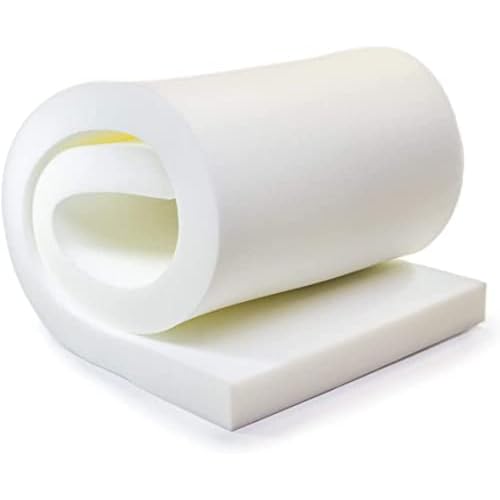
Cut the chosen material into two equal pieces, each tailored to your desired size. Incorporate an additional inch around the perimeter for seam allowances. For a plush finish, select a high-density foam insert that complements the thickness of your fabric, providing both support and relaxation.
When assembling the pieces, a straightforward approach is to pin them together with the patterned sides facing inward. Use a heavy-duty thread to stitch along the edges, ensuring your work holds up against wear and tear. Leave a small opening for inserting the foam, then carefully turn the fabric right side out.


Finish with a delicate stitch to close the opening neatly. Adding decorative touches like piping or contrasting buttons can elevate the overall appearance, making each piece not just functional but also a stylish addition to your outdoor space.
Crafting Plush Seat Covers
Select high-quality outdoor fabric resistant to fading and moisture. Look for materials labeled as UV-protected and water-repellent to ensure durability.
Measure the seating area accurately to determine the right dimensions. Use a tape measure and jot down the width, depth, and thickness for precision.
Cut two identical pieces from the fabric according to your measurements, including extra material for seam allowances. Consider adding a few extra inches around the edges for a comfortable fit.
For the filling, opt for foam padding with a density suitable for outdoor use. This will provide adequate support and comfort, preventing quick flattening.
Stitch the fabric pieces together, keeping the filling in mind. Create a pocket for the foam to sit snugly, ensuring that it won’t shift during use.
Sew on a zipper or buttons to make the covers removable for easy cleaning. This step can save time during maintenance, especially in outdoor settings.
After sewing, test the fit on the seating to make necessary adjustments. This step ensures a custom look and feel, enhancing the overall appearance of the area.
Finally, treat the finished product with a fabric protector to increase resistance against stains and moisture. Regular cleaning according to the fabric type will extend the lifespan of the completed project.
Choosing the Right Outdoor Fabric for Cushion Covers
Selecting the ideal textile for your padding wraps is critical for durability and aesthetics. Look for materials specifically designed to withstand sun damage, moisture, and mildew. Some excellent options include:
- Acrylic: This synthetic fiber offers fade resistance and durability, making it a popular choice.
- Polyester: Often treated with coatings for water resistance and UV protection, polyester is another excellent option.
- Solution-Dyed Fabrics: These fabrics are dyed during the manufacturing process, resulting in vibrant colors that resist fading over time.
Factors to Consider
- UV Resistance: Fabrics should have a high UPF (Ultraviolet Protection Factor) rating to prevent fading.
- Water Resistance: Look for materials that repel water or have a waterproof backing.
- Mold and Mildew Resistance: Anti-microbial treatments can help prolong the life of the material.
Testing samples in various conditions can help determine which fabric offers the best performance for your needs. Pay attention to maintenance requirements, as some textiles require special cleaning methods to ensure longevity.
Measuring and Cutting Foam for Optimal Comfort
To achieve the best fit, I carefully measure the seating area where the padding will reside. I take multiple measurements in both length and width to account for any irregularities. Accurate dimensions ensure that the foam will provide the necessary support without gaps.
After obtaining the measurements, I select the foam density appropriate for my needs. Higher-density foam offers better support and lasts longer, while lower-density foam may feel softer but compresses more quickly. I often aim for a medium to high density, balancing comfort with durability.
When cutting the foam, I utilize a sharp utility knife or electric knife for clean edges. I lay the foam flat on a stable surface and score the dimensions before applying pressure to cut through; this technique minimizes fraying. I always double-check my lines to ensure precision.
If multiple pieces are required, keeping them uniform in size is crucial. I stack and secure them together before cutting to maintain consistency. Additionally, I label each foam section based on its intended location to avoid confusion during assembly.
Consideration of the thickness is important as well. A thickness of 3 to 5 inches typically suits most applications, offering sufficient cushioning without compromising support. After cutting, I test the pieces to confirm they fit snugly in their respective enclosures.
I also find it helpful to contour the corners or edges if the design calls for it. Using a serrated knife, I carefully round off sharp corners, which enhances comfort and creates a polished appearance.
Creating Patterns for Custom Cushion Shapes
To achieve the desired shape and fit, I use paper or muslin to draft my patterns. Start directly on a flat surface, laying out the foam piece or existing cushion as a template. Carefully trace around it, adding an extra inch for seams, ensuring that the final product accommodates any curves.
Marking the Design
I outline design details like corners and edges. Utilize a fabric marker or chalk to create clear lines that define the shape. If the cushions require button details or tufting, I incorporate those into my pattern at this stage to ensure precise placement later on.
Cutting and Finalizing Patterns
After marking, I cut the paper or muslin pattern. I then place this cut-out on fabric to visualize how the finished piece will look. This also allows me to adjust before making permanent cuts. Once satisfied with the layout, I pin the pattern to the fabric, always checking that the grain line aligns with the fabric’s direction, optimizing the overall appearance.
This method ensures a tailored fit, enhancing aesthetic appeal while providing necessary comfort for leisure seating.
Sewing Techniques for Durable Cushion Covers
Choose a reinforced stitching method, such as a triple stitch or zig-zag technique, to ensure seams remain intact even under stress. This enhances durability, especially in high-traffic areas.
Fabric Selection and Construction
Utilize a polyester or acrylic blend. These materials resist fading and moisture, making them ideal for exterior applications. Pair them with an anti-microbial treatment to prolong lifespan. Additionally, consider a water-repellent finish to safeguard against the elements.
Seam Types to Implement
Opt for French seams for a clean finish. These create a polished look while preventing fabric edges from fraying. Alternatively, use flat-felled seams for added strength, especially in corners where wear is prevalent.
| Technique | Description | Advantages |
|---|---|---|
| Triple Stitch | Three parallel rows of stitching | Exceptional strength and durability |
| French Seam | Encased seam for a neat edge | Prevents fraying and adds elegance |
| Flat-Felled Seam | Two fabric pieces sewn together, with one edge folded over the other | Ultimate strength for high-stress areas |
Incorporating piping can also elevate aesthetics while reinforcing edges. This provides a professional finish, ensuring both style and function. Finally, secure closures with heavy-duty zippers or Velcro to facilitate easy maintenance and cleaning.
Adding Zippers or Closures for Easy Maintenance
Incorporating zippers or alternative closures significantly enhances the practicality of each piece. First, select a durable zipper, preferably a heavy-duty marine-grade option, designed to withstand harsh conditions. This choice ensures longevity and ease of use.
For installation, align the zipper flat against the fabric edges, ensuring a snug fit. Use a zipper foot attachment for your sewing machine, enabling precise stitching close to the zipper teeth. This technique results in a clean finish and allows for smooth operation.
An additional suggestion is to opt for Velcro instead of traditional zippers for faster access. Sew strips of Velcro along the edges of the fabric, ensuring proper alignment. This method simplifies attachment and detachment while providing a robust hold during use.
Remember to reinforce areas around the zipper or closure, as these spots can experience extra stress. Double-stitch or use a reinforced seam to bolster durability and prevent any potential fraying.
Lastly, plan for easy removal of the inserts. Making fabric covers with closures allows effortless cleaning and upkeep, ensuring that every piece remains fresh and inviting. Select a well-matched thread color for stitching to maintain aesthetic appeal while keeping functionality in mind.
Finishing Touches: Decorating Your Cushions
Adding decorative elements transforms simple seats into inviting spots. Here are effective ways to enhance appeal and comfort.
Layering Textures
- Mix fabrics like canvas, burlap, or textured weaves for depth.
- Incorporate different materials like faux fur or velvet as accents.
- Consider using contrasting cushions alongside patterned ones to create visual interest.
Personalized Accents
- Embroider initials or quotes for a unique touch.
- Utilize fabric paint or markers to create custom designs.
- Add ties or buttons for stylish functionality, enhancing both looks and utility.
Incorporating these ideas not only elevates aesthetics but also ensures comfort remains paramount. Don’t hesitate to experiment with colors and patterns that reflect your personal style.


