Caleb Turner

Investing in durable outdoor seating and accessories deserves protective measures. One effective approach involves anchoring items using heavy-duty furniture locks. These locks can secure individual pieces to fixed structures such as railings or walls, ensuring that they remain untouched.
Another practical tip is to create a designated storage space in a shed or garage. Once the day is over or during adverse weather, storing these items inside prevents potential issues. Choose bins or containers specifically designed for outdoor items, as they offer additional protection against the elements.


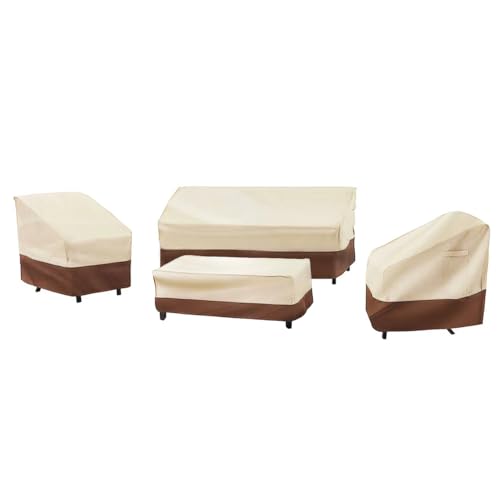
Utilizing furniture covers tailored for your specific pieces serves as another line of defense. Opt for high-quality, weather-resistant materials that are durable yet breathable, which helps prevent moisture buildup. Regularly checking and maintaining these covers keeps them in optimal condition, adding longevity to their protective capabilities.
Lastly, consider joining a neighborhood watch program or communicating with nearby residents about any suspicious activity. Building a community network fosters a sense of vigilance and can significantly deter unauthorized individuals from approaching your property.
Securing Outdoor Assets Against Theft
Utilizing heavy-duty tie-down straps effectively connects items to fixed structures like decks or fences, providing a reliable anchor point. This strategy prevents quick removal and makes it less appealing for opportunistic thieves.
Investing in a durable storage cart allows for easy transportation and stowing of chairs and tables after use, minimizing their exposure to potential theft. Opt for weather-resistant materials to ensure longevity even in diverse climates.
Incorporate an alarm system designed for outdoor use, which can deter criminals. These systems often emit loud sounds upon movement, attracting attention and potentially scaring away intruders.
Consider installing surveillance cameras in your outdoor space. They can serve as a visual deterrent, and having recorded footage might aid in recovering stolen items if a theft occurs.
Using a combination of innovative locks tailored for outdoor items can enhance security. High-quality padlocks or specialized locking systems discourage unauthorized access and complicate theft attempts.
Assess Your Outdoor Space for Security Risks
I recommend evaluating the area where you have your outdoor seating and decorations. Identify potential weaknesses that could allow for unauthorized access or opportunistic theft.
- Visibility: Ensure that your area is visible from your home or street. Installing adequate lighting can deter thieves. Motion-sensor lights are particularly effective.
- Landscaping: Trim any overgrown bushes or trees that could provide cover for someone attempting to steal items. Maintain clear lines of sight to your outdoor space.
- Barriers: Consider installing fences or gates that restrict access. A solid gate provides an extra layer of protection against uninvited individuals.
- Proximity to Entry Points: Analyze how close your outdoor items are to windows and doors. Items near entry points are at greater risk. Position belongings further away from easy access points.
- Neighborhood Watch: Connect with neighbors. A vigilant community can help monitor suspicious activities in the area and act quickly if they observe something unusual.
- Storage Options: Identify secure storage solutions for valuables. If feasible, store items in a locked garage or shed when not in use.
By thoroughly examining these aspects, I can significantly enhance the safety of my outdoor belongings and reduce the likelihood of loss or damage.
Choose Locking Mechanisms for Furniture
Invest in high-quality locking devices for your outdoor items. Padlocks and chains remain a popular choice for securing chairs and tables. I recommend selecting weather-resistant padlocks to prevent rust and ensure longevity.
Consider using lockable furniture devices, such as brackets that allow you to fix items together or to a fixed point, such as a railing or post. Many patio sets come with built-in locking features that can be key-operated or combination-based.
| Type of Locking Mechanism | Advantages | Disadvantages |
|---|---|---|
| Padlocks | Portable, versatile, various sizes | Can be cut with tools if not heavy-duty |
| Chain Locks | Strong security, customizable length | Heavy and may be cumbersome to transport |
| Built-in Locks | Integrated into the design, no extra tools needed | May be less secure than external locks |
| Locking Brackets | Secures multiple items together, durable | Requires installation, may not be suitable for all items |
Regularly inspect your locks for signs of wear or damage. Replacing weak locks can significantly enhance safety. Lastly, using a combination of different locking methods increases overall protection for your items.
Utilize Anchor Points for Securing Furniture
Concrete or heavy-duty anchor points provide a robust foundation for protecting your outdoor items. I recommend installing fixed anchors in concrete slabs, brick walls, or solid structures. Use high-quality materials rated for outdoor use to ensure durability against the elements.
Choosing the Right Anchors
Opt for anchors like eye bolts or D-rings that can handle considerable tension. Ensure they are fastened securely and flush to prevent easy removal. Consider stainless steel options for corrosion resistance, prolonging their lifespan.
Effective Restraint Methods
A durable chain or cable, ideally with a protective coating to prevent scratching, can connect your items to these anchors. Using a locking mechanism, like a padlock or a combination lock, adds another layer of protection. Regularly inspect cables and locks for signs of wear and replace them as needed to maintain security.
Invest in Security Cables and Locks
I recommend using heavy-duty security cables and padlocks as a primary method of protecting your outdoor items. Opt for cables made from hardened steel, as they offer superior cut resistance. Look for lengths between 10 to 15 feet to provide flexibility in securing multiple pieces.
Choosing the Right Cable
Select cables that have a thickness of at least 10mm to ensure durability. Some cables come with protective coatings that prevent scratching and enhance visibility. Utilizing a combination of locking mechanisms, such as a combination lock or keyed lock within the cable system, adds another layer of protection.
Installation Tips
Run the cable through large or heavy components of your setup, securing it to immovable objects like posts or railings. For added security, consider using multiple cables to tie down various items. This complicates potential attempts at theft, as taking all items at once becomes significantly more challenging.
Regularly inspect all cables and locks for wear or damage, replacing them as needed to maintain security integrity. Ensuring everything is in optimal condition will help deter potential thieves and prolong the lifespan of your protection equipment.
Consider Weather-Resistant Storage Options
Investing in weather-resistant storage solutions is a practical approach to shielding your outdoor items from potential theft while ensuring they remain in good condition. Opt for sturdy storage boxes made from materials like resin or high-density polyethylene, which provide protection against the elements and deter unauthorized access.
Types of Storage Solutions
| Type | Features | Benefits |
|---|---|---|
| Deck Boxes | Waterproof, lockable options available | Offers ample space and can double as seating |
| Sheds | Built from durable materials, secure doors | Ideal for larger collections, enhanced security |
| Storage Benches | Combines seating with hidden storage | Space-efficient and practical for small areas |
Choose options with a locking mechanism to fortify your storage and ensure valuable items are hidden from view. Additionally, elevate items off the ground within the storage to prevent moisture damage.
Employ Motion-Sensor Security Cameras
Integrating motion-sensor cameras into your outdoor environment strengthens surveillance capabilities. These devices can detect movement and alert you promptly, allowing for immediate response.
Consider the following points when installing these cameras:
- Placement: Situate cameras to cover entry points, ensuring they capture all angles where valuable items are located.
- Visibility: Position cameras in plain sight to deter potential intruders. A visible camera can often dissuade theft before it starts.
- Connectivity: Select cameras that connect to a home network, enabling real-time alerts and video access from mobile devices.
- Night Vision: Opt for models equipped with infrared night vision for 24/7 monitoring, ensuring activity is recorded regardless of lighting conditions.
- Audio Features: Some devices come with two-way audio, allowing you to communicate with intruders, potentially scaring them away.
- Data Storage: Choose systems that offer cloud storage options for easy access and long-term video retention in case of incidents.
Regularly monitor camera feeds and maintain your devices to ensure optimal performance. The increased awareness and evidence provided by motion-sensor cameras contribute significantly to maintaining a secure outdoor space.
Implement Regular Maintenance and Inventory Checks
Conduct inventory checks every few months to verify all items are accounted for. Document each piece, noting its condition and location.
Create a maintenance schedule that includes:
- Cleaning and inspecting items for damage.
- Checking locks and securing mechanisms for wear.
- Reviewing the integrity of any anchor points.
Maintain a photographic record of each item to assist in tracking. This helps in identifying any discrepancies promptly.
For added vigilance, consider involving neighbors or community members. A shared responsibility can lead to increased awareness of suspicious activities in the vicinity.
Record Keeping
Utilize digital tools or apps to log your inventory. Include details such as purchase date, price, and any relevant warranty information.
Regularly review and update this inventory to reflect any changes, such as new acquisitions or disposals.
Condition Assessment
Assess items thoroughly before storing them. Address any repairs immediately to prevent deterioration that could lead to loss.
This proactive approach not only prolongs the lifespan of your possessions but helps deter potential criminals aware of well-maintained items being less likely to be abandoned or overlooked.
Educate Neighbors about Community Vigilance
Engage with neighbors to establish a collective watch over our possessions. Forming a neighborhood watch group can enhance security awareness significantly. Schedule regular meetings to discuss observed activities, share tips, and encourage everyone to report suspicious behavior. Create a communication channel, like a group chat, to promptly inform each other of concerns. This shared responsibility can deter potential criminals, making them think twice before targeting our area.
Encourage Active Participation
Invite neighbors to join in monitoring outdoor spaces, especially during holidays or events when theft may surge. Suggest rotating watch duties, so everyone takes turns keeping an eye on each other’s property. Use social media groups or community boards to post updates or alerts about local incidents, fostering a spirit of collaboration and vigilance.
Build Trust Among Residents
Cultivating relationships with neighbors helps to create a supportive environment. Host gatherings, barbeques, or casual meet-ups to strengthen communication and understanding. When trust is established, neighbors feel more comfortable sharing concerns or reporting unusual activities. Encourage everyone to look out for each other’s belongings; collective vigilance is a powerful deterrent against crime.
FAQ:
What are the most effective ways to secure patio furniture from theft?
There are several approaches to secure patio furniture from theft. One common method is to use furniture anchors, which can be attached to fixed structures such as walls or fences. Chains and locks can also provide an extra layer of security by connecting furniture pieces together or to a permanent fixture. Additionally, using covers can deter theft by making the furniture less visible and less appealing. Investing in furniture made from heavier materials can also discourage thieves, as they are more difficult to move.
How can I choose the right lock for my patio furniture?
When selecting a lock for patio furniture, consider the type of materials your furniture is made from and how they can be secured. Look for locks that are weather-resistant and made from durable materials like stainless steel to prevent rust. A combination lock or a keyed lock can both be effective; however, combination locks are generally easier for daily use. Make sure the lock’s shackle is thick enough to resist cutting or picking. It’s also beneficial to choose a lock that is specifically designed for outdoor use to enhance longevity and security.
Should I bring my patio furniture inside during the winter months for security?
Yes, bringing your patio furniture indoors during the winter months can significantly enhance security. Storing the furniture inside not only reduces the risk of theft but also protects it from harsh weather conditions that can cause damage. If indoor storage is not an option, consider using a secured shed or garage. If these options are unavailable, investing in high-quality covers can help provide protection against both theft and the elements until warmer weather returns.
Are there specific types of patio furniture that are less likely to be stolen?
Generally, heavier and bulkier pieces of patio furniture are less likely to be stolen due to their weight and difficulty in transporting. Materials like wrought iron, stone, or high-quality wood can deter theft because of their significant weight. Additionally, opting for unique designs or customized furniture can make pieces less attractive to thieves who typically seek out items that are easy to resell. Understanding your neighborhood’s crime patterns can also help in choosing the right furniture; items that blend in with the surroundings may attract less attention.
What should I do if my patio furniture gets stolen?
If your patio furniture is stolen, the first step is to report it to local law enforcement to document the theft. Provide as much detail as possible, including descriptions, photographs, and serial numbers if available. This information may aid in recovery efforts. Additionally, check local online marketplaces or pawn shops for your stolen items, as thieves often try to sell stolen property quickly. Inform your neighbors about the theft so they can keep an eye out for suspicious activity in the area. Lastly, consider enhancing your security measures to prevent future incidents.