
 Caleb Turner
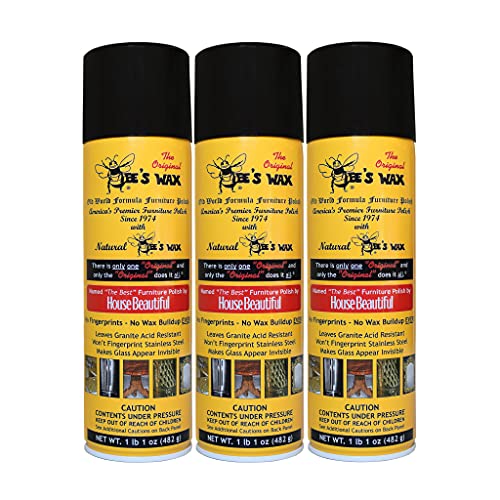
To effectively restore your beloved pieces, I recommend starting with a mixture of beeswax and mineral oil. This combination not only nourishes the timber but also fills in minor imperfections. Apply the paste with a soft cloth, rubbing it into the affected area, and buff it until the finish shines.
If the damage is more pronounced, try using a furniture marker close to the original hue. Lightly dab it onto the area, blending it carefully to match the surrounding finish. Once satisfied, seal the area with a coat of clear lacquer for added protection and durability.
For a more natural approach, a blend of vinegar and olive oil can work wonders. Mix equal parts, apply it with a cloth, and watch as the mixture revitalizes the area. This method not only hides blemishes but also enhances the overall appearance.
I often find that using a fine-grade sandpaper can also help in achieving a smoother surface. Gently sand the affected spot, being cautious not to disturb the surrounding finish. Following this, polishing with a dedicated wood polish can restore its former glory.
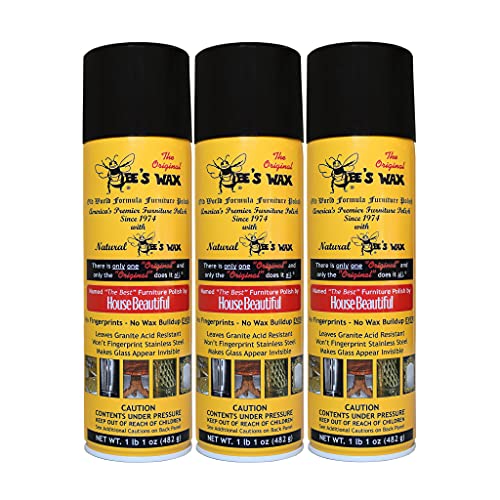


Repairing Deep Marks in Wooden Surfaces
Begin by assessing the extent of the indentation. For moderate damage, I often use a damp cloth. Placing it over the affected area and applying heat with an iron can help the wood fibers swell and restore some texture.
If that doesn’t completely conceal the mark, I opt for a wood filler or putty that matches the color of the grain. Applying it with a putty knife, I ensure the mixture fills the void adequately. After it dries, sanding the area lightly smooths out any excess.
Staining the filled area can help blend it into the surrounding surface. I choose a gel or liquid stain that aligns with the tone of the original finish. A small brush allows precise application, ensuring I avoid the non-affected areas.
To finish, applying a clear topcoat locks in the color and provides protection. I prefer a polyurethane finish, which offers durability and complements the natural luster of the material.
Regular maintenance using appropriate oils or waxes helps prevent future issues. Keeping the surface clean and hydrated extends the life of the finish.
Assessing the Damage: Identifying Scratch Depth and Severity
Begin by closely examining the affected area under good lighting. Use your fingertip to feel the texture of the mark. If the surface is smooth and the scratch is only a surface blemish, minor touch-ups could suffice. However, if you feel a noticeable dip, this indicates a more significant issue requiring different treatment approaches.
Tools for Evaluation
Gather the following tools for accurate assessment:
- Magnifying glass
- Measuring ruler or caliper
- Light source (like a flashlight)
Grading the Damage
| Severity Level | Description | Treatment Needed |
|---|---|---|
| Light | Surface only, no material loss | Polish or wax |
| Moderate | Visible groove but no structural damage | Filler or stain |
| Severe | Deep incision exposing the inner layer | Replacement or extensive repair |
Document findings and take photographs for reference. Knowing the extent of the harm prepares you for the best course of action moving forward.
Gathering Necessary Tools and Materials for Repair
Collecting the right instruments is fundamental for a successful restoration. Here’s a list of what I recommend:
- Fine-grit sandpaper: Choose grit between 220 and 400 for smoothening the area without causing further damage.
- Wood filler: Depending on the color of the original surface, select a suitable filler to blend seamlessly.
- Putty knife: This will assist in applying the filler evenly into the affected area.
- Wood stain or touch-up markers: Choose a shade that matches your piece; a touch-up marker can help with minor blemishes.
- Clear coat or finish: A protective layer will help seal your work and restore the original lustre.
- Cloth or sponge: Use these for cleaning the area before starting any work to ensure a dust-free surface.
- Painting brush: A small brush is ideal for applying stain and finish with precision.
- Vacuum or soft brush: Essential for removing any dust particles after sanding.
Ensure that all tools are within reach before diving into the task. This preparation can significantly enhance the outcome of the project.
Cleaning the Affected Area: Preparing the Surface
I remove any dust or debris from the area using a soft, lint-free cloth. This step ensures that no particles interfere with the subsequent processes. Next, I dampen the cloth slightly with water or a mild soap solution, carefully wiping the surface to lift any ingrained dirt. After cleaning, I dry the area thoroughly to prevent moisture from damaging the material.
If the blemish is particularly stubborn, a specialized cleaner made for the specific finish can be used to restore the surface integrity. I apply the cleaner sparingly, following the manufacturer’s instructions, to avoid any adverse effects on the surrounding finish. After application, I again wipe with a dry cloth, ensuring the area is spotless.
I pay attention to the grain during cleaning, ensuring that I work in the same direction to maintain the natural look of the surface. Once everything is clean and dry, I can confidently move on to the next steps to improve the appearance of the damaged section.
Choosing the Right Wood Filler for Deep Scratches
Select a high-quality wood filler that matches the hue and grain of your surface. Look for products labeled as stainable or paintable, ensuring they can blend seamlessly after application. Read labels carefully to determine drying time, as quick-drying options can facilitate a faster workflow.
Types of Wood Fillers
Consider options like epoxy fillers for substantial damage, as they provide strong adhesion and durability. For minor blemishes, latex-based fillers are easier to work with and can be sanded down quickly. If your piece has a fine grain, opt for a product that allows for precision, like a putty knife or applicator for smooth application.
Application Technique
Before applying, ensure the surfaces are clean and free from debris. Use a putty knife to apply filler directly into the groove, pressing firmly to fill the area completely. Scrape away any excess, and allow it to cure according to the manufacturer’s recommendations. After curing, sand gently until the surface is smooth and flush with the surrounding area.
Applying Wood Filler: Step-by-Step Instructions
Before getting to work, ensure the space is well-ventilated. Mix the filler according to the manufacturer’s instructions if it’s a two-part product. Scoop a small amount of the filler onto a putty knife. Aim to slightly overfill the damaged area, allowing for shrinkage during drying.
Step 1: Filling the Damaged Area
Press the filler firmly into the void using the putty knife. Make sure to eliminate any air bubbles by working the filler into the scratch. Smooth it out with the knife, leveling it with the surrounding surface.
Step 2: Drying and Sanding
Allow the filler to dry completely, which typically takes several hours. Check the product’s instructions for exact drying times. Once dry, lightly sand the area with fine-grit sandpaper until it’s flush with the surrounding surface. Be careful not to oversand, as this may create additional imperfections.
After sanding, clean the area with a damp cloth to remove dust. This prepares the surface for finishing, ensuring a uniform appearance with the rest of the piece.
If necessary, apply a second layer of filler for larger gaps. Repeat the drying and sanding process until the repair meets your satisfaction.
Finish by applying a matching stain or paint if applicable, followed by a protective topcoat to seal the area. This helps blend the repair into the overall finish.
Allowing Time for Drying: Best Practices
After applying filler or any finishing product to the damaged area, I always allow ample time for drying. This step is crucial for achieving a seamless result. Typically, I wait at least 24 hours before proceeding to any sanding or additional work. Temperature and humidity can significantly affect drying times, so I prefer to work in a well-ventilated space with moderate conditions.
Monitoring Drying Conditions
During the drying phase, I keep an eye on the surrounding environment. If it’s particularly humid, I may extend the drying time to ensure a thorough set. Occasionally, I use a fan to circulate air, but I avoid direct airflow on the repair site to prevent uneven drying.
Testing Before Sanding
Before I sand the area, I conduct a simple test. By lightly pressing my finger against the filler, I check for any tackiness. If it feels sticky, I give it more time. This patience pays off, as a fully cured surface is essential for a smooth finish. Rushing may lead to imperfections that require additional touch-ups later.
Sanding the Repaired Area for a Smooth Finish
I ensure that the filler is completely dry before starting the sanding process. Using fine-grit sandpaper, usually around 220 grit, I lightly sand the repaired section. I maintain a gentle touch to prevent removing too much material around the filled area.
In a back-and-forth motion, I sand evenly, blending the edges of the patch with the surrounding surface. This technique helps in achieving a seamless look. Periodically, I check my progress by running my fingers over the area to feel for bumps or unevenness.
Final Touches
After attaining a smooth surface, I switch to even finer sandpaper, such as 320 grit, for the final sanding phase. This step enhances the finish and prepares it for staining or sealing. I dust off the area with a clean cloth to remove all dust particles, ensuring a clean work environment for the next application.
Polishing the Area
If the finish requires extra smoothness, I might use a polishing compound or a finish product specifically designed for enhancement. Lightly buffing this will give a polished result that blends harmoniously with the rest of the surface. I follow the product instructions for optimal results.
Selecting the Appropriate Stain or Finish for Color Matching
I recommend choosing a stain or finish that closely resembles the original hue of the surface. Start by gathering samples of various products, focusing on water-based stains for ease of use and quick drying times. Test these on a small, inconspicuous area to assess compatibility with the surrounding finish.
Pay attention to the wood species. Different woods absorb stains uniquely, and factors like grain pattern can influence the final look. If restoring a piece made of oak, select a stain specifically formulated for it, such as an oak-specific blend, to achieve a nuanced appearance.
For a multi-tonal effect, consider mixing stains. Combine lighter and darker shades to harmonize with the existing aesthetic. This approach can create depth while ensuring the repair area seamlessly integrates with the rest of the piece.
Once a suitable shade is selected, confirm the finish type–gloss, satin, or matte. The sheen significantly affects color perception; a gloss finish typically appears darker, while matte surfaces offer a more subdued tone. Choose a final finish that matches the surrounding area, applying several thin layers for evenness.
Apply the chosen product carefully, feathering the edges where the new color meets the original. This technique helps blend the area, minimizing visibility. Allow ample drying time between coats to enhance adhesion and durability, ensuring a professional-looking result.
Final Touches: Buffing and Polishing the Repaired Surface
Once the filler has set and the area has been smoothed, the next step involves enhancing the appearance of the mended section. Begin by using a soft, lint-free cloth to remove any dust or debris from the surface.
Buffing the Area
For an even finish, I recommend the following steps:
- Use a fine-grit sanding pad (320-grit) to gently buff the repaired area. This will blend the edges of the filler with the surrounding finish.
- Apply a small amount of furniture polish or a specialized wood conditioner to the cloth. Avoid over-saturating.
- Using circular motions, buff the surface to a shine. This not only enhances the gloss but also helps in blending the hue of the repair with the original surface.
Final Polishing
For a professional-looking finish, consider these additional tips:
- Allow the polish to sit for a minute or two, then use a clean section of the cloth to polish the area further.
- If necessary, apply a second coat of polish, especially for highly reflective finishes. Allow it to dry before buffing again.
- Inspect the surface under different lighting conditions to ensure the repair is seamless.
Finishing touches not only restore the aesthetics of the piece but also protect the surface, prolonging its lifespan and maintaining its beauty.


