
 Caleb Turner

Rubber gloves are an excellent tool for tackling pet hair on various surfaces. By simply dampening the gloves and running your hands over the fabric, you can gather the unwanted strands effortlessly. The static created by the rubber helps attract the hair, making the process quick and efficient.
Another practical method involves using a lint roller. With adhesive sheets, it’s straightforward to press down and lift off hair from your couches and chairs. Keeping a lint roller handy ensures that tidying up becomes a simple routine, minimizing buildup over time.
Microfiber cloths are also effective. Slightly dampened, these cloths can trap hair without letting it scatter, making them ideal for routine clean-ups. I recommend keeping a few in different areas of your home for easy access after playtime or snuggling.
Investing in a vacuum cleaner with a pet hair attachment can significantly ease the task. These specialized tools are designed to pick up hair more efficiently than regular vacuums. Regular vacuuming not only helps keep your living space tidy but can also reduce allergens from dander.
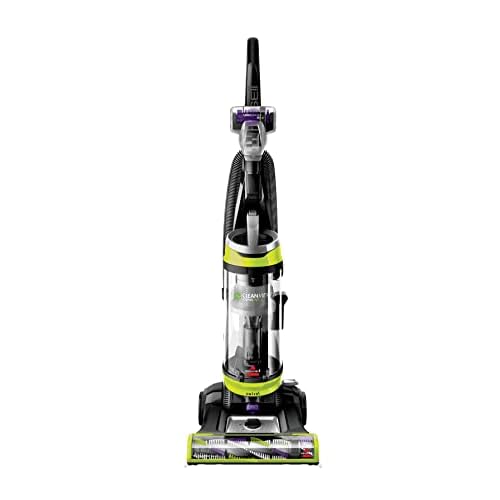


Techniques for Clearing Pet Hair from Upholstery
Rubber gloves are a simple yet powerful tool in tackling lingering fibers. Dampen your hands slightly and glide them across the surface, creating static that attracts hair. This method is particularly effective on sofas and chairs.
Use a lint roller for quick fixes. The sticky sheets pick up hair with ease and are handy for spot cleaning when you’re short on time.
Tools to Enhance Your Cleaning Routine
A vacuum cleaner equipped with a brush attachment excels at lifting embedded strands. Ensure to run it over all areas, focusing on seams and cushions where hair accumulates.
Microfiber cloths work wonders as well. Lightly dampen one and wipe surfaces, trapping debris and hair. This is an excellent choice for delicate fabrics that may be damaged by more abrasive techniques.
Choosing the Right Tools for Fur Removal
Investing in specific tools drastically enhances the process of keeping surfaces clear of pet hair. Here’s a list of must-have items:
- Lint rollers: A handheld device with adhesive sheets, perfect for quick clean-ups.
- Rubber gloves: Wearing these while rubbing surfaces helps to gather hairs effectively due to static electricity.
- Vacuum cleaners: Select a model designed for pet hair with strong suction and specialized attachments.
- microfiber cloths: These attract and trap strands, making them ideal for dusting surfaces.
- Fur brushes: Useful for upholstered items; they lift hair without damaging the fabric.
- Static dusters: Great for electronic devices and furniture that must be handled gently.
Makeshift Tools
Household items can also be your allies in tackling the problem:
- Sticky tape: Wrap some around your hand with the sticky side out for a quick fix.
- Old socks: Dampen one and sweep over surfaces for an innovative approach to attracting pet fluff.
- Rubber broom: Ideal for tiled or wooden surfaces; the rubber bristles pull in stray hair effectively.
Select tools based on your specific needs and the materials in your home. Regular maintenance with the right equipment saves time and effort in the long run.
Using Lint Rollers for Quick Cleanup
For swift eradication of pet hair, I often rely on lint rollers. These tools feature adhesive sheets that effortlessly capture loose strands, making them ideal for quick touch-ups on various surfaces.
Position the roller at an angle, pressing it onto the fabric to ensure maximum contact. Draw it towards you while applying gentle pressure. This technique guarantees effective lifting of hair without damaging the material.
Keep an eye on the film; once its stickiness wanes, peel it away to reveal a fresh layer. Having a couple of rollers handy in different locations around the house allows for spontaneity in tidying up.
For larger areas, I suggest using a roller with a wider diameter, as this accelerates the process. Regular use not only maintains cleanliness but also minimizes buildup, creating a more pleasant environment.
Employing Sticky Tape for Stubborn Fur
I recommend using sticky tape as a simple and effective solution for tackling persistent hair on surfaces. Grab a roll of strong tape, such as packing or duct tape, and cut off a length of about 12-15 inches. With the sticky side facing down, press it firmly against the area covered in hair, then peel it away. This action captures the hair efficiently.
Technique for Maximum Efficiency
<p To enhance results, I often wrap a piece of tape around my hand with the sticky side out. This method allows for greater flexibility and access to tight spots, making it easier to get into crevices and corners of furniture. Just press and lift, repeating as necessary until the area is clean.
Utilizing Tape Alternatives
If traditional sticky tape is unavailable, lint-free medical tape can serve the same purpose. Alternatively, reusable washable sticky rollers provide an eco-friendly option, minimizing waste while maintaining similar effectiveness. Each of these choices adapts to various cleaning needs, ensuring no hair remains on my cherished surfaces.
Vacuuming Techniques to Capture Cat Hair
Utilizing the right vacuuming methods can significantly enhance the effectiveness of hair extraction. Consider the following techniques:
Use the Brush Attachments
Equipping your vacuum with a brush attachment is crucial. The bristles lift hair from upholstery fibers efficiently. Regularly switch from the flat head to the bristle brush for different surfaces.
Vary Suction Power
Adjusting the vacuum’s suction is beneficial. For delicate fabrics, lower suction is advisable to avoid damage, while higher power is suitable for carpets and durable materials. Experiment until you find the ideal setting.
- Short and Quick Passes: Rather than sweeping in one long motion, use short, quick passes. This technique allows the vacuum to pick up more hair without pushing it deeper into the fabric.
- Focus on Problem Areas: Pay special attention to spots where hair accumulates, like corners, seams, and under cushions. It’s often necessary to make multiple passes in these zones.
- Regular Maintenance: Keep the vacuum cleaner filters and brushes clean. Clogged filters can reduce suction power, making hair removal less effective.
Keep in mind that frequency is key. Regular vacuuming prevents hair build-up, making the process easier and more manageable.
Cleaning Fabrics with Rubber Gloves
I often use rubber gloves as a surprisingly effective method for tackling stubborn hair stuck in upholstery. The texture of the gloves allows for easy gathering of strands.
Here’s how I do it:
- Wear a pair of rubber gloves suitable for cleaning.
- Rub your hands over the surface of the fabric, applying gentle pressure. The static electricity generated will attract hair.
- Work section by section, ensuring thorough coverage.
- After gathering the hair, rinse the gloves in water to easily remove any collected debris.
- Repeat if necessary for any remaining particles.
This method not only lifts away the hair effectively but is also quick and convenient, allowing me to maintain a tidy environment without special tools.
| Tip | Benefit |
|---|---|
| Use slightly damp gloves | Increases static attraction for better hair pickup |
| Rub with different pressures | Helps to gather hair from various fabric types |
| Clean the gloves regularly | Maintains effectiveness and hygiene |
Utilizing Damp Cloths for Soft Surfaces
I find that lightly dampening a cloth is an excellent way to tackle particles on various materials like upholstery or cushions. Simply moisten the cloth with water–ensure it’s not soaking, as excess moisture can damage fabrics.
Once prepared, glide the cloth over the surface. The slight moisture helps attract loose fibers, gathering them effectively without scattering. This technique is particularly useful on soft textiles, where traditional methods might fall short.
After one pass, rinse the cloth and repeat as necessary. For best results, I recommend using a microfiber cloth; its texture captures debris better than conventional fabrics. This approach minimizes the need for harsher cleaning aids, keeping my soft furnishings in pristine condition.
Regular Maintenance to Prevent Fur Buildup
Establishing a consistent cleaning routine is key. I recommend dedicating a specific day each week for thorough upkeep, focusing on upholstered items and surfaces frequented by my pet. Using a vacuum with a HEPA filter on a regular basis helps minimize airborne allergens and hair accumulation.
Adopting a lint roller as part of daily cleanup ensures that surfaces stay clear of loose strands. I keep one in convenient places, making it easy to give couches and chairs a quick once-over anytime I notice excess fluff.
Grooming sessions with my feline companion not only reduce loosened hairs but also strengthen our bond. I find that regular brushing, at least a couple of times a week, significantly decreases the amount of debris that ends up on my upholstery.
In addition, applying a fabric refresher specifically designed to repel hair can be beneficial. This treatment can create a barrier, making it more challenging for strands to adhere to surfaces. I tend to reapply it monthly or more frequently depending on my pet’s shedding cycle.
Lastly, keeping designated spaces clear of clutter enhances my cleaning efforts. Less furniture or decor means fewer places for hairs to collect, allowing for easier maintenance and a tidier living space.
Washing and Treating Furniture Covers
For optimal hygiene and appearance, I wash removable upholstery regularly. Always check the care label to determine the washing method. If machine-washable, I use a gentle cycle with cold water to prevent shrinkage. Adding a mild detergent ensures thorough cleaning without damaging the fabric.
Stain Treatment
Before washing, I inspect for stains. For each stain, I apply a stain remover specifically formulated for the fabric type. I let it sit for about 10-15 minutes before laundering. Testing the stain remover on an inconspicuous area helps prevent discoloration.
Drying and Maintenance
When drying, I avoid direct sunlight to prevent fading. Air-drying is preferable, but if using a dryer, I select a low heat setting. After drying, I lightly fluff the fabric to maintain its texture. Regularly vacuuming the covers also aids in preventing build-up and keeps them looking fresh.


