
 Caleb Turner
Regular application of a high-quality wood sealer is my first recommendation. This creates a barrier against moisture and UV rays, extending the lifespan and maintaining the appearance of the surface. Aim to reapply the sealer every year to ensure ongoing protection.
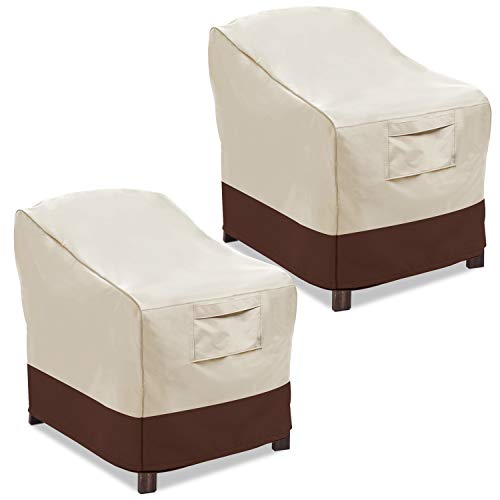
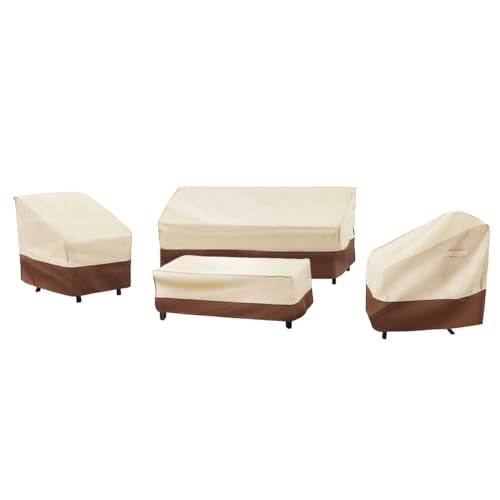
Additionally, placing items under a protective cover during inclement weather significantly minimizes the risk of water damage. I have found that breathable, weather-resistant covers are most effective, as they prevent moisture buildup while shielding the furniture from harsh elements.


Using furniture pads or coasters beneath objects can prevent scratches and dents. These small investments preserve the integrity of the material and keep surfaces looking pristine. I have experienced fewer issues with marks on my pieces since introducing these protective measures.
Periodically inspecting the pieces for signs of wear, such as splintering or fading, allows for timely maintenance. If I find any damage, addressing it early with appropriate touch-up paint or wood filler can prevent larger issues from developing over time.
Tips for Lasting Outdoor Wooden Items
One effective method is to apply high-quality sealants that provide water and UV resistance. Choose products designed specifically for outdoor applications to extend the lifespan significantly.
Routine Maintenance
Regularly clean your pieces using a mild soap solution and soft cloth to avoid dirt buildup. A thorough rinse with water prevents any soap residue, ensuring surfaces are primed for further treatment.
Storage Solutions
During inclement weather or off-seasons, placing your items in a dedicated storage space such as a shed or garage helps prevent wear and damage. Alternatively, use covers that allow for breathability to minimize moisture accumulation.
Choosing the Right Wood for Outdoor Furniture
Teak is my go-to choice. Its natural oils make it highly resistant to moisture and insects, ensuring longevity. Even untreated, it weathers beautifully over time, developing a silver-grey patina.
I also find eucalyptus to be an excellent alternative. It’s dense, durable, and more affordable than teak. When properly cared for, it can withstand various weather conditions.
Avoid pine or other softwoods for exposed settings. They are prone to warping and rotting, decreasing their lifespan. If opting for them, consider a high-quality treatment to bolster their resistance.
I’ve seen acacia used effectively as well. It’s attractive and has a good resistance to the elements, making it a popular choice for stylish settings.
Lastly, check for sustainably sourced options. Not only does this promote environmental responsibility, but it often ensures the wood has been processed into high-quality products that will last for years.
Applying Weather-Resistant Finishes
Select a high-quality exterior sealant or stain specifically designed for protection against UV rays and moisture. Oil-based finishes tend to penetrate deeply and offer robust defense, while water-based options dry quicker and provide a clear finish.
Before applying, ensure the surface is clean and dry. Sanding lightly helps create a better bond for the finish. Use a foam brush or sprayer for even application, avoiding thick layers that can trap moisture.
For optimal results, apply multiple coats, allowing each layer to cure as per the manufacturer’s instructions. Reapplication should occur every couple of years or as needed, depending on the severity of environmental exposure.
Test the finish on a small, inconspicuous area to ensure compatibility and desired aesthetics. Always follow safety guidelines and ventilation recommendations when using solvents indoors or in enclosed spaces.
Utilizing Furniture Covers for Protection
Investing in high-quality covers is essential. Look for thick, durable materials that resist UV rays and moisture. These can significantly extend the lifespan of any outdoor setup. Ensure the cover fits snugly to prevent wind from displacing it, adding straps or ties if necessary.
Consider breathable fabrics to minimize moisture buildup, which can lead to mold and mildew. Ensure covers are easy to remove and machine washable for convenience.
Regularly inspect the covers for wear and tear. Replacing worn-out covers promptly ensures continuous safeguard against elements. Additionally, if possible, store the items in a sheltered area during extreme seasonal conditions for added protection.
Storing Furniture in Inclement Weather
When severe weather looms, it’s advisable to relocate your pieces to a sheltered area. If you have a garage, shed, or basement, use these spaces to prevent damage from rain, snow, or high winds.
- Disassemble any removable parts: Take apart items with detachable components to save space and reduce the risk of breakage.
- Utilize protective wraps: If relocating isn’t feasible, consider covering your assets with tarps or waterproof sheets to shield them from moisture.
- Elevate off the ground: Store items on elevated platforms or pallets to encourage airflow and minimize contact with damp surfaces.
For temporary storage, ensure that any coverings are secured tightly to prevent wind from displacing them. If you’re using furniture covers, make sure they are breathable to avoid trapping moisture underneath, which could lead to mold or mildew growth.
- Before storing, clean all items thoroughly. Remove dirt and debris to protect finishes.
- Apply a suitable sealer if you know it will remain stored for an extended period.
- Organize stored pieces to allow for air circulation. Avoid overcrowding stored items to promote drying.
By taking these steps, I can ensure my furniture withstands the seasons while maintaining its aesthetic appeal and longevity.
Regular Cleaning and Maintenance Routines
Establish a consistent cleaning schedule to extend the life of your exterior items. Aim to clean at least once a month, removing dirt, debris, and any organic matter like leaves or pollen that may accumulate over time. Use a soft brush or cloth and a mixture of mild soap and water. Avoid harsh chemicals that may degrade the finish.
Inspecting for Damage
During each cleaning session, conduct a thorough inspection for cracks, splits, or signs of insect infestation. Address minor issues promptly by applying wood filler or sealant to prevent further deterioration. This simple check can save time and money in the long run.
Applying Protective Oils
Every season, apply a protective oil specifically designed for outdoor use. This enhances the natural beauty while providing a barrier against moisture. Make sure to follow the manufacturer’s instructions for application to achieve the best results. Remember to buff the surface after application for a smooth finish.
Preventing Mold and Mildew Growth
Applying a solution of vinegar and water can help inhibit mold and mildew formation on surfaces. I mix equal parts of white vinegar and water in a spray bottle, then generously apply it on affected areas and let it sit for about an hour before rinsing with water.
Ensure adequate airflow around the timber by keeping it off direct contact with the ground. Using bricks or specially designed risers creates space for airflow, significantly reducing humidity retention and discouraging spore growth.
Utilizing specialized mold-resistant coatings can add an extra layer of defense. These products not only help stop fungal development but also extend the lifespan of the material by shielding it from moisture.
Regularly inspecting for signs of mold or mildew is crucial. At least once a month, I check for discoloration or a musty smell and clean areas promptly using a soft brush and a mild detergent solution to remove any spores before they can spread.
Taking preventive measures against debris accumulation is key. Leaves, dirt, and moisture can create an ideal environment for mold to thrive, thus periodic cleaning is necessary to ensure the spaces remain clear.
In situations of high humidity, I consider placing a dehumidifier nearby when feasible. This minimizes moisture in the air, further reducing the chances of growth.
Protecting Against UV Damage
Applying a high-quality UV-resistant finish is my first step. Products specifically designed to block harmful rays and enhance the natural color of the timber are available. Regularly reapplying this finish helps maintain its protective qualities.
Using a shade structure like an umbrella, pergola, or canopy is another effective measure. This not only shields the pieces from direct sunlight but also helps in prolonging the life of the applied finishes.
I also recommend positioning items strategically. Keeping them under natural shade from trees or nearby structures can significantly reduce sun exposure during peak hours.
Monitoring the condition of the wood regularly allows me to address any signs of fading or discoloration early. If I notice changes, I can immediately take action by reapplying the protective coatings.
Consider utilizing UV-blocking furniture covers when the seating is not in use. These covers are designed to deflect sun rays and prevent the harmful effects of prolonged exposure.
Repairing Scratches and Dents Promptly
Addressing imperfections in your patio pieces as soon as they appear is crucial for maintaining their charm and functionality. Ignoring these minor issues can lead to further damage over time. Here’s how I handle scratches and dents effectively:
Materials Needed
- Wood filler or epoxy putty
- Sandpaper (various grits)
- Stain or paint matching your finish
- Clean, damp cloth
- Putty knife or a similar tool
Steps to Repair
- Start by cleaning the affected area with a damp cloth to remove dirt and debris.
- For scratches, apply wood filler with a putty knife, filling in the damaged area. Smooth it out to match the surface.
- Allow the filler to dry according to the manufacturer’s instructions.
- Once dry, sand the area lightly with sandpaper, starting with a coarser grit and finishing with a finer grit for a smooth finish.
- If necessary, clean the sanded area and apply a matching stain or paint to restore the original appearance.
Regular checks help catch damages early and facilitate easier repairs. By tackling these issues promptly, I keep my seating and tables in great shape throughout the seasons.
Knowing When to Refinish or Replace
Assessing damage is the first step in deciding whether to rejuvenate or exchange items. Look for signs of significant wear, such as deep cracks, extensive warping, or structural instability. If the surface is just weathered or has minor scratches, refinishing may suffice.
Signs Indicating Refinish
| Condition | Action |
|---|---|
| Fading color | Refinish |
| Surface scratches | Refinish |
| Minor water stains | Refinish |
Signs Indicating Replacement
| Condition | Action |
|---|---|
| Splitting or cracking | Replace |
| Severe rotting | Replace |
| Structural compromises | Replace |
Regular inspection helps catch issues early. If a piece becomes unstable or unsafe, prioritizing replacement is wise. For well-loved items, investing in refinishing can extend their life. Weigh the sentimental value against the cost of new alternatives. Sometimes, new designs or sustainable materials may better suit evolving tastes and needs.


