
 Caleb Turner
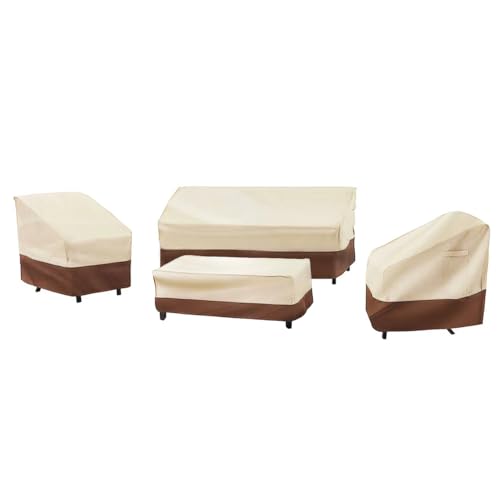
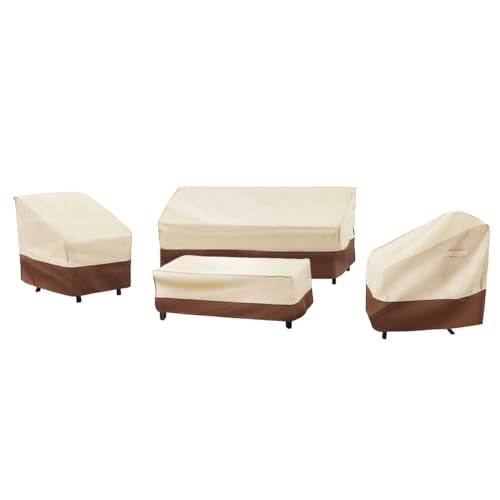
Using high-quality covers is my first recommendation. These tailored protective coverings are designed specifically for outdoor seating, ensuring a snug fit that prevents moisture accumulation. They also shield against UV rays and dirt, prolonging the lifespan of the materials.
Draining any accumulated water regularly is essential in maintaining the condition of the materials. Flipping the seating upside down or positioning them at an angle can facilitate quicker drying. I find that this simple action significantly reduces the risk of mildew growth.

Incorporating waterproof sprays designed for specific materials is another smart step. They create a barrier against water penetration, enhancing the durability of cushions and wood surfaces. Regular application can provide an additional layer of defense.
Using elevated platforms, like risers or pallets, keeps the seating off the ground. This not only aids in airflow but also minimizes contact with moisture, particularly during heavy downpours. I’ve noticed considerable benefits when employing this technique.
Lastly, storing these items indoors during inclement weather is the most foolproof method. If space allows, bringing them inside ensures they remain dry and intact. When not in use, I prioritize this practice to enhance their longevity.
Strategies for Safeguarding Outdoor Seating in Wet Conditions
Investing in high-quality covers is a practical step. These should be waterproof and designed specifically for outdoor use to minimize damage. Ensure they fit snugly to prevent water from pooling underneath.
Material Selection
Opt for materials resistant to moisture such as aluminum or treated wood. For fabrics, choose high-performance synthetics like acrylic or polyester, which are less prone to mold growth.
Placement Considerations
- Store items indoors during inclement weather when feasible.
- Use furniture protectors or coasters to elevate pieces slightly off the ground, allowing air circulation.
Regularly inspect your pieces for signs of water damage. Repair any minor issues promptly to extend their lifespan. This includes tightening screws, replacing damaged cushions, or reapplying protective sealants.
Choosing the Right Materials for Outdoor Furniture
Opt for aluminum frames due to their lightweight nature and resistance to corrosion. This metal does not rust, making it an ideal choice for wet conditions. Look for powder-coated finishes to enhance durability and appearance.
Wood Selections
If wood is preferred, go for teak or eucalyptus. These types contain natural oils that repel moisture and resist decay. Regular application of teak oil helps maintain their luster and longevity. Avoid untreated softwoods, as they will absorb water and deteriorate quickly.
Fabric Matters
For cushions, choose materials like solution-dyed acrylic or polyester. These fabrics are resistant to fading, mold, and mildew. Ensure the cushions have water-repellent coatings and quick-drying foam to wilt-proof them during damp conditions.
By considering these specific materials, I can ensure long-lasting outdoor setups that remain functional and attractive through various elements.
Using Protective Covers for Rainy Days
Choosing a high-quality protective cover is crucial for ensuring the longevity of outdoor seating. I recommend looking for covers made from breathable materials to prevent moisture buildup and mold. Brands that offer UV-resistant options protect against fading while keeping rain at bay.
It’s essential to measure each piece accurately before purchasing a cover. I prefer covers that fit snugly, as loose covers can blow away in the wind or allow water to pool, leading to damage. Reinforced seams add durability and help the cover withstand inclement weather.
For added convenience, opt for covers with handles or straps. These features make it easier to put on and remove the cover, especially when the weather changes unexpectedly. I also find that covers with built-in ventilation flaps help air circulate, preventing moisture retention.
Regular cleaning of the cover is necessary; I recommend using mild soap and water. By maintaining the cover, I ensure it continues to function effectively, providing reliable protection when storms arise. With proper care, a quality cover significantly enhances the lifespan of outdoor seating arrangements.
Applying Waterproofing Treatments to Furniture
I recommend using specialized waterproofing sprays or sealants designed for various materials. Look for products that are suitable for wood, metal, and synthetic surfaces to ensure broad-spectrum protection.
| Material | Recommended Treatment | Application Frequency |
|---|---|---|
| Wood | Marine varnish or a penetrating oil | Every 1-2 years |
| Metal | Rust-resistant spray or clear sealant | Annually |
| Plastic/Synthetic | Waterproofing spray specifically for plastics | Every 2 years |
Prior to applying any treatment, ensure that the surfaces are clean and dry. For wood, lightly sand the surface to enhance adhesion. For metal, remove any rust spots with a wire brush before application.
Apply the chosen product in thin, even coats, allowing adequate drying time as specified in the manufacturer’s instructions. Repeating applications may be necessary for best results, particularly in high-humidity environments.
Be mindful of weather conditions when performing these treatments; ideally, choose a dry day for application. Regularly re-evaluating the state of the treatments will help maintain a barrier against moisture, extending the lifespan of your outdoor items.
Storing Furniture Indoors During Storms
For severe weather conditions, moving items inside is the safest option. I recommend identifying a suitable indoor space with enough room to accommodate all pieces without damage. Basements or garages work well if moisture levels are controlled.
Before relocating each piece, remove any cushions or removable components; store them separately to prevent them from getting wet or moldy. I also clean the surfaces to remove dirt and debris that could cause scratches in storage.
If large items are too cumbersome to bring indoors completely, consider elevating them off the ground using pallets or blocks and covering them with tarps or plastic sheeting. Ensure items are tightly secured to prevent wind from dislodging the coverings.
In addition, I check the weather forecasts regularly and have a plan ready for quick action when storms approach. It’s helpful to have a team or a friend assist, making the process efficient and swift.
Optimizing Patio Design for Rainwater Drainage
Incorporating a slight slope in the surface layout directs rainwater away from seating areas. A grade of 1-2% is typically sufficient, ensuring efficient runoff. Using permeable pavers or gravel can facilitate water absorption, preventing pooling while maintaining stability.
Integrating drainage channels or trenches along the edges collects excess moisture and redirects it to designated areas, such as gardens or rain barrels. These solutions keep the outdoor space dry and functional, minimizing waterlogged conditions that can damage items.
Strategically placing plants and landscaping elements can enhance natural drainage. Raised beds or strategically positioned trees absorb moisture and reduce standing water. Select native varieties that withstand wet conditions while also enhancing aesthetic appeal.
Consider installing a rainwater harvesting system. This captures and redirects water towards beneficial uses, such as irrigation for plants. Using cisterns or barrels not only keeps the area less saturated but also conserves resources for future gardening needs.
Evaluate the placement of gutters and downspouts. Directing runoff away from the covered area can prevent oversaturation. Using extensions on downspouts further distances water from high-traffic zones, keeping surfaces dry and usable.
Regularly maintaining drainage systems, including clearing debris from gutters and drains, ensures optimal function. Plan seasonal checks to remove blockages, keeping water flow unrestricted and effective.
Regular Maintenance Tips to Prevent Water Damage
Inspect the surfaces frequently for signs of wear or damage. Addressing issues early prevents further deterioration.
- Clean regularly. Accumulated dirt and debris lead to moisture retention. A soft brush or cloth with a gentle cleaning solution works effectively.
- Dry thoroughly after exposure to moisture. Wipe down any wet surfaces immediately to minimize absorption.
- Apply sealants specifically designed for outdoor materials. Reapplication may be required every season based on exposure to the elements.
- Check for rust or corrosion on metal components. Use rust-inhibiting products or paint to protect exposed areas.
- Inspect joins and seams of structures. Reseal or refinish them as needed to ensure tight seals against moisture.
Utilize proper storage methods during offseason or inclement weather. Ensuring that items are stored correctly reduces the likelihood of damage.
- Choose a dry, covered place for storage.
- Stack or disassemble when possible to save space and prevent scratching.
- Use pallets or platforms to keep items off the ground and away from potential flooding.
Regular maintenance not only extends the lifespan but also enhances the appearance of your outdoor assets.
FAQ:
What are the best materials for patio furniture that can withstand rain?
When selecting patio furniture for rainy conditions, look for materials that are resistant to moisture. Metals like aluminum and stainless steel are excellent choices due to their rust resistance. Wicker made from synthetic fibers is also suitable, as it can withstand dampness without deteriorating. Teak and eucalyptus wood are popular among wooden options, as they contain natural oils that help repel water. Coated fabrics such as solution-dyed acrylic can offer good protection against moisture while remaining comfortable for seating.
How can I cover my patio furniture during heavy rain?
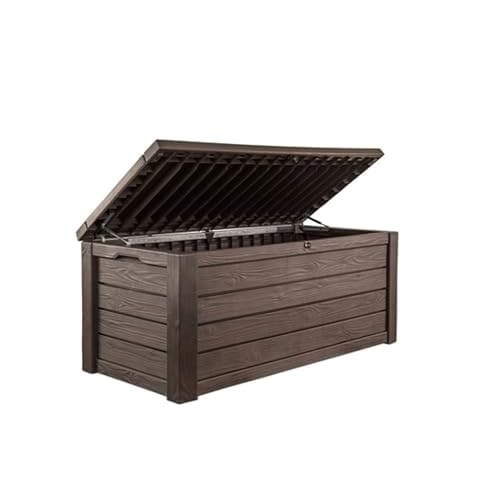
One effective way to cover patio furniture during heavy rain is to use waterproof furniture covers that are specifically designed for outdoor use. These covers should fit snugly over your chairs, tables, and lounges to ensure maximum protection from water. Alternatively, you can place your furniture in a shed or garage if you anticipate a particularly severe storm. If you frequently experience rain, consider investing in a patio storage box where you can store cushions and smaller items when not in use.
Is it necessary to bring patio cushions indoors when it rains?
Yes, it is advisable to bring patio cushions indoors during rain to prolong their lifespan. Even if the cushions are water-resistant, prolonged exposure to moisture can lead to mold and mildew growth. If bringing them inside is not feasible, choose cushions made with quick-drying foam and covers that are water-resistant. Additionally, using storage solutions, such as waterproof bags or bins, can help protect your cushions without needing to find space indoors each time it rains.
How can I prevent rust on metal patio furniture?
To prevent rust on metal patio furniture, start with regular cleaning to remove dirt and debris, which can trap moisture. Apply a protective coating of wax or a specialized metal protectant periodically, especially after a heavy rain. If you notice any scratches or chips in the finish, address them immediately by touching up with paint designed for outdoor use. Storing the furniture in a dry place or using covers can also help minimize exposure to rain and humidity.
What are some DIY solutions to protect patio furniture from rain?
Several DIY methods can help protect patio furniture from rain. One simple idea is to use tarps, which can be easily draped over your furniture during storms. You can weigh down the corners with bricks or stones to keep the tarp in place. Another option is to create a wooden or canvas structure that provides overhead coverage for your patio area. Additionally, applying a homemade waterproof treatment using a mixture of beeswax and linseed oil can enhance the water resistance of wooden furniture.


