
 Caleb Turner
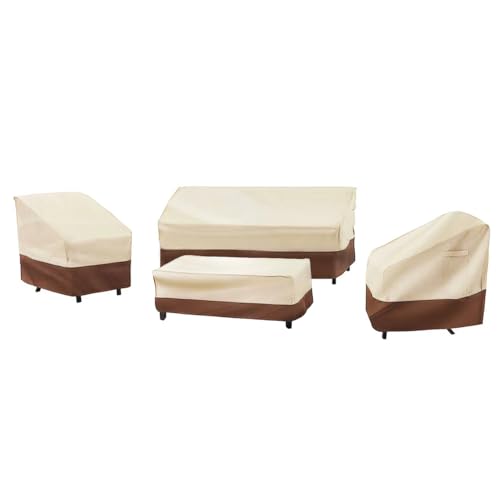
Using protective covers is the simplest way to shield your outdoor seating from harsh elements. Ensure you choose high-quality, waterproof tarps that fit well to keep moisture and debris at bay.
For pieces made of wood, applying a weather-resistant sealant before the cold months can significantly extend their lifespan. Regular maintenance with a wood conditioner can help maintain their appearance despite exposure to low temperatures.

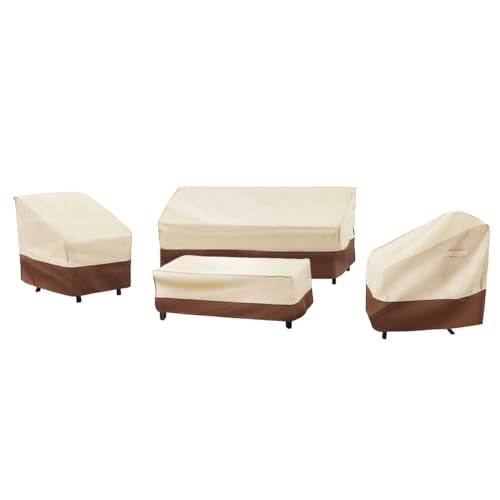
If your seating is made from metal, consider moving them to a sheltered location or using rust-resistant products to treat exposed areas. This can prevent unsightly corrosion from settling in during frost.
Invest in proper storage solutions. Disassembling and storing lightweight chairs and tables in a garage or shed can greatly reduce wear. For heavier items, use pallets to elevate them off the ground, preventing moisture accumulation.
Lastly, regularly check the condition of your furniture throughout the season. This allows for timely interventions, such as cleaning or repairs, ensuring that everything remains in excellent shape for the following season.
How to Safeguard Outdoor Essentials in Cold Months
Covering items with high-quality tarps is a straightforward measure to prevent snow and ice accumulation. Ensure the covers are secure to avoid wind displacement. If possible, store smaller pieces in a shed or garage to keep them safe from harsh weather.
Use Protective Coatings
Applying a weather-resistant sealant on surfaces can create an additional layer of defense against moisture and dirt. Look for products specifically designed for outdoor use, which can enhance longevity and appearance.
Proper Arrangement
Positioning larger structures with their legs elevated can minimize contact with ground moisture. Use pallets or bricks to create a base, ensuring air circulation underneath to decrease the risk of rot or corrosion. Make sure to arrange items strategically to prevent them from collecting debris or pooling water.
Choosing the Right Cover for Your Furniture
To ensure long-lasting care of your outdoor seating and tables, I recommend opting for covers made from heavy-duty polyester or vinyl. These materials offer superior resistance to moisture and UV rays, preventing damage over time.
Consider selecting covers with a waterproof backing to keep everything dry during heavy rains. It’s also crucial to choose covers that are breathable; this prevents mold and mildew growth while maintaining airflow.
Look for adjustable straps or drawstrings that secure the cover in place, especially in windy conditions. A fitted design will not only enhance protection but also improve the overall aesthetic of your outdoor area when not in use.
Check the size carefully, ensuring that the cover matches your specific items perfectly. Many retailers provide size charts, making it easier to find the right fit. If possible, opt for custom sizes to guarantee full coverage.
Finally, select covers with warranties. This indicates the manufacturer’s confidence in their product’s durability. Investing in quality covers can significantly reduce the frequency of replacements, ultimately saving costs in the long run.
Cleaning and Preparing Items Before Storage
Thoroughly clean each piece with mild soap and warm water to eliminate dirt, grease, and debris. This ensures that no contaminants lead to corrosion or staining during storage.
For metal structures, I recommend utilizing a soft brush for hard-to-reach spots. After washing, dry them completely to prevent rust buildup.
Dealing with Cushions
For fabric components, vacuum to remove loose particles. Fabrics can be treated with an appropriate fabric cleaner and left to air dry fully. Storing damp cushions can result in mildew.
Inspecting and Treating Surfaces
Before wrapping or covering any item, check for damage. Repair any scratches or dents, and apply a suitable protective finish on wood and metal surfaces. Sealants or waxes provide added defense against the elements.
Completing these steps will maximize longevity and maintain the aesthetic appeal of your outdoor pieces through harsh conditions.
Storing Furniture in a Protected Location
For optimal safeguarding, I choose a garage or a shed, ensuring that my lounge set and tables are kept away from moisture and harsh temperatures. If indoor storage isn’t feasible, creating a sheltered outdoor area, like a covered porch, works effectively.
| Location | Pros | Cons |
|---|---|---|
| Garage | Climate-controlled, secure | Limited space, potential for dust accumulation |
| Shed | Protection from weather, manageable space | Possible humidity issues, less secure than indoor |
| Covered Porch | Easy access, sheltered from rain | Less protection against extreme cold, potential for pests |
I also make sure to elevate items off the ground using pallets or blocks. This keeps them dry and prevents mildew. If I store everything in a shed, I check for rodents or insects and take measures to deter them.
Lastly, I cover the pieces with breathable materials instead of plastic. This avoids moisture buildup while shielding from dust. Regular checks during storage help to address any issues promptly.
Using Furniture Suits for Additional Protection
Investing in durable furniture suits provides a practical layer of defense against harsh elements. These tailored covers shield against snow, rain, and UV rays, significantly extending the lifespan of your outdoor seating and tables.
Choosing Material Wisely
I recommend selecting high-quality, weather-resistant fabrics. Look for options like polyester or vinyl, which offer excellent water-repellent properties and UV protection. Ensure the material is breathable to prevent moisture buildup, which can lead to mold and mildew.
Proper Fit and Secure Fastening
Opt for furniture suits that fit snugly around your pieces. Adjustable straps and drawstrings help secure the cover during strong winds. A well-fitted suit not only prevents dirt accumulation but also keeps your outdoor decor looking pristine through the colder months.
Consider purchasing matching suits for each item; this uniformity not only adds aesthetic appeal but also simplifies storage and retrieval. With the right choice, I find that maintaining the appeal of my outdoor space is effortless, even in less-than-ideal weather conditions.
Regular Maintenance During the Winter Months
I recommend checking your items regularly throughout the cold season to address any issues before they escalate. Inspect each piece for signs of wear or damage, such as cracks, rust, or faded finishes. If you find any problems, consider performing necessary repairs to extend their lifespan.
Once a month, I suggest giving a quick cleaning to remove dirt and debris that can accumulate. Use a soft brush or cloth to avoid scratching surfaces. If you notice any stubborn stains, a mild soap solution can help, followed by thorough rinsing to prevent residue build-up.
Applying a protective coating, like sealant or furniture wax, can also be beneficial. This creates a barrier against moisture while enhancing the appearance. Reapply these treatments as needed according to the product instructions.
During particularly harsh weather, check on your coverings. Ensure that they are securely fastened and free from damage to maintain their protective capability. Adjust or replace covers if they show wear. If snowfall occurs, gently brush off any accumulation to minimize weight stress on structures.
By staying proactive with maintenance, I can prevent long-term deterioration and ensure my outdoor seating remains in great shape for the next season.
Tips for Inspecting Furniture After Winter
Begin by examining each piece for signs of damage. Look for rust, cracks, or anything unusual that may have developed during the cold months.
- Inspect Metal Pieces: Check for rust spots. If found, use fine sandpaper to remove it, then apply a rust-inhibiting paint.
- Check Wood Surfaces: Look for any warping or splits. Sand down rough edges and consider applying a protective finish to restore and guard against moisture.
- Examine Cushions and Fabrics: Look for mildew or stains. Clean with a mild detergent and allow them to dry thoroughly before storing.
- Fasteners and Joints: Inspect screws and joints for looseness. Tighten any loose fittings to ensure stability and safety.
After completing the inspection, develop a cleaning routine to keep the pieces in top condition for the upcoming season. Regular maintenance will significantly extend their lifespan.
Document any repairs needed, creating a schedule for completing them. This proactive approach prevents further damage and preserves the investment made in outdoor elements.
Lastly, assess the location. If furniture showed wear due to its placement, consider a new arrangement that offers improved coverage from the elements.


