
 Caleb Turner

Using felt pads under heavy pieces is a straightforward yet effective method to prevent indentations on your flooring. These pads are widely available and can be easily attached to the bottom of chairs, tables, or any other substantial items, significantly reducing the risk of damage.
Additionally, consider placing area rugs under key pieces to create a buffer zone. This adds a layer of protection while enhancing the aesthetic appeal of your space. Choose rugs that are not only stylish but also durable, ensuring they withstand the weight and movement of furniture.
Regularly rearranging your heavy furniture can also help alleviate pressure points. This simple habit allows the fibers of your flooring to breathe and recover, minimizing long-term impressions. Implementing these strategies ensures longevity and maintains the beautiful appearance of your interior surfaces.
Choosing the Right Furniture Pads
Select pads made from durable materials like felt or rubber. Felt offers a soft surface, reducing friction, while rubber provides a non-slip grip, preventing movement. Measure the dimensions of your furniture legs to find pads that fit snugly.
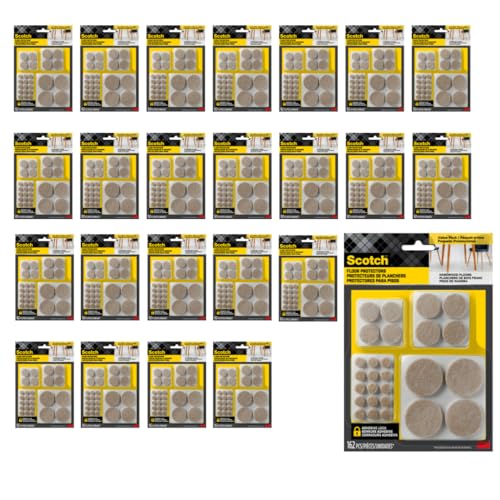


Look for adhesive-backed options for easy application, ensuring they stay in place. When choosing, consider a thickness of at least 1/4 inch; this thickness often balances protection and comfort. Check the weight capacity to match your items, as heavier pieces require sturdier pads.
For added protection, consider using gliders that include a plastic bottom. These can minimize wear on the floor beneath while allowing the furniture to slide with ease during movement.
Evaluate the pad’s design, ensuring they complement your aesthetic choice. Some pads come in various colors or styles, allowing them to blend seamlessly with your décor. Keep an eye on maintenance; select pads that are washable or easy to replace.
Regularly inspect pads for wear and tear to maintain their effectiveness, replacing any that show signs of damage or loss of adhesion. This prevents unexpected marks or damage to surfaces beneath your items.
Types of Carpet-Friendly Furniture Feet
I recommend opting for furniture feet designed specifically to minimize damage to your flooring. Here are some effective options:
Soft Plastic Glides
These glides distribute weight evenly and create a barrier between the heavy pieces and the textured surface underneath. They are ideal for items like chairs and tables and can protect against indentations while allowing easy movement.
Rubber Caps
Rubber caps fit snugly over sharp or hard edges, preventing direct contact with the flooring. They offer combined cushioning and durability, making them suitable for a variety of furniture types. The non-slip nature helps maintain stability during use.
Choosing the right type of protective feet is often as important as selecting the right materials for your home. Evaluate your furniture’s design and weight before making a decision.
DIY Solutions for Protecting Carpets
If you’re looking for simple ways to safeguard your flooring, consider using everyday materials you likely have at home. One effective method involves cutting small circles from old mouse pads or durable sponges and attaching them to the bottoms of your seating. This cushioning mitigates marks and holds items stable.
Another option is to cover the bases of your chairs with tennis balls. Cut a slit in each ball, then slide them onto the legs. This provides a soft barrier, allowing for smooth movement while reducing damage.
Using Felt Pads
Felt pads are readily available and can also be DIY. Cut felt fabric into circles or squares, and glue or attach them to the legs of your items. Make sure to choose a thickness that suits the surface of your flooring for optimal cushioning.
Creating a Custom Solution
An innovative approach is repurposing rubber gripper mats. Cut them into desired shapes and sizes to fit under each leg. These mats provide both grip and cushioning, making them an ideal choice for any surface.
| Material | Benefits | How to Use |
|---|---|---|
| Old Mouse Pads | Durable, cushioned | Cut into circles, attach to leg bottoms |
| Tennis Balls | Soft, portable | Cut a slit, slide onto leg ends |
| Felt Pads | Versatile, customizable | Cut to size, stick or glue onto legs |
| Rubber Gripper Mats | High traction, shock-absorbing | Cut to fit, place under legs |
By applying these techniques, I effectively minimize wear while ensuring my space remains functional and aesthetically pleasing. Prioritize comfort and style concurrently with these inventive alternatives.
Placement Strategies for Heavy Furniture
Positioning substantial items wisely can mitigate damage to soft surfaces. First, distribute weight more evenly across the floor’s area. This can be achieved by slightly pulling back on larger pieces, creating a gap that allows the flooring to breathe.
Utilize Cushioned Surfaces
Prioritize placing large units on mats made of thicker materials. These mats act as shock absorbers, minimizing direct pressure. Consider these steps:
- Opt for dense foam pads that compress slightly under weight, providing cushioning.
- Use felt-topped protectors to reduce friction and avoid abrasive wear.
- Find non-slip options to ensure stability without shifting.
Strategic Arrangement Techniques
Reevaluate arrangement layouts periodically to distribute load more effectively:
- Cluster heavier pieces with lighter ones to balance density.
- Position massive items away from high-traffic areas to lessen wear.
- Consider using elevation techniques such as placing heavier elements on low-profile platforms to decrease direct contact with soft surfaces.
Implementing these strategies ensures longevity and preserves the aesthetic appeal of your living space. Regular assessments of placement and adjustments to configurations can further enhance durability.
Regular Maintenance Tips to Prevent Damage
Weekly vacuuming, especially with a vacuum equipped with a beater bar, removes dirt and debris that can wear down the fibers, reducing the risk of damage from heavy pieces.
Consider shifting the positioning of larger items every few months. This reduces indentations and allows fibers to recover naturally, helping maintain the appearance of the surface.
Immediately address spills or stains to prevent them from setting in. Use clean, dry cloths to blot up any moisture, and apply a carpet cleaner specific to the type of stain.
Regularly check the condition of pads under heavy items. Replace worn or damaged pads to ensure they continue to provide effective cushioning against wear.
Control foot traffic by designating high-traffic areas and runner mats in those spots. This minimizes direct contact with susceptible areas.
Lastly, schedule professional cleaning annually. This not only deep cleans but also revives fiber integrity, extending its lifespan significantly.
Using Area Rugs to Shield Carpets
Implementing area rugs is an excellent strategy to safeguard your flooring. Select rugs that complement your interior design while providing a buffer between heavy items and the underlying surface. Consider opting for thicker, durable fabrics, which can absorb weight and prevent indentations effectively.
Size and Placement Considerations
When choosing area rugs, ensure they are large enough to accommodate the footprint of your chairs, tables, and other sizeable articles. Ideally, the rug should extend a minimum of 12-18 inches beyond the edges of furniture pieces to create a cohesive look and maximize protection. This additional space helps distribute weight and reduces pressure on the surface beneath.
Rug Material Choices
Focusing on materials is key; natural fibers like wool or cotton offer both resilience and comfort. Synthetic options, such as polypropylene, provide moisture resistance and are easier to clean. Whichever material you choose, ensure it has a non-slip backing to prevent movement and increase stability under heavy use.
Understanding Carpet Types and Their Vulnerabilities
I focus on the specific vulnerabilities of different flooring materials to enhance my protective strategies. For instance, nylon is durable but susceptible to crushing under heavy weight. I often place cushions underneath to alleviate pressure from substantial pieces.
Wool, while luxurious, is prone to stains and wear over time. I recommend utilizing pads that aid in moisture absorption, safeguarding the fibers from unexpected spills. Synthetic carpets offer resilience but can suffer from indentations. Ensuring even distribution of weight is crucial to maintaining appearance.
Key Types and Their Distinct Features
Frieze carpets tend to form a tighter twist, making them resilient against impressions. I apply moving pads to distribute the weight of my heavier items more evenly across these twisted fibers. Berber options, with their looped texture, provide durability but can snag easily; thus, I select furniture options with rounded edges to minimize damage.
When considering low-pile carpets, I find smaller, broader feet on items are more effective in reducing stress on the surface. Textured options can trap dirt and require frequent cleaning, motivating me to adopt practices that preserve their look.
In Conclusion
Every material exhibits unique characteristics. I assess these traits and tailor my protective measures accordingly, ensuring longevity and beauty for my flooring.
Heavy-Duty Options for High-Traffic Areas
An excellent choice for high-traffic zones is utilizing dense carpet protectors. I recommend searching for products made from robust materials like thick rubber or specialized plastic, which should withstand significant weight and daily wear.
Consider investing in furniture coasters with larger diameters, distributing weight more evenly across surfaces and minimizing indentations. Look for options with a non-slip base to keep them securely in place.
Using specialized felt pads designed for heavy-duty applications works well, as they not only prevent scratches but also absorb shock from movement. Opt for brands that guarantee longer-lasting adhesion and durability.
For added resilience, layered padding beneath carpet can add an extra barrier against heavy items. Choose dense profiles that rebound under pressure, prolonging the lifespan of your flooring.
Incorporating metal or reinforced plastic feet on seating and tables can help. These materials are often tougher and can better withstand frequent repositioning without causing damage.
Finally, ensuring that any protective solution is regularly inspected will help maintain its integrity. Periodic checks can prevent unnoticed breakdowns and subsequent harm to your flooring.
Seasonal Adjustments for Furniture Arrangements
To enhance the longevity of your flooring, seasonal adjustments in furniture layout are crucial. By shifting heavy items according to the time of year, I can minimize wear while ensuring a fresh look.
- In the winter months, consider rearranging sofas and chairs away from heating vents. This not only protects surfaces but also improves airflow.
- During summer, placing additional mats or runners in high-traffic areas can help absorb moisture and dirt brought in from outdoors.
- Rotate seating arrangements to prevent excessive indentation and wear in specific spots during the season.
- If I have outdoor events or gatherings, moving items temporarily can keep them safe from potential damage during increased foot traffic.
Adjusting placement throughout seasonal changes also allows me to utilize natural lighting more effectively, giving my space an inviting ambiance while caring for my investments.


