
 Caleb Turner
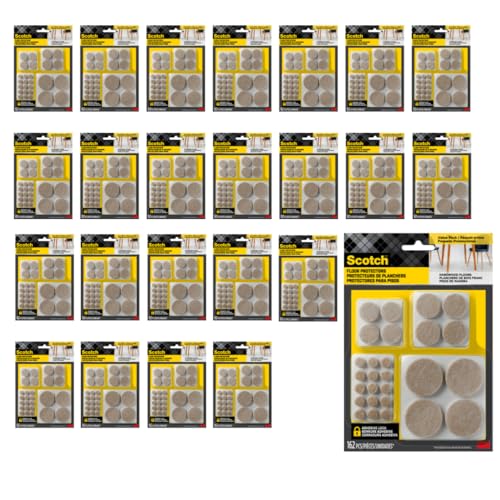
I recommend using furniture coasters as a simple yet effective solution. These small pads distribute the weight of large pieces, minimizing pressure on the flooring underneath. Look for materials like plastic or rubber; they offer both durability and stability.
If you’re dealing with significant load-bearing items, consider rearranging the layout to spread their impact across a larger area. This can help reduce the potential for noticeable indentations. Incorporating area rugs in high-traffic spaces can also act as a barrier, absorbing some of the strain.
Add thick padding beneath your textiles as a preventative measure. With generous cushioning, weight is mitigated, and your surfaces remain intact for longer. Regularly move or rotate your furniture to ensure even wear and tear on the flooring, which extends its lifespan.
How to Shield Floor Coverings from Bulky Items
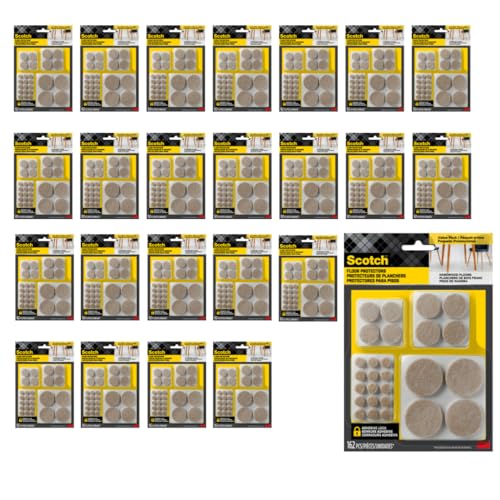
Using furniture coasters is one of the most straightforward strategies I implement to distribute weight evenly while safeguarding the flooring underneath. Opt for heavy-duty plastic or rubber varieties that can bear substantial loads without causing impressions or damage.


Choose Appropriate Area Rugs
Incorporating area rugs under heavy items can provide an added layer of insulation and prevent direct pressure on the flooring. Selecting thicker, durable materials ensures better cushioning and prolongs the life of both the rug and the surface beneath.
Regularly Rearrange Layouts
Periodically shifting furniture layout allows for even wear on the flooring. This simple practice helps in minimizing permanent indentations and can refresh the overall aesthetics of the room.
Choosing the Right Furniture Legs
Select thin, wide legs for substantial items. These designs distribute weight evenly across the surface, minimizing pressure points that can indent or damage the fibers beneath. Metal legs often provide stability while adding a contemporary touch, enhancing both durability and style.
Consider Material
Opt for rubber or felt caps on the bottom of legs. These materials cushion the impact and create a buffer zone, reducing friction against the flooring. Hard plastic legs may slide easily, while softer options adhere better and prevent slipping during everyday use.
Adjustable Leg Options
Implement adjustable legs, allowing you to modify height and balance. This flexibility ensures that furniture sits level, further reducing any strain on the ground beneath. Look for models that permit height adjustments to accommodate varying floor types, ensuring uniform support throughout the home.
Utilizing Furniture Pads and Coasters
To minimize damage to your flooring, incorporating furniture pads and coasters is a simple but effective strategy. These accessories create a barrier between the underside of your items and the surface underneath, preventing direct contact that can lead to indentation, fraying, or wear.
Types of Pads and Coasters
- Felt Pads: Ideal for heavier pieces, felt is an excellent choice for protecting surfaces while allowing for easy movement. Ensure you select pads with an appropriate thickness for the weight of your items.
- Rubber Coasters: Great for preventing slippage, these coasters also provide traction to keep belongings in place. They are particularly useful on smooth surfaces.
- Plastic or Vinyl Pads: These options are durable and can withstand heavy use. They are suitable for outdoor furniture or in areas prone to moisture.
Installation Tips
- Clean the bottom of each piece thoroughly to ensure that the adhesive on the pads adheres well.
- Before application, measure and cut pads or coasters to fit securely beneath each leg or base.
- Regularly check the condition of these protectors, replacing them as needed to maintain optimal protection.
Adding these simple yet practical solutions not only preserves the condition beneath your belongings but can enhance the overall aesthetic of your living space. By investing a little time and effort in these additions, I’ve noticed fewer issues with my flooring over time.
Arranging Furniture with Carpet Protection in Mind
Positioning items strategically can significantly reduce wear on floor coverings. I recommend dispersing weight across surfaces rather than concentrating it in one area. For instance, place larger pieces such as sofas or cabinets toward the edges of the room where they impact less.
Using area rugs or runners under furnishings also adds a protective layer. These can absorb pressure and prevent direct contact with the underlying material. By layering textiles, I create visual interest while ensuring durability.
For spots requiring heavier pieces, I suggest creating a designated area. This way, the weight can be confined, lessening long-term damage. Establishing zones helps in balancing aesthetics and functionality.
Employing corner blocks or arranging furniture at angles can minimize the contact points with the floor. This method allows for air circulation beneath and decreases indentations over time. I find that achieving a sense of harmony while being mindful of wear really enhances the entire space.
Experimenting with the layout can lead to innovative arrangements that not only look appealing but also ensure longevity for the flooring. Regularly rotating the placement of movable items like chairs or small tables can help distribute wear evenly and maintain their appearance.
Regularly Rotating and Moving Furniture
To minimize indentation in floor coverings due to weighty pieces, it’s beneficial to shift and rotate your items periodically. This practice prevents prolonged pressure on one specific area, allowing fibers to recover and maintain their appearance.
Consider the following strategies:
- Rotate larger pieces every three to six months to distribute weight and reduce wear on specific sections.
- Shift smaller items or accessories more frequently; this allows the flooring to readjust and breathe.
- Track the placement of your larger pieces. Keeping a log can help you remember when each piece was last moved.
- Incorporate a schedule for re-arranging your setup with changing seasons to refresh your space and protect surfaces.
Even small adjustments, such as moving a side table a few inches, can have positive impacts on the longevity of the underlying material.
Cleaning and Maintaining Carpets Under Heavy Items
I recommend vacuuming regularly using a vacuum cleaner with a beater bar to lift dirt and debris that can accumulate under large objects. This maintains the cleanliness and appearance of the fabric beneath. Use a crevice tool to reach tight spaces around furniture edges.
Stains can occur despite precautions, so addressing spills immediately is critical. Blot the area gently with a clean cloth rather than rubbing, to prevent the stain from spreading or embedding further. After blotting, apply a mixture of mild detergent and water, using a soft cloth until the spot disappears.
Routine Care Tips
Consider steam cleaning every 6 to 12 months, particularly in areas where pressure is applied. This method rejuvenates fibers and eliminates embedded dirt. Always follow the manufacturer’s recommendations for your particular type of textile.
Seasonal Rotation
Seasonally shifting the placement of heavy articles is beneficial. Not only does this help in even wear, but it also allows for cleaning underneath items that are typically stationary. Aim to rotate these pieces every few months for an even distribution of pressure.
| Maintenance Task | Frequency |
|---|---|
| Vacuum | Weekly |
| Spot Clean | As needed |
| Steam Clean | Every 6-12 months |
| Rotate Furniture | Every 3 months |
Utilizing these strategies ensures the longevity and aesthetic of your floor textiles, contributing to a comfortable and inviting living space.
Considering Carpet Materials and Thickness
Opt for a thicker pile when selecting flooring for areas that will support substantial items. A plush or high-density option reduces the likelihood of indentations and wear, providing added resilience against weight. Natural fibers such as wool offer a balance of durability and aesthetic appeal, while synthetic materials like nylon are known for their strength and easy maintenance.
Evaluating Density
Density plays a critical role in the longevity of your flooring. Higher density carpets tend to distribute weight more evenly, minimizing damage over time. I recommend checking the weight per square yard; options exceeding 40 ounces typically provide better durability under pressure.
Understanding Backing Types
Choosing the right backing can enhance the life of your flooring. Look for carpets with a sturdy, moisture-resistant backing, which can mitigate the effects of heavy items. A solid latex or woven backing provides superior strength compared to the standard unitary options.
Incorporating these material specifications will ensure your flooring can withstand the rigors of your household while maintaining its visual appeal over time.
FAQ:
What materials can I use to protect my carpet from heavy furniture?
You can use a variety of materials to protect your carpet from heavy furniture. Felt pads are a great choice as they help distribute the weight of the furniture and prevent indentations. Rubber mats or coasters can also be placed under the legs of the furniture, providing a sturdy barrier. For a more decorative approach, consider using area rugs that complement your furniture while adding an extra layer of protection.
How can I rearrange heavy furniture without damaging my carpet?
When rearranging heavy furniture, it’s best to use furniture sliders or dollies designed for this purpose. Place sliders under the furniture legs to easily glide them across the carpet without causing damage. If sliders are not available, you can lift the furniture slightly while a helper pulls a thick cloth or rug underneath it. Always make sure to avoid dragging the furniture as this can lead to fraying or ripping of the carpet fibers.
What should I do if my carpet has already developed indentations from heavy furniture?
If your carpet has formed indentations, there are a few methods to help restore its appearance. First, try placing ice cubes in the indented areas and allow them to melt. The moisture can help the carpet fibers regain their original shape. Afterward, gently brush the area with a soft toothbrush or your fingers to fluff up the fibers. Another option is to use a steam iron, held at a distance, to add moisture and warmth, which can also assist in fluffing the carpet back up.
How often should I rearrange heavy furniture to prevent carpet damage?
Rearranging heavy furniture every few months can be beneficial in preventing long-term damage to your carpet. This allows the carpet fibers to recover from any pressure applied by the furniture. Additionally, it is a good idea to occasionally lift furniture to check for any signs of wear or damage beneath, ensuring that any protective measures remain effective. Regular maintenance will help prolong the life of your carpet.
Are there specific types of carpets that are better at resisting damage from heavy furniture?
Yes, some carpets are more resilient to damage from heavy furniture than others. Loop pile carpets, such as Berber, tend to be more durable and can withstand the weight without showing indentations as easily as cut pile carpets. Nylon and polyester are also good choices due to their strength and ability to bounce back after pressure. When choosing a carpet, consider one with a higher density for better resistance against heavy furniture.


