
 Caleb Turner

Begin with a thorough cleaning of the surface to ensure optimal adhesion. I recommend using a mixture of warm water and mild detergent. This simple step eliminates dirt, grease, and oils that could hinder the process.
Choose a high-quality acrylic or chalk-based coating designed for direct application. These formulations adhere well to various materials and provide a durable finish. Trust me, using specialized products saves time and enhances the longevity of your work.
Apply a thin coat using a synthetic brush or roller, ensuring even coverage. Move methodically, avoiding excessive loading of the applicator. If bubbles form, gently smooth them out for a flawless appearance. Allow sufficient drying time as specified on the product label before adding additional layers.
For added depth and texture, experiment with techniques like dry brushing or layering complementary shades. This approach not only revitalizes but also personalizes each piece. Remember, patience is key–allow each layer to cure properly for the best results.
Transforming Surfaces with Ease
Utilize a high-quality bonding agent specifically designed for obstacles like gloss finishes. This prepares the area effectively without prior roughening. Ensure the surface is clean, free of dirt and grease, allowing for optimal adhesion of the new layer.

Selecting the Right Materials
- Choose a low-odor acrylic option that offers durability and color retention.
- Opt for a foam roller or brush to apply evenly, minimizing the risk of streaks.
- Consider multi-surface formulations that bond well to various elements.
Executing the Application
- Apply a thin coat, allowing sufficient drying time before adding additional layers.
- For a flawless finish, lightly sand between coats using fine-grit paper if desired.
- After final application, allow to cure completely before using the item.
Following these steps ensures a refreshed look while preserving the integrity of the original surface.
Choosing the Right Type of Paint for Furniture
Picking the right coating is crucial for achieving a flawless finish on your pieces. I recommend going for a product specifically designed for surfaces that require minimal prep work. Look for acrylic latex or chalk-based options, as these often adhere well to previously finished materials.
Acrylic Latex Options
Acrylic latex provides excellent durability and flexibility, making it suitable for high-use items. Brands like Rust-Oleum have formulated paints that eliminate the need for extensive set-up. I prefer using a satin or semi-gloss sheen, which adds a subtle luster without overpowering the original design.
Chalk-Based Solutions
Chalk-based formulas are fantastic for those aiming for a vintage or matte finish. They bond effectively to glossy surfaces and often require minimal prep. These products are easy to distress after application, allowing for a rustic aesthetic that’s perfect for creating a charming, worn look. Be sure to seal your work with a clear wax or matte topcoat for extra protection.
In my experience, always conduct a small test on an inconspicuous area. This helps ensure that your chosen coating adheres well and gives you the desired effect. Choosing wisely can transform your pieces with minimal hassle.
Preparing the Surface for Best Adhesion
Cleaning the surface is my first step. I use a mixture of warm water and mild soap to remove any dust, grease, or old residue. A microfiber cloth helps to ensure I don’t leave any lint behind.
Next, I opt for a deglosser, applying it with a cloth in a circular motion. This product creates a better grip for the new layer by breaking down the existing finish. I make sure to follow the instructions, allowing time for it to work effectively.
After deglossing, I thoroughly rinse the surface with water and dry it completely. This ensures no chemical remnants are left to interfere with the upcoming application.
For maximum adhesion, I lightly scuff the surface using a fine-grit sponge pad. This creates a slight texture for better bonding without the need for extensive preparation.
I finish by vacuuming any dust and wiping everything down with a clean cloth. Ensuring the surface is completely free of debris is key to a successful outcome. Once these steps are completed, I’m confident the new layer will adhere effectively, providing a clean and durable finish.
Tools You Need for a Smooth Painting Process
Gathering the right equipment is key for a seamless enhancement project. The following items will facilitate the process and yield impressive results:
| Tool | Purpose |
|---|---|
| Foam Roller | Provides a smooth, even finish, perfect for larger surfaces. |
| Angled Brush | Ideal for corners and detailed areas, allowing for precision application. |
| Lint-Free Cloths | Essential for cleaning surfaces and removing dust before starting. |
| Drop Cloths | Protects the surrounding area from spills and drips during the task. |
| Paint Tray | Holds paint for easy access with roller or brush. |
| Masking Tape | Crisp lines and protection of areas you do not want to coat. |
| Safety Gear (Gloves, Mask) | Protects skin and respiratory system from fumes and residues. |
| Spray Bottle with Water | Helpful for misting surfaces, keeping them damp for better adhesion. |
| Paint Stir Stick | Ensures thorough mixing of color and consistency in the solution. |
With these tools at hand, I’m confident the transformation will be both enjoyable and satisfying. Each piece plays a significant role in achieving a sleek finish that stands out.
Selecting the Appropriate Brushes and Rollers
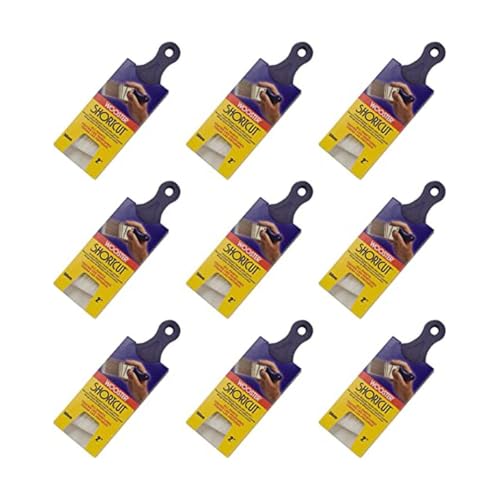
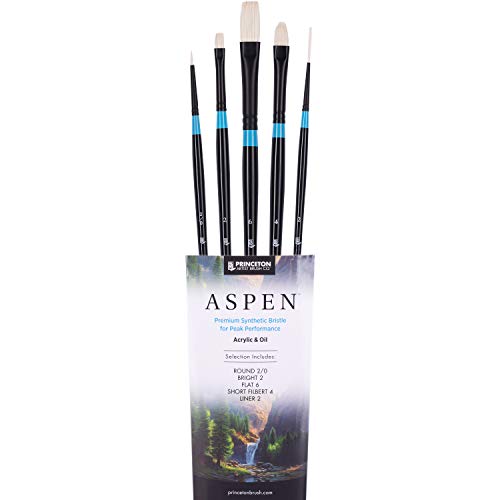
I recommend using synthetic brushes for a smooth finish, as they hold and distribute acrylic or latex formulas effectively. A 2- to 3-inch angled brush is ideal for detailed work and corners, while a flat brush can be used for larger areas. For smooth surfaces, a foam roller offers a fine texture and helps minimize brush marks, making it a great choice for broad sections.
Choose brushes with tapered tips for precision. This provides better control when working on intricate designs or edges. Additionally, consider the density of the bristles; stiffer bristles are better suited for thicker coatings, while softer bristles work best with thinner layers.
Invest in quality tools, as they can significantly impact the outcome. A good brush won’t shed bristles during application and will retain its shape well. Similarly, a high-density foam roller will apply the medium evenly, ensuring a consistent look across the surface.
For small repairs or touch-ups, I find that using a 1-inch brush works perfectly. It provides the precision needed for fine details without creating excess mess. Make sure to clean your tools thoroughly after use; this extends their lifespan and maintains performance for future projects.
Applying Paint: Techniques for a Flawless Finish
I recommend working in thin layers, allowing each to dry fully before applying the next. This approach ensures an even coating and reduces the risk of drips.
Utilize a high-quality synthetic brush or a foam roller. Synthetic brushes excel on smooth surfaces, while foam rollers distribute a thin, uniform layer.
For corners and intricate details, a small brush provides precision. Always use long, even strokes to maintain consistency and avoid streaks.
Maintain a wet edge while you work, which helps to blend the layers seamlessly. Overlap slightly with each stroke to create a cohesive look.
If you notice any imperfections after the first coat, wait until it dries completely, then lightly sand with fine-grit paper or a sanding sponge. Wipe away dust before adding subsequent layers.
Consider using a spray application for larger items or for achieving a smooth, flawless finish. This method allows for even distribution but requires careful masking of areas you don’t want to coat.
Patience is key; give each layer adequate time to cure before handling. This patience results in a more durable finish that stands up to wear and tear.
Lastly, always follow the manufacturer’s instructions on drying times and re-coating to achieve the best results.
Using a Topcoat to Enhance Durability
Applying a clear topcoat significantly increases the longevity of the finish on your project. I recommend selecting a polyurethane or polycrylic option, depending on the desired sheen and usage. Polyurethane offers excellent protection for high-traffic pieces, while polycrylic is ideal for items with water-based finishes.
Follow these steps to achieve optimal results:
- Choose the right finish: A satin or semi-gloss topcoat adds a subtle sheen while providing durability.
- Ensure complete curing: Allow your base layer to cure fully before applying a protective layer to avoid any adverse reactions.
- Apply thin layers: Use a clean brush or roller to apply a thin, even layer, avoiding drips and streaks.
- Sand between coats: For extra smoothness, a light sanding with fine-grit paper between coats will help, ensuring better adhesion.
- Allow adequate drying time: Follow the manufacturer’s instructions for drying times between coats to prevent smudging or tackiness.
Finishing with a strong protective layer not only enhances the appearance but also safeguards against scratches, stains, and fading, preserving the integrity of your work for years to come.
Troubleshooting Common Painting Issues
When dealing with an uneven surface, it’s crucial to apply a light coat followed by additional layers once the initial one is dry. This helps in building up a consistent finish without showing imperfections.
If you’re facing chipping or peeling, check for moisture in the area. Ensure the environment is well-ventilated and dry during the application process. Consider adding a bonding agent to improve adherence.
In case of streaks or brush marks, avoid overworking the application. Use a high-quality synthetic bristle brush and apply with smooth, even strokes. If issues persist, consider switching to a foam roller for a smoother finish.
For an uneven color application, ensure that you mix your product thoroughly to prevent settling. It’s advisable to use a tinted primer compatible with your chosen color for an even base.
If you’ve noticed that the final layer has not dried properly, humidity or low temperatures may be the cause. Make sure to check the product’s recommended drying time according to the ambient conditions.
When you encounter bubbles in your finish, it could be due to applying too thick of a coat. Light and even application reduces the risk of trapping air. If bubbles do appear, let them settle, then gently sand the area once dry and reapply.
A gloss finish can sometimes appear uneven or blotchy. To achieve a uniform sheen, consider lightly sanding between coats to promote better adhesion and a smoother transition.
Lastly, if the application does not seem to adhere well and the surface feels rough after drying, revisit the preparation of the surface. Clean it thoroughly and ensure there are no oils or residues left behind.
Caring for Painted Furniture to Ensure Longevity
Regularly clean surfaces with a soft, damp cloth and mild soap to avoid buildup of dust and grime. Avoid abrasive cleaners that can harm the finish.
Wipe up spills immediately to prevent staining. Using coasters and placemats can help prevent moisture issues.
Keep items off the painted surfaces for at least 30 days after finishing to allow the coating to cure properly. Avoid heavy objects that may dent or scratch the layer.
For maintenance, consider applying a clear topcoat every six months to protect against wear. This step enhances durability significantly.
In case of scratches, gently buff the area with a soft cloth and a bit of the original color to blend it in. Touch up as needed to maintain consistency.
Store the item away from direct sunlight to prevent fading and limit exposure to extreme temperature changes. Maintain a stable environment to prolong the life of the finish.


