
 Caleb Turner
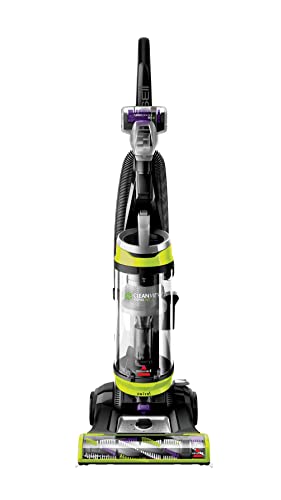
Using a rubber glove can work wonders for removing those stubborn fibers from your seating. Simply put the glove on and run your hand over the affected areas. The static electricity generated will attract the fibers, making it easier to gather and dispose of them.
Adopting a lint roller is another practical method for quick clean-ups. These handy tools can effortlessly pick up fine strands from various surfaces, ensuring your space remains presentable with minimal effort.
Incorporate a damp microfiber cloth into your cleaning routine. Lightly mist the cloth with water and wipe down surfaces; this technique helps to trap particles while preventing them from scattering back into the air.

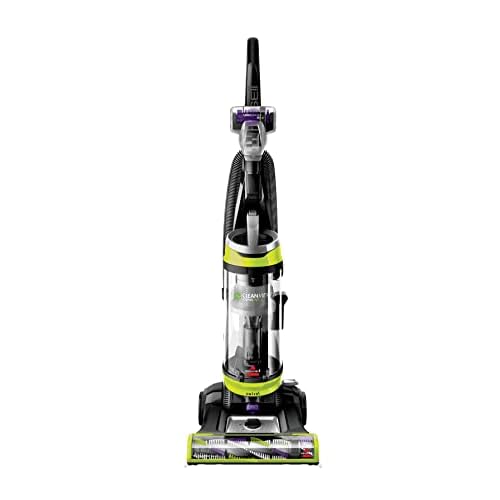

Consider investing in a specialized vacuum attachment designed for tackling this persistent challenge. A vacuum equipped with a pet hair nozzle can efficiently lift stubborn clumps from upholstery and carpets alike, making clean-up a breeze.
Implementing regular grooming sessions for your furry friend can significantly reduce the amount of stray fibers in your living space. Brushing them weekly minimizes shedding, thus keeping your surroundings cleaner and more enjoyable.
Eliminating Pet Fur from Surfaces
Rubber gloves provide a simple yet effective solution. Dampen the gloves lightly and run your hands over the affected areas. The static electricity generated easily attracts and picks up the stray fibers.
Utilizing Sticky Rollers
Sticky rollers are practical for quick clean-ups. Keep one in various rooms for hassle-free maintenance. Just a few swipes across cushions or blankets capture a significant amount of debris.
Cleaning with a Vacuum Attachment
A vacuum with a pet-specific attachment excels at removing embedded fibers. Select the appropriate setting for soft materials and work slowly to ensure thorough coverage, especially in crevices and seams.
Choosing the Right Cleaning Tools for Cat Hair Removal
Selecting appropriate tools simplifies the task significantly. A rubber glove serves as an excellent choice; just dampen it slightly and wipe surfaces, allowing static electricity to attract fibers. This method is quick and effective, particularly on upholstered pieces.
Lint Rollers
Lint rollers are compact and user-friendly. Choose one with strong adhesive sheets, allowing for easy pickup of fur. Opt for a roller with a comfortable grip to expedite the process, especially on larger areas.
Vacuum Cleaners
An efficient vacuum cleaner designed for pet owners can be transformative. Look for models with specialized attachments, such as mini turbo brushes, which effectively tackle stubborn strands. Regular maintenance of the vacuum ensures optimal performance.
Electrostatic dusters can also be beneficial, as they trap debris during sweeping motions without scattering particles, making them perfect for quick cleanups. Experiment with different tools to identify what works best in your specific setting.
Using Lint Rollers: A Step-by-Step Guide
First, ensure you have a high-quality lint roller with strong adhesive sheets. Position the roller within arm’s reach for easy access while working.
Begin by clearly defining your target area. For surfaces like couches or chairs, gently press the roller against the material, applying light pressure. Roll in a straight line, moving from one side to the other. This method captures loose fibers effectively.
Once you’ve covered an area, peel off the top layer of the sheet to expose a fresh adhesive surface. Repeat the rolling process until the surface appears considerably cleaner.
For smaller items, such as cushions or throws, simply lift them and roll underneath. This captures any stray particles that may have settled below.
Occasional maintenance is vital. Regularly roll over high-traffic areas to prevent build-up. Consider storing the roller in visible locations; this encourages consistent use.
Dispose of used sheets responsibly. Many rollers offer recyclable options, contributing to sustainability while keeping the environment clean.
Lastly, remember to check your lint roller periodically for any damage. A worn-out roller will not perform as well, so replace it as needed for optimal results.
Vacuuming Techniques to Minimize Cat Fur
Utilizing the right vacuuming approach significantly reduces the presence of unwanted fuzz in your living area. Here are tailored methods I employ:
- Choose a vacuum with a pet hair attachment: Opt for models specifically designed to tackle pet debris. These typically include brushes and nozzles engineered for effective removal.
- Adjust suction settings: When cleaning upholstered surfaces, lower the suction power. This helps prevent fabric damage while still achieving a deep clean.
- Vacuum in multiple directions: Move the vacuum head horizontally, vertically, and diagonally. This ensures all trapped fibers are dislodged and collected.
- Work in sections: Break down the cleaning area into smaller parts. Focusing on one section at a time enhances the thoroughness of the vacuuming process.
- Use a lint brush attachment: If available, switch to a lint brush on your vacuum for delicate items. It captures loose fibers more effectively without risking fabric integrity.
- Regular maintenance of the vacuum: Clean filters and brushes periodically. Clogged components reduce suction efficiency and hamper overall performance.
- Consider a robotic vacuum: Deploying a robotic cleaner that operates daily can help manage the accumulation of debris, ensuring a continually tidy environment.
Incorporating these techniques into your cleaning routine dramatically improves the cleanliness of spaces shared with furry companions.
Using Rubber Gloves for Quick Cleanup
To tackle unwanted fuzz on surfaces, I recommend slipping on a pair of rubber gloves. By doing so, you create an effective cleaning tool that can attract and lift debris effortlessly.
Moisten the gloves slightly with water for enhanced results. The dampness increases friction, allowing the fibers to grab onto the loose strands better. Next, run your gloved hands over the affected areas using a gentle, sweeping motion.
For stubborn spots, apply a bit more pressure or use your fingertips to massage the area. This technique tends to yield quicker results, especially in corners and crevices.
After gathering the debris into a pile, simply use a cloth or paper towel to collect and dispose of it. Cleaning the gloves is as simple as rinsing them under running water, making this method not only effective but also easy to maintain.
Incorporating this approach into your routine can significantly reduce the presence of loose strands, keeping your living environment tidy and pleasant.
Cleaning Upholstery: Techniques for Various Fabrics
For effective maintenance, different textiles require distinct approaches. Here are tailored strategies for various types of upholstery:
- Leather:
- Use a damp microfiber cloth to wipe down surfaces regularly. Avoid soaking the leather.
- Occasionally, apply a mixture of mild soap and water to remove stubborn residues, followed by a dry cloth.
- Consider a specialized leather conditioner to maintain suppleness.
- Microfiber:
- Employ a vacuum cleaner with a soft brush attachment to capture particles without damaging the fibers.
- Create a solution of equal parts water and white vinegar for spot cleaning. Test on a small area first.
- Use a soft-bristled brush to restore the nap and reduce static cling.
- Fabric Upholstery:
- Vacuum thoroughly using an upholstery nozzle to remove embedded particles.
- Utilize a lint roller for quick touch-ups between deeper cleans.
- If washing instructions permit, launder removable covers according to care labels.
- Velvet:
- Brush gently in the direction of the fibers to lift dust and debris.
- For embedded particles, use a vacuum with a low suction setting.
- Address stains with a mixture of water and a tiny amount of dish soap, using a clean cloth.
- Canvas:
- Utilize a vacuum cleaner to remove loose dirt regularly, especially from seams.
- For applied stains, create a paste of baking soda and water; scrub gently and let dry before brushing away.
- Machine wash if permitted, following care instructions strictly.
Tailoring cleaning methods to the specific material enhances longevity while ensuring a clean environment. Always consider testing any cleaning solution on an inconspicuous area before full application.
Maintaining a Hair-Free Environment: Daily Habits
Incorporating specific routines can significantly reduce the presence of fur. I set aside a few minutes each day for quick cleanups. During my morning routine, I use a damp cloth to wipe surfaces where fur tends to accumulate, such as countertops and shelves. This simple step prevents build-up and saves time later.
Regular Grooming Schedule
I groom my feline regularly, ideally every few days. This not only minimizes loose strands around the house but also promotes a bond between us. Utilizing a good brush helps collect more fur during the grooming session, thereby reducing the amount left behind on my belongings.
Designating a Cleaning Day
I dedicate one day a week for more thorough cleaning activities. This includes vacuuming carpets, upholstery, and sweeping hard floors. Sticking to this schedule ensures I maintain a cleaner space and stay ahead of any potential fur problems.
| Activity | Frequency | Duration |
|---|---|---|
| Surface Wipe Down | Daily | 5-10 minutes |
| Feline Grooming | Every 3 days | 15-20 minutes |
| In-Depth Cleaning | Weekly | 1 hour |
Additional measures like changing bedding weekly and using washable covers on chairs can also aid in managing any stray strands. By instilling these habits, I maintain a cleaner and more inviting living space.
Professional Cleaning Services: When to Consider Them
Engaging expert cleaning services becomes necessary in specific situations. If I find persistent accumulations despite regular maintenance, professionals can provide solutions tailored to unique circumstances. Their experience allows them to employ advanced techniques and specialized equipment not available for home use.
Allergies or sensitivities to allergens amplify the need for professional assistance. Comprehensive cleaning eliminates microscopic particles and ensures a healthier environment. It’s especially beneficial when preparing a home for guests or moving in, as thorough cleaning establishes a welcoming space right away.
Additionally, upholstery materials require specific care to maintain their integrity. When dealing with delicate fabrics, turning to specialists prevents damage while effectively addressing the issue. Their knowledge guarantees that the right products and methods are employed for different textile types.
After major shedding periods, seeking professional services can restore order in living areas swiftly. Their ability to handle large volumes of fur and debris efficiently ensures that I can return to a cleaner environment faster than with DIY methods.
Finally, engaging experts is valuable when time constraints arise. Despite my best efforts, a busy schedule may limit my capacity to manage cleanliness. Delegating this task allows me to focus on other priorities while ensuring that my home remains comfortable and inviting.
FAQ:
What are some simple methods to remove cat hair from furniture?
There are several effective methods to remove cat hair from your furniture. One common approach is to use a lint roller, which can quickly pick up hair from upholstery and surfaces. Another option is a damp cloth or sponge; just rub it over the area to gather hair. Using a vacuum cleaner with a pet hair attachment is also very effective, as it can reach into crevices and corners. Rubber gloves can be handy too; simply put them on and wipe your furniture, as the static charge attracts pet hair. Lastly, consider trying a fabric brush specifically designed for pet hair removal.
How often should I clean cat hair from my furniture?
The frequency of cleaning cat hair from your furniture depends on how much your cat sheds and how often they use the furniture. Generally, it’s a good idea to clean furniture at least once a week. If your cat is a heavy shedder or if you notice hair accumulating quickly, you may want to clean it more often, such as every few days. Additionally, regular grooming of your cat can help reduce shedding and make cleaning easier.
Are there specific products I should use to help with cat hair removal?
Yes, there are various products designed specifically for removing cat hair. Look for lint rollers with strong adhesive sheets or reusable pet hair removal brushes. Some cleaning solutions are formulated to trap pet hair better when mixed with water. Additionally, consider using pet-safe vacuum cleaners with special attachments designed for lifting hair from fabrics. Always check that any product you choose is safe for use around pets.
Does the type of furniture fabric affect the amount of cat hair that sticks to it?
Yes, the type of fabric can significantly influence how much cat hair clings to the furniture. Softer fabrics like velvet or microfiber tend to attract and hold onto hair more than smoother surfaces like leather or synthetic fabrics. If you want to reduce hair accumulation, consider choosing furniture with tightly woven or synthetic materials, as these are often easier to clean. Regular upkeep and choosing the right materials can make a big difference in hair management.
What preventive measures can I take to minimize cat hair on my furniture?
To minimize cat hair on your furniture, regular grooming is key. Brushing your cat frequently will help reduce the amount of loose hair they shed around the house. Additionally, you might consider covering your furniture with washable throws or slipcovers, which can be removed and laundered easily. Creating designated areas for your cat to rest, such as pet beds, can also help keep hair off your furniture. Regular cleaning of the home environment will further help keep cat hair under control.


