Caleb Turner

Mix equal parts of white vinegar and water in a spray bottle. This solution effectively neutralizes unpleasant odors on various surfaces. Spray the affected area generously, and let it sit for about 10 minutes before blotting with a clean cloth. The acetic acid in vinegar breaks down odor-causing substances, leaving behind a fresher environment.
If the scent lingers, sprinkle baking soda directly onto the area. Allow it to sit for several hours or overnight, then vacuum it up. This natural deodorizer absorbs remnants and enhances overall freshness without harsh chemicals.


For more persistent odors, create a paste with water and baking soda. Apply it to the stained spot and let it dry completely before brushing it away. This technique presents a targeted approach to odor removal, ensuring deeper penetration into fibers.
Lastly, consider using enzyme-based cleaners specifically designed for organic stains. These products contain biological agents that break down and eliminate the source of the smell. Follow the manufacturer’s instructions for best results, ensuring thorough contact with the affected area.
Removing Odors from Upholstery
I mix equal parts of white vinegar and water in a spray bottle. Lightly mist the affected area without soaking it. Vinegar neutralizes unpleasant scents effectively.
Once I apply the solution, I let it sit for about 10-15 minutes. This allows the solution to penetrate and work on the odor. Following this, I blot the area with a clean cloth to absorb moisture.
To further eliminate any lingering odors, I sprinkle baking soda over the slightly damp area. Baking soda acts as a natural deodorizer. After a few hours, or ideally overnight, I vacuum the area to remove the baking soda.
If the material allows, I occasionally use enzyme cleaners. These specialized products break down odor-causing substances. I always follow the manufacturer’s instructions for the best results.
Lastly, ensuring proper ventilation in the space greatly aids in odor removal. I open windows and use fans when possible, allowing fresh air to circulate and help dissipate any remaining scent.
Identify the Affected Area on Your Furniture
Begin by inspecting the surface for any discoloration or dampness, as these indicators reveal where the issue resides. Gently press the material with your fingers to detect any moisture lingering beneath the surface.
Methods for Detection
Utilize a UV flashlight to illuminate the affected sections, as fluids may fluoresce under specific light, allowing easy identification. Alternatively, sniff the vicinity to localize the source. Look for areas where your pet frequently rests or plays, as these spots are more likely to be compromised.
Texture and Material Considerations
Assess the texture; porous materials absorb liquids, while smoother surfaces may require different handling. Each fabric reacts differently; leather, for instance, may need more care to avoid damage during treatment. Knowing the characteristics of your furniture aids in applying the right approach for cleaning and deodorizing.
Gather Necessary Cleaning Supplies
To effectively tackle the issue, I gather the following items: enzyme cleaner, white vinegar, baking soda, and a spray bottle. The enzyme cleaner breaks down the substances causing the problem and neutralizes odors. White vinegar works as a natural deodorizer; I mix it with water in a spray bottle. Baking soda, known for its absorptive properties, can be sprinkled on surfaces after cleaning.
I also keep a clean cloth or sponge handy for application. Depending on the material, a vacuum might be necessary for a thorough finish. Gloves protect my hands from unpleasantness and cleaners. Finally, having a soft brush can help work the solution into the fabric or material, ensuring deeper treatment.
Apply Cleaning Solution to Eliminate Odor
I begin by choosing a suitable cleaning solution. A mixture of white vinegar and water in equal parts is effective for neutralizing unpleasant scents. Depending on the severity of the issue, I may add a few drops of dish soap to the mix for enhanced cleaning power.
Next, I pour the solution into a clean spray bottle for easy application. Holding the bottle about 6 inches away from the targeted area, I lightly mist the surface without saturating it. This ensures that I do not damage the upholstery or wood finish.
I allow the cleaning agent to sit for at least 10-15 minutes. This dwell time is crucial, as it gives the solution a chance to penetrate and break down any lingering organic matter responsible for the odor.
After the wait, using a clean cloth or paper towel, I gently blot the area to lift away the solution along with any residue left behind. If applicable, I repeat this process until the scent has significantly diminished.
To complete the process, I air out the area by opening windows or utilizing a fan. This step helps to further circulate air and assists in the dissipation of any remaining odors.
Utilize Baking Soda for Odor Absorption
Sprinkling baking soda directly onto the affected area is a straightforward method to combat persistent odors. I recommend applying a generous amount, ensuring complete coverage. Allow it to sit for several hours, or ideally overnight, to effectively absorb the unwanted scents.
Vacuuming and Residue Removal
After the baking soda has had time to work, vacuum the area thoroughly. This not only removes the baking soda but also lifts any particles that may be contributing to the odor. A handheld vacuum may help in reaching into crevices where residues are likely to accumulate.
Reapplication for Stubborn Odors
If lingering odors remain, repeating the process can be beneficial. A second application of baking soda can further reduce any remaining scent. Always ensure that the area is completely dry before reapplying any solutions or baking soda to maximize effectiveness.
Ensure Proper Drying to Prevent Lingering Odors
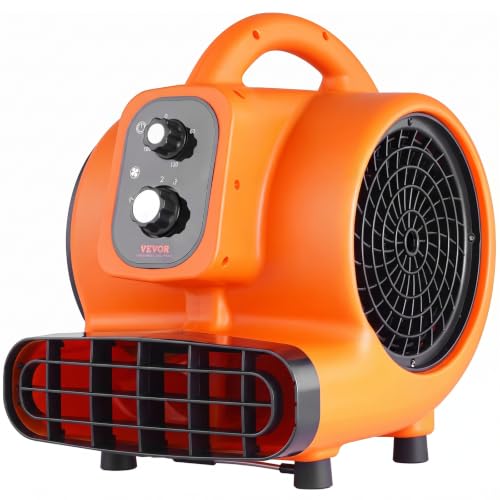
After treating the surfaces exposed to liquid, it’s essential to focus on thorough drying. I’ve found that using a fan or dehumidifier can significantly expedite this process. Aim to circulate air efficiently, especially in enclosed areas where moisture can linger unnoticed.
Methods for Effective Drying
| Method | Description |
|---|---|
| Air Drying | Open windows and doors to allow fresh air to flow. This method works well on warm, dry days. |
| Fan | Position a fan directed at the affected area to enhance evaporation of moisture. |
| Dehumidifier | Utilize a dehumidifier in a closed space to absorb excess moisture quickly. |
| Towels | Blot the area with dry towels to soak up any remaining liquid before initiating air circulation. |
Additionally, checking the surfaces periodically ensures that they dry completely, as even a small amount of leftover moisture can cause smells to resurface. Once the area feels dry to the touch, you can feel more confident that odors won’t return. It may take some time, but the patience invested during the drying phase pays off with a fresher environment.
Maintain Preventative Measures for Future Incidents
First, I invested in high-quality waterproof covers for my furniture. They are easy to clean and provide a protective barrier.
- Choose furniture materials that are less absorbent, such as leather or synthetic fabrics.
- Regularly apply enzyme cleaners to maintain freshness and tackle any potential stains before they set.
- Consider placing deterrents in areas where accidents have occurred, as these can help discourage future incidents.
An important aspect of my strategy is consistent training. I worked on reinforcing positive behavior in my pets, rewarding them when they go outside to relieve themselves.
Establish a Designated Relief Area
I created a specific spot outdoors where my pets can relieve themselves, encouraging them to use this area regularly. This made it clear to them where they are expected to go.
- Use positive reinforcement to guide them to this area.
- Supervise them during playtime to prevent indoor accidents.
Finally, routine cleaning of both the designated areas and surfaces in my home helped eliminate lingering odors. This proactive approach made a significant difference in maintaining a fresh environment.
FAQ:
What are the best cleaning solutions to remove dog urine smell from furniture?
The most effective cleaning solutions include a mixture of white vinegar and water, enzyme-based cleaners, and baking soda. For example, combining equal parts of white vinegar and water can help neutralize the odor. Enzyme cleaners work by breaking down the urine proteins that cause the smell. After cleaning, sprinkle baking soda on the area and let it sit for a few hours before vacuuming to absorb any remaining odors.
How can I prevent my dog from urinating on furniture in the future?
To prevent future incidents, consider training your dog to establish proper bathroom habits. Regularly take your dog outside to relieve itself and reward them with praise or treats. Also, consider using deterrent sprays on furniture that your dog finds appealing. Creating a designated space for your dog to relax, along with consistent reinforcement of good behavior, can help avoid accidents indoors.
Will regular cleaning products eliminate the urine smell from my couch?
Regular cleaning products may not effectively neutralize the urine smell because they often just mask odors rather than eliminate them. To truly remove the smell, look for products specifically designed to tackle pet odors, such as enzyme-based cleaners. These formulas break down the urine compounds, making it easier to eliminate both the stain and the smell from the fabric.
How do I know if I have completely removed the urine smell from my furniture?
To check if the odor has been fully removed, use your sense of smell after cleaning. If the smell persists, it may need further treatment. Another way to test is by using a black light; urine stains glow under UV light. If you see any glowing spots, those areas may still contain urine and require additional cleaning steps before the odor is eliminated.
Can I use a steam cleaner to get rid of the dog urine smell from upholstery?
Using a steam cleaner can be effective, but it’s important to first apply a suitable cleaner designed for pet odors. The heat from the steam can help lift away stains and odors. However, ensure that your upholstery is compatible with steam cleaning, as some fabrics may be damaged by high heat or moisture. Always check the manufacturer’s guidelines before proceeding.
What are the best methods to remove dog urine smell from furniture?
To effectively remove dog urine smell from furniture, you can use several household items. One popular method involves using a mixture of white vinegar and water. Combine equal parts of both in a spray bottle and generously spray the affected area, allowing it to sit for about 10-15 minutes before blotting it with a clean cloth. Another effective solution is to use baking soda. After treating the area with vinegar, sprinkle baking soda over it and let it sit for several hours or overnight, then vacuum it up. Enzymatic cleaners specifically designed for pet odors are also a great option, as they break down the urine proteins that cause the smell.
How can I prevent my dog from urinating on furniture in the future?
Preventing your dog from urinating on furniture requires consistent training and establishing a routine. Start by taking your dog outside frequently to reinforce the idea that outside is the appropriate place to relieve themselves. Use positive reinforcement, such as treats and praise, when they do their business outside. If your dog has an accident indoors, clean it thoroughly to eliminate lingering odors that might attract them back to the same spot. Additionally, consider restricting access to certain furniture until your dog is fully house-trained, and provide them with suitable alternatives, such as designated potty areas or puppy pads. Regular exercise and mental stimulation can also help reduce anxiety and prevent accidents indoors.