
 Caleb Turner
The quickest solution I recommend involves mixing equal parts of white vinegar and water in a spray bottle. Lightly mist the affected area, ensuring not to soak it. After a few minutes, blot the surface with a clean cloth to absorb the liquid. This method effectively neutralizes unwanted fragrances.
For stubborn residues, employing baking soda is highly effective. Sprinkle a generous amount over the area and allow it to sit for several hours, or overnight if possible. The baking soda will absorb lingering odors. Carefully vacuum the area afterward to remove the powder.
If the issue persists, creating a solution with dish soap and warm water can assist in freshening up the material. Use a soft cloth to gently scrub the surface, then rinse with a damp cloth. Ensure any moisture is thoroughly dried to prevent mildew.
Identify the Type of Fabric for Proper Cleaning
First, determine whether the material is natural or synthetic. Cotton and linen fabrics are generally easier to clean and can withstand various cleaning solutions. If the piece is made from polyester or nylon, use a gentler method to avoid damaging the fibers.


Test for Colorfastness
Before applying any cleaning solution, conduct a colorfastness test. Dampen a hidden area with water and apply a small amount of your cleaning agent. If the color bleeds or fades, opt for a mild soap or vinegar solution instead.
Check Care Labels
Always refer to care labels. They provide specific instructions regarding washing, drying, and cleaning methods suitable for the fabric. Following these guidelines can prevent further damage and ensure a successful cleaning process.
Use Baking Soda to Absorb Odors
I begin by sprinkling a generous amount of baking soda directly onto the affected area. This natural deodorizer works wonders in neutralizing unpleasant scents. Allow it to sit for several hours or overnight for maximum absorption.
After the waiting period, I gently vacuum the area, ensuring all the baking soda is removed. This step not only cleans the surface but also lifts away any trapped residues responsible for lingering odors. If necessary, I repeat this process to fully eliminate any remaining fragrances.
For stubborn cases, I create a paste using baking soda and a small amount of water, applying it to the fabric. I let it dry completely before brushing it off or vacuuming. This technique breaks down and absorbs even deeper-set odors.
Apply Vinegar Solution for Deeper Cleansing
Mix equal parts of white vinegar and water in a spray bottle for an effective deodorizing solution. Lightly mist the affected area without soaking the fabric, as excess moisture can lead to mold growth. Allow the mixture to sit for about 15-30 minutes to penetrate materials.
Post-Cleaning Steps
After the vinegar solution has set, blot the area with a clean cloth to absorb any moisture. Follow up with a gentle rinse using a cloth dampened with plain water to remove any leftover vinegar residue. Ensure proper ventilation by opening windows or using fans to help with drying.
Repeat if Necessary
If the odor persists, repeating the vinegar treatment may be necessary. For stubborn scents, I sometimes leave the solution on for a longer duration, checking the fabric’s resilience first to avoid damage. Always test on an inconspicuous area prior to full application.
Clean with Commercial Odor Removers
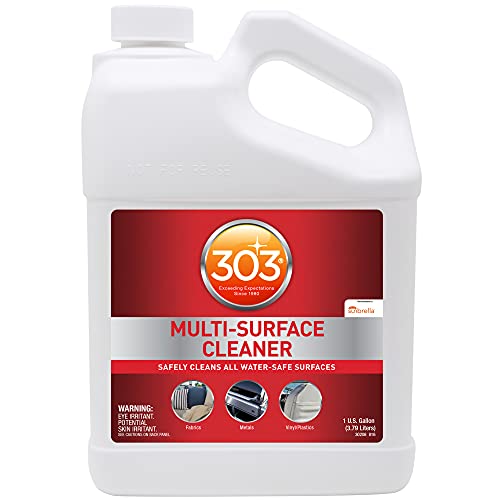
Utilizing specialized odor eliminators can greatly assist in refreshing surfaces tainted by strong aromas. I recommend targeting products that are specifically designed for fabric and upholstery to ensure safe and efficient use.
Choosing the Right Product
Select commercial products labeled as enzyme-based, as they effectively break down odor-causing compounds. Look for options that indicate suitability for your specific type of material to avoid damage.
Application Tips
- Before using, test the product on a small, inconspicuous area to ensure compatibility.
- Follow the manufacturer’s instructions regarding the amount and method of application.
- Allow sufficient time for the product to work–often, letting it sit for at least 30 minutes yields the best results.
For persistent issues, repeat the application or combine it with baking soda for an enhanced effect. This combination can amplify the neutralizing properties of each substance, addressing even the strongest odors effectively.
Air Out Furniture in a Well-Ventilated Area
Place the item outdoors or in a room with plenty of airflow. Open windows and doors to promote circulation and reduce any lingering fragrances. If possible, position the piece in direct sunlight, as UV rays can help neutralize odors.
Optimal Locations for Ventilation
Choose areas that are not overly humid to prevent moisture from settling in the fabric. Avoid placing near cooking areas or spots where strong odors may accumulate.
Duration of Airing
| Material Type | Recommended Airing Time |
|---|---|
| Cotton | 2-4 hours |
| Leather | 1-2 hours |
| Synthetic Fabrics | 3-6 hours |
| Upholstery | 4-8 hours |
Check periodically to assess the progress. If needed, repeat the airing process for more stubborn odors. Combining airflow with other cleaning methods enhances effectiveness.
Utilize essential oils to mask residual odors
I recommend experimenting with essential oils to cover lingering unwanted scents. Choose oils like lavender, lemon, or eucalyptus, which are known for their refreshing properties. Mix a few drops of your selected oil in a spray bottle filled with water, and lightly mist the area. This approach allows you to create a pleasant aroma that can distract from any remaining unpleasant odors.
You can also soak cotton balls in essential oils and place them in inconspicuous areas near the affected piece. This method gradually releases the fragrance into the environment, providing a continuous masking effect. Keep in mind to refresh the cotton balls every few days to maintain the intensity of the scent.
If you prefer a more concentrated aroma, consider using a diffuser. Simply add water and a few drops of your favorite essential oil, and let the diffuser work its magic. This not only creates a delightful ambiance but can also significantly improve the overall atmosphere of the space.
Always test a small, hidden section of the material with any essential oil mixture first. Some fabrics may react differently, and it’s crucial to ensure no damage occurs.
This method enhances the environment while tackling residual unwanted scents effectively.
Check for and treat stains on the surface
I recommend inspecting the surface for any noticeable blemishes. Use a clean, white cloth to gently blot the area, avoiding scrubbing to prevent further damage. If discoloration is present, treat it immediately with a suitable cleaning solution based on the fabric type.
For upholstery, I find that a mild detergent mixed with water works wonders. Apply it to the stain using a soft brush, ensuring not to saturate the fabric. Rinse the area with a damp cloth to eliminate any soapy residue. For wooden surfaces, mix equal parts of vinegar and water, applying the solution with a cloth to lighten or remove the stain.
After treating, ensure that the area dries thoroughly to prevent mold growth. A fan can expedite the drying process. If stains persist after initial cleaning, repeat the treatment, or consider using a commercial stain remover appropriate for the specific material.
Regular maintenance and quick action on spills significantly reduce the risk of lingering marks and odors.
Repeat Treatments as Necessary for Complete Removal
Persistence is key. I often find that one application isn’t enough to fully eliminate stubborn aromas from upholstery or other surfaces.
After the initial treatments, I recommend the following steps:
- Inspect the area carefully for any remaining scent.
- If needed, reapply the baking soda, letting it sit for longer durations–up to 24 hours if feasible.
- Consider enhancing the vinegar solution by adding a few drops of dish soap to improve its effectiveness on deeper residues.
- For commercial odor neutralizers, follow the product guidelines and apply a second round if the first application didn’t yield satisfactory results.
- In cases where residual notes linger, repeating the airing out procedure can significantly help; fresh air can work wonders.
Always monitor results after each treatment to determine the need for additional applications. This strategic approach has proven valuable in achieving thorough freshness over time.
FAQ:
What methods can I use to remove curry smell from my furniture?
To eliminate curry smell from furniture, you can try several methods. First, sprinkle baking soda over the affected area and leave it for a few hours to absorb the odor. Then, vacuum it up. White vinegar is another option; mix equal parts water and vinegar, apply it to a cloth, and wipe down the furniture. For upholstered items, you may need to use a steam cleaner or hire a professional cleaner. Ensure to test any solution on a small, hidden area first to avoid damage.
How long does it usually take to completely get rid of curry odor from furniture?
The time required to remove curry odor from furniture can vary based on the severity of the smell and the method used. Baking soda can take a few hours to overnight, depending on how long you leave it on. For vinegar and other cleaning solutions, you might notice results after one cleaning session, but persistent odors may require multiple treatments. In cases where professional cleaning is involved, it may take a few days to see full results, especially if the cleaning includes drying time.
Are there any natural remedies to combat curry smell in furniture?
Yes, there are several natural remedies you can use to combat curry smell in furniture. Baking soda is highly effective; simply sprinkle it over the area, let it sit, and vacuum afterward. Activated charcoal can also absorb odors; place some in a bowl near the smelly area. Another option is to leave bowls of white vinegar or coffee grounds in the vicinity, as both can help neutralize smells. Always check for any potential reactions with your specific furniture materials before applying these remedies.
Should I consider professional cleaning services for tough curry smells, and how do I find a reliable one?
If the curry smell persists despite your cleaning efforts, it might be wise to consider professional cleaning services. Look for companies that specialize in upholstery or furniture cleaning, as they will have the right tools and knowledge. You can find reliable cleaners through online reviews, asking for recommendations from friends, or checking local listings. Always check if they have experience with the type of material your furniture is made of, and ask about their methods to ensure they will effectively handle the odor.


