
 Caleb Turner
I recommend taking detailed photographs of each piece before you start taking it apart. This will serve as a visual guide to help you remember how everything fits back together in your new place. Make sure to clean the surfaces thoroughly while you work; it’s an excellent opportunity to eliminate dust and debris.
Gather the right tools before getting started. Most items can be taken apart using a simple screwdriver, an Allen wrench, or a drill. Keep these tools organized and within reach to avoid interruptions during the process. Having ziplock bags for screws and small components is a smart way to ensure that nothing gets lost.
Always check for hidden screws or fasteners that may not be immediately visible. Many manufacturers design pieces with these in mind to maintain aesthetics. If something seems stuck, avoid excessive force; instead, inspect for any hidden fixtures you might have missed. Once disassembled, label each part, especially if you’re dealing with complex items, to simplify reassembly later.


Steps to Take Apart Your Furniture
Begin with removing any loose components; this includes cushions, covers, or detachable sections. For items like chairs and sofas, pull off the fabric covers if possible.
Next, locate the screws, bolts, or dowels. Often, they are found at junction points. Use the appropriate tools, such as a screwdriver or an Allen wrench, to take them out. Keep these small pieces in a labeled bag to prevent loss.
Label Each Part
As disassembly occurs, label each section either with tape or directly on the components. A numbering system can help during reassembly, making the process smoother.
Safely Store and Transport Pieces
Wrap larger items in moving blankets or bubble wrap for protection. Use boxes for smaller parts. Ensure that fragile components, such as glass tops, are securely placed to avoid breakage.
Gather Necessary Tools for Dismantling
To ensure a smooth process, I gather specific tools ahead of time. These tools significantly expedite the task and reduce the risk of damage. Start with a basic toolkit that includes a screwdriver set, which allows for both Phillips and flathead screws. A power drill can be beneficial for tackling larger screws more efficiently.
Additional Tools to Consider
In addition to the screwdriver set and power drill, I find a wrench set to be quite handy, specifically for bolts and nuts. A rubber mallet helps to gently tap parts apart without causing damage. Measuring tape ensures that I have accurate dimensions for the components I’m disassembling, making the process easier. Lastly, organizing containers or zip bags for screws and small hardware keeps everything in one place and prevents loss.
Safety Items
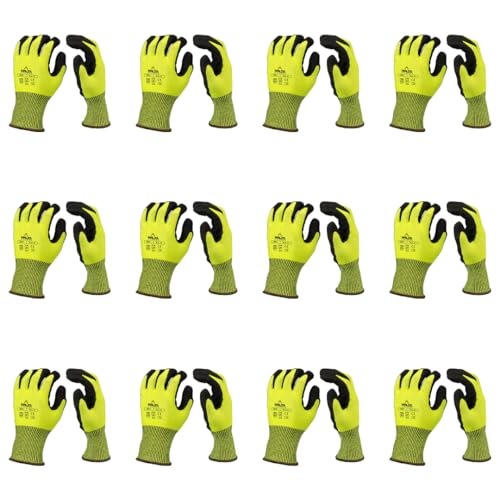
Protective gloves are a good idea when handling sharp edges or heavy items. A first aid kit nearby provides reassurance in case of minor injuries. By gathering these tools and safety items, I prepare effectively for the task at hand.
Remove and Label Hardware for Easy Reassembly
To ensure a smooth reassembly, I always prioritize removing hardware systematically. Start by gathering small containers or resealable bags. As I take apart each section, I place all screws, bolts, and nuts into these bags, labeling each one according to its corresponding part. This method eliminates confusion later.
Labeling Techniques
Using a permanent marker, I write the name of the piece and its location on each bag. For example, “Chair leg screws” or “Buffet top bolts” make it clear which hardware belongs together. I also attach a small piece of masking tape to the area from where the hardware is removed, noting any specific instructions or order of assembly.
Documenting Assembly Steps
In cases with complex setups, I like to take photos during the process. A quick snap of each step helps jog my memory during assembly. This visual guide, combined with labeled hardware, makes reassembly straightforward and efficient.
Disassemble Beds and Mattresses Safely
Begin with removing all bedding and mattress protectors. This ensures a clean and manageable process. Next, assess the components of the bed frame.
- Utilize a screwdriver or hex key to detach any side rails from the headboard and footboard. Pay attention to the screws; place them in a labeled bag for convenience later.
- For beds with slats, gently lift each slat out of the frame. If they are secured, unscrew or unclip them as needed.
- When handling metal frames, ensure you have a second person available. These frames can be cumbersome.
For boxed springs, lift them off the frame carefully to prevent any accidents. Wrap them in moving blankets to safeguard them during transport.
Mattresses require special care. Ensure the mattress is clean and dry. Roll or fold it according to the manufacturer’s instructions, if necessary. Use straps to keep it secured during the journey.
Label each piece clearly, especially if the bed design involves multiple components. This approach simplifies reassembly in the new location.
Take Apart Larger Items Like Sofas and Cabinets
Begin with cushions and removable covers. Most sofas allow you to separate these easily, making the pieces lighter and less cumbersome.
Steps for Sofas
1. Check for any screws or bolts under the sofa. Use a screwdriver or wrench to remove them carefully.
2. Look for hidden fastenings, often located within the couch frame or underneath. Gently pull apart sections after they are unscrewed.
3. For sectional sofas, identify how sections connect and unfasten clips or brackets.
4. Wrap each piece in furniture pads to protect upholstery during transport.
Steps for Cabinets
1. Empty all items within the cabinet to reduce weight. This makes it easier to handle and prevents damage to contents.
2. Remove shelves by lifting them out or unscrewing any brackets holding them in place.
3. Detach doors by unscrewing hinges, ensuring you keep screws organized in labeled bags.
4. If the structure is secured to the wall, locate and remove any wall anchors before disconnecting from the wall.
| Type | Parts to Remove | Special Considerations |
|---|---|---|
| Sofa | Cushions, Legs, Frame Bolts | Check for hidden storage compartments |
| Cabinet | Shelves, Doors, Wall Fastenings | Ensure all items are removed before disassembling |
Using specific instructions and a systematic approach vastly simplifies the task. Ensure you have the right tools on hand and methodically secure and label all pieces removed, making reassembly straightforward.
Wrap and Protect Individual Pieces During the Move
Begin with a layer of bubble wrap or moving blankets around each item. For glass or delicate surfaces, I ensure extra padding, using cardboard or thick blankets for added protection. Secure the wrapping with packing tape, being careful not to apply it directly to wood or fabric to avoid damage. Use corner protectors or foam inserts for items with edges to prevent chipping.
For smaller components, such as shelves or drawers, wrap them individually and place them inside boxes; label these boxes to simplify unpacking. I often use zippered bags for screws and fittings, marking them with the corresponding furniture piece to avoid confusion later. Consider adding a layer of plastic wrap for items that may shift during transit.
When loading my vehicle, I place heavier pieces at the bottom and lighter ones on top, ensuring everything is stable and secured with straps or ropes to minimize movement. This care in wrapping and securing helps maintain the integrity of each item during transit.
Keep an Inventory of Disassembled Items
During the process of taking apart pieces, I maintain a detailed list of each item. I create a spreadsheet or a simple document noting the name of the item, its components, and any specific details, like measurements or unique features. This way, I can easily track everything without confusion.
For labeling, I assign a reference code to each part, which I also write on the parts themselves or their respective bags. This helps streamline the reassembly phase. I keep notes on any special reassembly instructions unique to certain items, such as the order of assembly or tools needed.
To prevent loss, I store small items–like screws, nails, and brackets–in clearly marked bags, using zip-locks or small containers. I also group related parts together for quick access during reassembly. Arranging the components by the room they belong to can further facilitate the setup in the new space.
Reviewing my inventory regularly ensures no piece is missed or misplaced, making the entire relocation process significantly smoother. This attention to detail pays off, particularly when dealing with more complex items that require careful handling and assembly.


