
 Caleb Turner
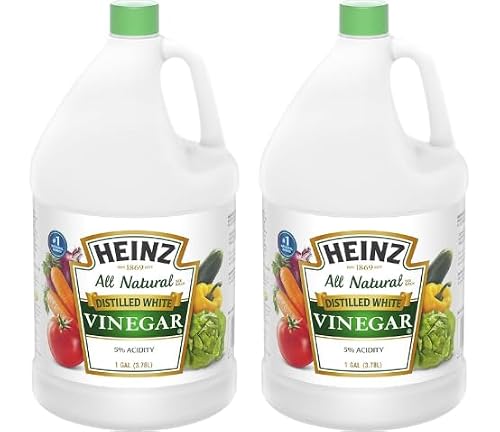
I recommend mixing equal parts of a distilled liquid and water for an effective approach to rejuvenating your beloved surfaces. Apply this mixture with a soft cloth, ensuring to aim for a gentle touch to maintain the integrity of the finish. This method not only eliminates dirt but also brings back the natural luster of the grain.
For stubborn stains, consider increasing the concentration slightly, while still maintaining a balance to avoid any potential damage. Allow the mixture to sit on the affected area for a few moments before gently wiping it away. It’s crucial to follow this with a dry cloth to prevent moisture from seeping into the wood.
If you encounter areas with build-up, using a small amount of baking soda in conjunction with your mixture can create a gentle paste. This can effectively tackle those tough spots without harsh scrubbing, which may harm the finish. Rinse with a damp cloth afterward to ensure all residues are removed.


Regular maintenance is key; utilizing this mixture weekly can help keep surfaces in impeccable condition, protecting them from more extensive wear over time. By adopting this routine, you can ensure your pieces remain beautiful and well-preserved for years to come.
Cleaning Method Utilizing Vinegar
For optimal results, I combine equal parts of distilled liquid and purified water in a spray bottle. This solution creates an effective agent for tackling surface grime without harming finishes.
Employ a microfiber cloth to apply this mixture, ensuring gentle circular motions to lift dirt without scratching. Always test a hidden area first to confirm compatibility with the surface.
If sticky residue persists, I prepare a thicker paste using baking soda and the acidic liquid. Gently rub the paste onto the affected spots, then wipe clean with a damp cloth. Rinse thoroughly to avoid any residue buildup.
Maintain luster by occasionally wiping down with a dry cloth after cleaning to remove excess moisture that may dull surfaces over time.
Here’s a quick overview of the preparation and application:
| Steps | Details |
|---|---|
| Mixing the Solution | Combine equal parts of distilled liquid and water. |
| Application | Use a microfiber cloth in gentle circular motions. |
| Sticky Residue Treatment | Apply a paste of baking soda and the acidic liquid, rub gently, then wipe clean. |
| Finishing Touch | Wipe with a dry cloth to remove excess moisture. |
Choosing the Right Type of Vinegar for Wood Cleaning
Opting for white distilled vinegar is my go-to choice. It has a high acidity level, making it efficient for dissolving grime without leaving strong residues.
Apple cider vinegar offers a pleasant aroma and contains natural oils that can enhance the luster of surfaces. However, it’s slightly less potent than its white counterpart.
Red wine vinegar can be tempting due to its body and fragrance, but I recommend avoiding it, as it may stain lighter surfaces.
Throughout my experience, choosing a vinegar with at least 5% acetic acid is vital. This ensures maximum effectiveness while maintaining the integrity of the finish.
Always remember to test any vinegar solution on an inconspicuous area first. This prevents any unexpected reactions or damage to the finish of the piece I’m working on.
Preparing the Cleaning Solution: Vinegar and Water Ratio
The optimal mixture for maintaining surfaces comprises a 1:1 ratio of vinegar to water. This balance provides an excellent cleaning agent without overpowering the natural finish.
Mixing Instructions
In a clean spray bottle, combine equal parts of white vinegar and distilled water. For example, if using one cup of vinegar, add one cup of water. Shake the bottle gently to ensure thorough mixing.
Storage and Usage
Store the solution in a cool, dark place to preserve its effectiveness. Before applying it to any surface, test a small, inconspicuous area to ensure compatibility with the specific finish. Mist the solution on the surface and wipe gently using a microfiber cloth for optimal results.
Testing the Vinegar Solution on a Hidden Area
Before applying the cleaning mixture to the entire surface, I recommend testing it on a less visible section. This will help ensure no discoloration or damage occurs.
Follow these steps for an effective test:
- Choose a discreet spot, like the back or underside of a piece.
- Apply a small amount of the solution using a soft cloth.
- Gently rub the area for a few seconds, monitoring for any reactions.
After a few minutes, check for:
- Color changes in the finish.
- Peeling or cracking of the surface.
- Any sticky residue left behind.
If the test area looks good, it’s safe to proceed. If issues arise, consider altering the ratio or trying a different cleaning agent.
Applying the Vinegar Solution to Different Finishes
For a successful application, first identify the type of finish on the surface. For oiled finishes, I use a diluted mixture in a 1:1 ratio. This gentle approach prevents stripping the oil while providing effective cleansing. A soft cloth slightly dampened with the solution works best; excess moisture should be avoided to ensure the wood remains intact.
In cases of polyurethane finishes, I mix vinegar with warm water in a 1:2 ratio. This strength is sufficient to remove grime without risking damage. I lightly rub the area in the direction of the grain using a microfiber cloth, ensuring any residue is swiftly wiped away. Take care not to soak the fabric.
Addressing Stained Surfaces
Stained finishes may require extra attention. Here, I prepare a solution of equal parts vinegar and baking soda for added abrasion. Testing in an inconspicuous spot is crucial to confirm compatibility. If the stain holds strong, I use a circular motion to gently buff away without applying too much pressure, as this could alter or damage the finish.
Handling Unfinished Wood
If the furniture is untreated or raw wood, a vinegar solution should be significantly diluted, typically at a ratio of 1:4. Applying this way helps remove dirt while ensuring the fibers of the wood remain unharmed. I always finish with a clean dry cloth to absorb any excess moisture, which is vital in preventing warping over time.
Using Microfiber Cloths for Optimal Cleaning Results
For optimal results, I prefer microfiber cloths due to their unique properties. These fabrics are both soft and highly absorbent, making them ideal for tackling various surfaces without causing scratches.
When I choose a microfiber cloth, I focus on a few key points:
- Material Quality: Selecting high-quality microfiber ensures better durability and performance.
- Weave Structure: A tighter weave captures dust effectively, which is critical for thorough maintenance.
- Size: I often opt for larger cloths, as they cover more area and reduce the time spent on cleaning tasks.
For application, I recommend the following steps:
- Dampen the cloth lightly with the cleaning solution, ensuring it’s not overly wet.
- Wipe in the direction of the grain, which helps to lift dirt and grime without damaging the finish.
- Use a dry section of the cloth or a separate dry cloth for polishing after the initial wipe-down.
I find that keeping a few dedicated microfiber cloths for different tasks enhances efficiency. Using separate cloths for dusting, applying solutions, and polishing prevents cross-contamination and maintains cleanliness. Regular washing of these cloths extends their lifespan, ensuring they continue to perform at their best.
Removing Stubborn Stains from Wood Furniture with Vinegar
For stubborn marks, I mix equal parts of water and white distilled acid. This solution effectively penetrates tough blemishes without damaging the surface. By dampening a microfiber cloth with this mixture, I gently rub the affected area in a circular motion.
Tackling Specific Types of Stains
For water rings, I apply the solution directly to the stain and immediately wipe it away. This method reduces the moisture in the ring without allowing it to spread. For grease spots, a more concentrated application works wonders; I let the solution sit for a few minutes to dissolve the greasy residue before wiping it clean.
Using Baking Soda for Extra Tough Stains
In cases where a stain remains after treatment, I create a paste of baking soda and water. I gently massage this paste onto the stain using a soft cloth. Once I’ve treated the area, I rinse it lightly with my vinegar solution and follow up with a dry cloth to remove any residue.
Tips for Maintaining Clean Wood Furniture After Vinegar Treatment
To preserve the shine after using a vinegar solution, I apply a thin layer of natural beeswax once the surface is dry. This creates a protective barrier, enhancing the luster.
Regular dusting with a soft, dry cloth prevents buildup that can dull the finish. I find using a microfiber cloth captures dust effectively without scratching.
Applying a polish specifically designed for natural finishes can restore and elevate the appearance. I recommend doing this every few months for best results.
Keeping the environment humid helps prevent cracking or warping. I use a humidifier during dry seasons to maintain optimal moisture levels.
Avoid placing hot objects directly on the surface. Using coasters or placemats can prevent heat damage and discoloration.
When spills occur, I wipe them immediately with a soft cloth. Delaying action can allow moisture to penetrate deeper layers.
For ongoing care, I utilize a solution of olive oil and lemon juice occasionally to maintain vibrancy. A simple ratio of 3:1 works well, applying with a soft cloth and buffing to shine.
FAQ:
Can vinegar damage wood furniture?
Vinegar is an acidic substance, and while it is effective in cleaning, using it in high concentrations or not diluting it can potentially damage wood finishes. It may strip the protective layers and lead to deterioration over time. It’s advisable to use a diluted solution of vinegar and water (usually one part vinegar to three parts water) to minimize any risk to your furniture.
What is the best way to clean wood furniture with vinegar?
The best method to clean wood furniture with vinegar involves creating a solution of equal parts water and white vinegar. First, dust the furniture to remove debris. Then, apply the solution to a soft cloth and wipe down the surface gently. After cleaning, it’s a good practice to go over the surface with a dry cloth to remove excess moisture and prevent water damage. For surfaces with sticky residues, let the solution sit for a minute before wiping it off.
Is it safe to use vinegar on antique wood furniture?
Using vinegar on antique wood furniture requires caution. The acidity of vinegar can potentially harm old finishes, which are often more delicate than modern ones. It’s recommended to test the vinegar solution on a hidden area first and to use it sparingly. Alternatively, consider using a specialized cleaner designed for antiques to avoid any adverse effects.
How often should I clean my wood furniture with vinegar?
Cleaning wood furniture with vinegar can be part of a regular maintenance routine, but it’s best to limit this to every few months or as needed based on the environment or usage. Frequent use of vinegar might wear down the finish. For regular dusting, a dry or slightly damp cloth is usually sufficient to keep wood furniture looking good. If you notice stains or sticky residue, then a vinegar solution can be used more frequently for those specific areas.
Can vinegar help remove scratches from wood furniture?
Vinegar itself does not directly remove scratches from wood furniture. However, some suggest combining vinegar with olive oil to create a mixture that may help conceal minor scratches. The oil nourishes the wood while the vinegar cleans it. After applying the mixture, rub it into the scratches gently and wipe off any excess. For deeper scratches, a wood filler may be more appropriate.


