
 Caleb Turner
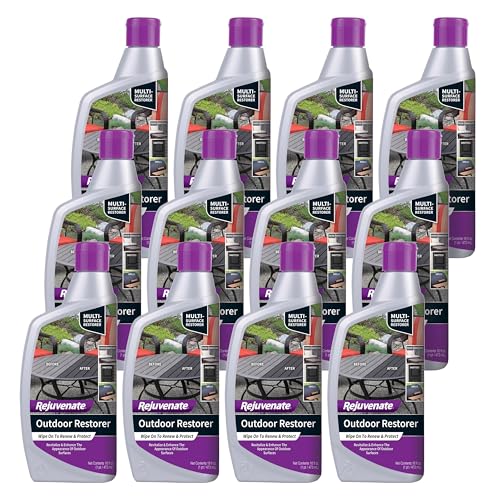
Mix equal parts of water and white vinegar in a spray bottle to tackle stubborn stains on your seating and tables made from various materials. This solution works effectively without harsh chemicals, making it safe for frequent use.
For metal structures, a soft cloth paired with soapy water can eliminate grime without causing scratches. Rinse thoroughly with a garden hose to avoid soap residue, which can attract dirt.


If your items are crafted from plastic, use a magic eraser or a paste made of baking soda and water to lift any marks or discolorations effortlessly. Apply gently to avoid scratching the surface, then rinse afterward.
Wooden pieces require a different approach: opt for a mixture of warm water and mild detergent. Scrub with a soft brush, ensuring not to soak the wood, which can lead to damage. Following the wash, allow them to air dry in the shade to prevent warping.
Lastly, consider applying a protective sealant once your items are spotless and dry. This step enhances their resilience against the elements, keeping them looking pristine for longer.
Cleaning Tips for Your Outdoor Seating and Tables
For a quick refresh, I prefer using a solution of mild dish soap and warm water. This mix works wonders on surfaces, removing dirt and grime effortlessly.
- Use a soft sponge or cloth; avoid abrasive materials that could scratch.
- For stubborn stains, I create a paste from baking soda and water, applying it directly to the area, letting it sit for a few minutes before wiping clean.
For wooden pieces, a specialized wood cleaner or a mixture of vinegar and oil can restore shine. I apply it using a soft cloth and follow the grain for better results.
- After cleaning, I use a dry towel to wipe away excess moisture.
- A protective sealant can be applied annually to prolong the life of wooden surfaces.
For metal components, I suggest checking for rust. If found, a rust remover or a mixture of vinegar and baking soda can effectively eliminate it. Rinse thoroughly after application.
- For aluminum or stainless steel, a gentle cleaner keeps the surface looking new.
- Regularly inspect for any loose screws or bolts to maintain structural integrity.
Plastic items require a different approach. I recommend a mixture of bleach and water for deep cleaning; however, I always wear gloves. Rinsing well afterward is crucial to avoid residue.
- To prevent future build-up, I find it helpful to cover items or store them in a sheltered location during harsh weather.
- Regular maintenance, like wiping down after each use, keeps surfaces looking fresh.
For cushions and fabrics, it’s important to check care labels. Most are machine washable; I opt for a gentle cycle, using mild detergent.
- Air drying is preferred to avoid shrinkage or damage in the dryer.
- Stains should be treated immediately with a fabric cleaner for the best results.
Investing time in these procedures not only revitalizes appearance but also extends the lifespan of your seating and table arrangements.
Choosing the Right Cleaning Products for Different Materials
For metal structures, I opt for a mild soap solution mixed with water. Avoid abrasive cleaners that can scratch surfaces. A specialized metal cleaner works wonders for tough stains or rust.
When dealing with wood items, I like using a gentle wood cleaner or a solution of vinegar and water. It’s essential to protect the finish, so I skip anything too harsh. A soft cloth is perfect for application.
- Aluminum: Use a specific aluminum cleaner that prevents oxidation.
- Teak: Apply a teak cleaner or oil to maintain its natural oils and prevent drying out.
For plastic materials, a mixture of dish soap and water does the job. I avoid bleach, as it can discolor plastic over time.
- Check for any manufacturer’s recommendations.
- Test cleaners on a small, inconspicuous area first.
For fabric cushions, a specialized fabric cleaner is best. I prefer seven-up products that target mildew and stains without damaging the fabric. Always rinse thoroughly to remove any residue.
Lastly, I ensure to read labels carefully. Some products contain harsh chemicals that can be detrimental over time. Keeping my selected cleaners in good condition is key for the longevity of my furnishings.
Preparing Your Items for Cleaning
Ensure the area is devoid of any debris by sweeping or wiping down surfaces. Inspect each piece for any loose parts, such as screws or cushions, and tighten or secure them as needed. Remove any detachable components like cushions or pillows and set them aside, allowing for unobstructed access to surfaces.
For wooden constructions, check for signs of damage or wear that may need attention before the cleansing process. If metal frames are involved, look for rust spots and address them with appropriate rust remover or sandpaper if necessary. Plastic items may benefit from a thorough inspection for cracks or fading prior to upkeep.
If the set has been stored away, dust accumulation is likely. Utilize a dry cloth or a soft brush to eliminate dust effectively. Additionally, consider rinsing the items gently with water to loosen any stuck dirt, but avoid excessive saturation that could lead to water damage, particularly with wooden materials.
Lastly, identify the right location for the task. A well-ventilated space, preferably in indirect sunlight, offers an ideal setting for drying and preventing any potential heat damage during maintenance.
Cleaning Aluminum and Metal Seating
For aluminum and metal seating, I mix a solution of warm water and mild dish soap. A soft cloth or sponge works well for wiping down surfaces. Stubborn stains can be addressed with a paste made from baking soda and water, applied gently with a soft brush.
Removing Rust and Oxidation
Should rust spots appear, I treat them using a blend of vinegar and water. Applying this mixture helps dissolve rust. Afterward, I rinse the area thoroughly and dry with a microfiber towel to prevent further oxidation.
Finishing Touches
To maintain luster, a light application of automotive wax on dry surfaces offers a protective barrier against moisture. This step prolongs the lifespan and enhances the appearance of aluminum and metal pieces.
Removing Stains from Fabric Cushions
I use a straightforward method for tackling stains on fabric cushions. First, I identify the type of stain. For food or drink stains, I typically blot the area with a clean cloth to absorb any excess liquid. Next, I mix a solution of mild detergent and warm water. Using a soft brush or cloth, I gently scrub the stained area, being careful not to damage the fabric.
Specific Stain Solutions
For oil-based stains, I apply a small amount of dish soap directly to the stain and let it sit for about 15 minutes before rinsing with a damp cloth. For ink marks, rubbing alcohol on a cotton ball can work wonders; just dab it on the stain and rinse afterward.
Final Steps
After the stain is removed, I rinse the affected area with clean water to eliminate any soap residue. I allow the cushions to air dry completely. Regular maintenance, like cleaning spills immediately, helps prevent stains from setting in the first place.
Washing and Protecting Wooden Furniture
I recommend using a soft-bristled brush and a mixture of mild soap and water to remove dirt from wooden pieces. Make sure to dampen the brush before applying the soap solution to avoid damaging the wood’s surface.
After thoroughly scrubbing, rinse with clean water. It’s vital not to soak the wood, as excess moisture can cause warping. Use a microfiber cloth to blot any remaining water.
For ongoing protection, consider applying a sealant or wood preservative specifically designed for outdoor conditions. This will help fend off moisture damage and UV fading. Reapply annually, or more frequently in extreme weather conditions.
Inspect for any signs of wear or damage regularly. Sanding rough spots and applying touch-up paint or stain can extend the life of your outdoor items significantly.
Dealing with Mold and Mildew on Outdoor Fabrics
I tackle mold and mildew on fabrics using a straightforward approach. First, I combine equal parts of water and white vinegar in a spray bottle. Spraying this solution directly onto the affected areas helps to kill the spores. I let it sit for about 30 minutes to penetrate the fibers effectively.
Next, using a soft brush, I gently scrub the area to lift any remaining growth. Rinsing with clean water is crucial; I ensure all residue is removed. To prevent regrowth, I add a few drops of dish soap to a bucket of warm water and wipe down the fabric with a cloth soaked in the soapy solution. Afterwards, I rinse thoroughly.
Drying is equally important. I leave the fabric in direct sunlight if possible, as the UV rays help to prevent mold from returning. I also check for any moisture signs before storing any items. If mold persists, repeating this process may be necessary.
To be proactive, I apply a fabric protector after cleaning–this creates a barrier against stains and moisture, reducing the likelihood of mold forming again.
Maintain Your Furniture Post-Cleaning
Once I finish scrubbing and refreshing my outdoor seating, I take a moment for a thorough inspection. Any signs of wear and tear should be addressed immediately. If I spot scratches or chips on surfaces, I apply a matching touch-up paint for metal items or wood filler for wooden structures, ensuring a seamless appearance.
To prolong the beauty and functionality of fabric cushions, I always treat them with a fabric protector after they’ve dried completely. This adds an extra layer of defense against spills and staining, keeping them looking fresh longer.
For aluminum and metal pieces, a regular application of a wax or protectant will keep them shining and protected from rust or oxidation. I follow the manufacturer’s recommendations on products specific to the material, ensuring compatibility.
If my wooden selections are treated, I also reapply a suitable wood sealer or oil periodically, usually every season. This helps maintain their color and prevents cracking due to moisture fluctuations.
I store items in a sheltered space when not in use, particularly during harsher weather. If storage isn’t possible, I invest in protective covers that fit snugly, preventing debris accumulation and moisture build-up.
Finally, I perform routine visual checks throughout the season, swiftly addressing any emerging issues to keep everything in pristine condition for gatherings with friends and family.
Storing Furniture for Seasonal Changes
Before winter arrives, I ensure that each piece is well-maintained and stored properly to prolong its lifespan. Dry and covered storage is ideal to protect against moisture and debris that can accumulate during the colder months. I prioritize cleaning every item thoroughly before placing it away, preventing any potential stains from setting in.
Best Practices for Storage
When it comes to storing items, following specific guidelines can make all the difference:
| Material Type | Storage Tips |
|---|---|
| Metal | Coat with a protective layer and store in a dry area to prevent rust. |
| Wood | Ensure it’s thoroughly dried, then cover with breathable fabric to avoid moisture buildup. |
| Fabric | Store in a dry location in airtight containers or bags to prevent mildew. |
| Plastic | Clean and stack or nest to save space, ensuring they’re secure from sun exposure. |
Additional Recommendations
I find it beneficial to regularly check on stored items to ensure they remain in excellent condition. This involves inspecting for any signs of damage or wear. If possible, I utilize furniture covers, as they provide extra protection while allowing for breathability, minimizing the risk of mold formation. Labeling storage containers can help me quickly identify contents without rummaging through boxes.


