
 Caleb Turner

The first step involves gathering essential materials: a soft cloth, gentle soap, and natural wax. This will prepare you for the rejuvenation process. Ensure you work in a well-lit area to accurately assess the condition of your cherished item.
Dust the surface using a microfiber cloth to eliminate accumulated debris. A diluted solution of soap and water can be applied with a damp cloth, ensuring it’s not overly wet, as excess moisture can cause damage to the wood. Always test any cleaning solution in an inconspicuous spot to avoid adverse reactions.
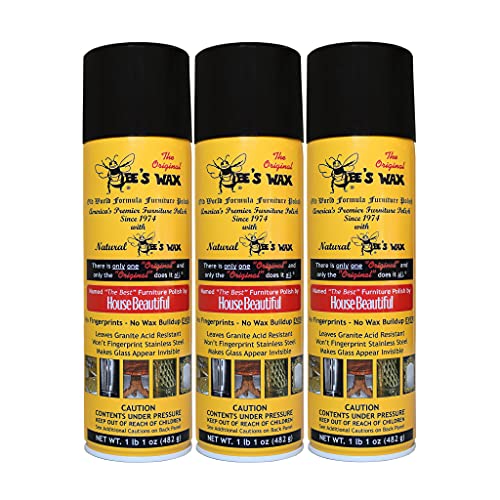


Once the surface is clean, it’s time to nourish the wood. Choose a high-quality, natural beeswax or carnauba wax for the subsequent treatment. Apply a small amount using a clean cloth, working it into the surface in circular motions. This not only enhances shine but also protects the finish from moisture and dirt.
Regular maintenance is key to preserving the beauty of these pieces. A simple wipe with a dry microfiber cloth can prevent the buildup of dust and keep the wood looking its finest. Consider limiting exposure to direct sunlight to maintain color richness and prevent fading over time.
Guidelines for Restoring Vintage Wood Pieces
For maintaining the integrity of old wooden items, I recommend using a soft, lint-free cloth. This prevents scratches while addressing surface dust and debris. Instead of harsh chemical solutions, opt for a mixture of mild soap and water. Dampen the cloth with this solution and lightly wipe the surface, avoiding excessive moisture that might warp the wood.
Recommended Materials
| Item | Purpose |
|---|---|
| Soft cloth | Dusting and applying solutions |
| Mild soap | Cleaning agent |
| Beeswax or natural oils | Conditioning and enhancing shine |
| Microfiber cloth | Final buffing |
After the surface is clean, consider treating the wood with natural oils or beeswax for nourishment. Apply with a clean cloth, working it into the grain, and allow it to absorb for a few minutes. Wipe off any excess with a different cloth to prevent residue build-up.
For stubborn marks, I sometimes use a mixture of olive oil and vinegar in equal parts. Apply a small quantity to a cloth, then gently rub the area. Always test in an inconspicuous spot first to avoid adverse reactions.
Assessing the Condition of Vintage Pieces
Examine the item closely for signs of damage. Check joints for looseness, cracks in the wood, or peeling finishes. Inspect legs and surfaces for stability and integrity.
- Look for indications of insect activity. Small holes or powder might suggest a pest issue.
- Pay attention to the hardware. Original or replacement fittings can affect value.
- Evaluate the finish. Assess whether the surface is dull, uneven, or has water damage.
Determine the wood type, as different species react uniquely to treatments. Identifying the era can guide appropriate maintenance methods.
Use a magnifying glass to find details that are not visible to the naked eye, such as faint scratches or wear marks, which might require specific care strategies.
Consider previous restorations. An item that has been poorly repaired may need professional attention.
Document findings with photographs. This can aid in tracking changes over time and providing insights before undertaking any restoration processes.
Choosing the Right Cleaning Products for Wood
I recommend opting for gentle, pH-balanced solutions specifically designed for delicate surfaces. Avoid harsh chemicals that can strip finishes or damage the wood grain.
Types of Products to Consider
- Natural Oils: Look for linseed or jojoba oils which nourish the wood while providing a protective layer.
- Specialized Creams: Cream-based cleaners with beeswax or carnauba wax secure moisture retention, enhancing luster without abrasiveness.
- Microfiber Cloths: Use these for application and buffing; they prevent scratches while effectively picking up dust and debris.
What to Avoid
- Ammonia-Based Products: These can dull the finish and lead to discoloration.
- Abrasive Cleaners: Scouring pads or gritty substances will create scratches and damage the surface.
- All-Purpose Cleaners: Many contain chemicals unsuitable for wood, risking long-term harm.
Testing products in an inconspicuous area ensures compatibility before broader application. This step prevents irreversible damage and helps maintain the piece’s integrity.
Removing Dust and Debris from Surfaces
I utilize a soft, lint-free cloth for initial dust removal. Microfiber works best, as it captures particles without scratching delicate surfaces. Begin at the highest point of the piece and work downward to ensure debris doesn’t settle on areas already cleaned.
Technique for Different Areas
For crevices, I employ a small paintbrush or a vacuum attachment with a soft nozzle to reach hidden spots. Pay special attention to carvings and intricate designs where dust accumulates easily. Always ensure the vacuum is set to a low suction to avoid any damage.
Periodical Maintenance
I recommend dusting at least weekly to prevent buildup. Before a deep restoration, I remove dust followed by wiping down with a damp cloth to capture any remaining particles. This method prepares the surface for the subsequent treatments effectively.
Tackling Stains and Water Marks on Finish
Begin addressing stains and water marks on finishes by performing a careful inspection. Identify the type of finish, as different materials require tailored approaches. For varnish and lacquer finishes, a solution of equal parts vinegar and olive oil can work wonders. Apply this mixture to a soft, lint-free cloth, gently rubbing the affected area in circular motions.
In cases of deeper stains, a paste made from baking soda and water can be used. Apply the paste directly to the mark, let it sit for a few minutes, and then wipe it off with a damp cloth. Always follow up with a dry cloth to remove any moisture.
For water rings caused by glasses, a hairdryer on a low setting can help. Hold the dryer about 6 inches away from the surface and keep it moving to avoid overheating a single spot. After drying, a light touch of furniture wax can restore shine.
Consider the following table for additional options based on the type of stain:
| Type of Stain | Recommended Method |
|---|---|
| Water Marks | Vinegar and Olive Oil Mixture |
| Grease Stains | Baking Soda Paste |
| Crayon Marks | Mayonnaise Application |
| Ink Stains | Rubbing Alcohol on Cotton Ball |
Avoid using harsh chemicals or abrasive materials, as they can cause further damage. Always test any cleaning solution on an inconspicuous area first. This ensures no adverse reaction occurs on the finish, preserving the beauty of the piece.
Applying Wood Conditioner for Nourishment
I recommend using a high-quality wood conditioner to rejuvenate and nourish the grain of your piece. Look for a product specifically designed for the type of wood your item is made from. Apply a small amount to a soft, lint-free cloth and work it gently into the surface in circular motions.
Ensure the area is well-ventilated to enhance absorption. Allow the conditioner to penetrate for about 15-30 minutes before wiping away any excess with a clean cloth. This process replenishes oils that may have evaporated over time, restoring moisture and luster.
For best results, repeat this treatment every six months to maintain the wood’s health and beauty. After applying the conditioner, observe how the grain appears richer and more vibrant, showcasing the craftsmanship of the piece.
Always test the product on a small, inconspicuous area first to ensure compatibility with your surface. If the conditioner alters the finish negatively, look for an alternative formulation. Regular nourishment with conditioner can significantly prolong the life and aesthetic quality of cherished heirlooms.
Selecting and Using Wax for Polishing
For a flawless finish, I select a high-quality natural wax, such as beeswax or carnauba. These types provide a rich luster while offering protection without artificial additives. Always check the ingredient list; I steer clear of any wax with harsh chemicals that could damage surfaces over time.
Before application, I ensure the wooden piece is dust-free. Using a soft, lint-free cloth, I apply the wax sparingly. A little goes a long way; I prefer to work in small sections to maintain control and achieve an even coat.
After applying the wax, I let it sit for about 10 to 15 minutes to allow it to bond with the wood. Then, using a clean microfiber cloth, I buff the surface in circular motions. This helps to bring out the shine and enhances the grain of the wood.
For maintenance, I reapply wax every few months, especially in high-traffic areas. If I notice a dull spot, a quick touch-up can restore the sheen without the need for extensive reapplication.
Ultimately, choosing the right wax product is key to preserving the beauty of vintage wood pieces, ensuring they remain a stunning focal point in my home.
Techniques for Buffing and Maintaining Shine
Using a microfiber cloth for buffing delivers superior results. It effectively removes residue while enhancing sheen. Light pressure and circular motions help to achieve a uniform finish.
Using Oil for Enhanced Luster
Periodically applying a light coat of high-quality oil, such as linseed or mineral oil, can nourish the wood and add extra shine. Allow the oil to sit for several minutes, then buff with a soft, dry cloth to obtain a radiant look.
Employing Furniture Wax
Choosing a paste wax specifically designed for wood surfaces provides deep protection while enhancing gloss. Apply a thin layer with a clean cloth, let it harden briefly, and use a gentle buffing motion with another soft cloth to reach optimal brilliance.
Regular maintenance routines, incorporating these techniques, ensure that the natural beauty of these cherished pieces remains intact for years to come.
Storing and Protecting Vintage Pieces from Damage
Invest in climate control features like air conditioning and humidity regulation for storage areas. A stable environment prevents wood from warping and finishes from degrading.
Proper Placement and Storage Techniques
- Avoid direct sunlight; it causes fading and discoloration over time.
- Store items on soft surfaces or use felt pads to prevent scratches.
- Ensure that items are not overcrowded; allow space for air circulation.
- Keep furniture away from heating vents and radiators to minimize heat exposure.
Protective Measures Against Wear
- Use coasters and placemats to shield surfaces from moisture and heat.
- Invest in furniture covers to guard against dust and potential scratches.
- Regularly inspect items for signs of pests; address any issues immediately.
- Apply a protective finish periodically to enhance durability and resist damage.


