Caleb Turner
Using a mixture of equal parts vinegar and olive oil provides a simple yet powerful solution to address the issue of unsightly marks. Apply the mixture with a soft cloth, gently rubbing the area in circular motions. This technique works to lift the discoloration while nourishing the wood at the same time.
For deeper imperfections, a paste made from baking soda and water can be utilized. Combine until it forms a thick consistency, then apply it to the affected area using a soft cloth. After letting it sit for a few minutes, gently buff away the paste with a damp cloth, revealing a cleaner surface.
If the marks persist, consider using a small amount of white toothpaste. The mild abrasives in the paste can work wonders. Apply it with a soft cloth and rub carefully, followed by a thorough wipe with a damp cloth to remove any residue left behind.


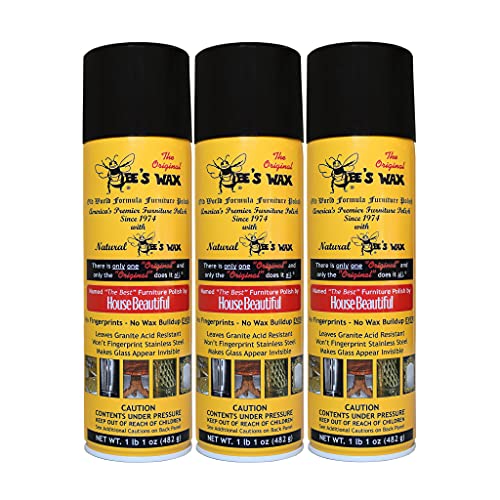
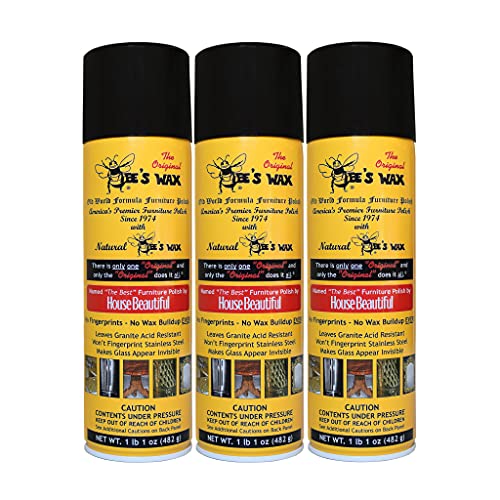
Regular maintenance can prevent future issues. A protective coat of polish or wax serves as a barrier against moisture and other damaging elements. Ensuring proper humidity levels in the environment where these items are kept also helps preserve their integrity.
Identifying the Type of Water Stain
First, distinguish between white and dark marks. White spots often indicate moisture trapped on the surface, while darker areas suggest deeper damage affecting the finish or the wood itself.
White Marks
These typically arise from heat or moisture. I recommend testing with a hairdryer on a low setting to gently heat the spot, which may allow the moisture to evaporate. If this approach works, the blemish should diminish.
Dark Marks
These stains usually penetrate the wood. In cases like this, sanding may be necessary. Use fine-grit sandpaper to gently buff the discolored area, followed by a touch-up with matching stain to achieve a cohesive look.
Preparing your workspace for cleaning
Establish a well-lit area to ensure visibility of surfaces and marks. A clean, flat surface is crucial; choose an uncluttered table or countertop, removing any items that might obstruct the process. Cover the workspace with a protective cloth or drop sheet, preventing accidental damage to surrounding areas.
Wear comfortable clothing and protect hands with gloves. Gather essential supplies: microfiber cloths, a bowl for mixing solutions, and a soft-bristle brush if necessary. If engaging with chemical solutions, ensure proper ventilation by opening windows or turning on fans.
Have a few test patches ready on less visible surfaces; this will help identify the safest method without risking visible areas. Arrange everything within reach to maintain an organized workflow throughout the cleaning. This preparation sets the foundation for efficient and effective treatment of those unsightly blemishes.
Using Household Items to Remove Light Stains
Mix equal parts of vinegar and olive oil to create a natural solution. Apply this mixture to a soft cloth and rub gently over the affected area in the direction of the grain.
Baking soda acts as a mild abrasive. Combine it with a small amount of water to form a paste. Apply the paste to the mark and let it sit for a few minutes before wiping it off with a damp cloth.
Toothpaste can be effective as well. Use non-gel, non-whitening varieties. Apply a small amount to the stain and rub gently with a soft cloth, then wipe clean with a damp cloth.
For a quick fix, consider using a banana peel. Rubbing the inside of the peel on the affected spot can help lift the mark. Rinse the area with a damp cloth afterward.
Below is a table summarizing these household methods:
| Household Item | Method | Instructions |
|---|---|---|
| Vinegar & Olive Oil | Natural Solution | Mix equal parts, apply, rub with cloth. |
| Baking Soda | Mild Abrasive Paste | Combine with water, apply paste, rinse after. |
| Toothpaste | Cleansing Agent | Apply small amount, rub gently, wipe clean. |
| Banana Peel | Natural Rub | Rub inside on spot, rinse after. |
Applying commercial wood stain removers correctly
Select a high-quality commercial product specifically designed for tackling discolorations on timber. Read the manufacturer’s instructions on the label; each formulation may have unique application methods and safety precautions.
Preparation of the surface
Before application, ensure the surface is clean and dry. Dust thoroughly with a lint-free cloth to remove any particles that could interfere with the adhesion of the remover. If necessary, lightly sand the area around the marks to help the solution penetrate better.
Application technique
Apply the stain remover using a clean, soft cloth or a sponge. Work in small circular motions for even coverage. Avoid over-saturating, as excess product can lead to damage. Allow the solution to sit for the recommended time; this allows the active ingredients to interact effectively with the blemish.
After the dwelling time, gently wipe away the product with a damp cloth, followed by a dry cloth to absorb residue. Check the efficacy of the treatment; repeat the process if necessary to achieve desired results. Finish by applying a suitable wood conditioner to restore the timber’s natural luster.
Testing Cleaning Methods on Hidden Areas
Before applying any cleaning solution, I select a discreet spot on the piece to assess the method’s suitability. Identifying a less visible area helps prevent potential damage to the more prominent sections.
Steps for Testing
- Choose a corner or backside where the finish is less noticeable.
- Apply a small amount of the chosen cleaning agent using a cotton swab or cloth.
- Gently rub the area for a few seconds, observing any immediate reactions.
- Wipe the area with a damp cloth to remove any residues.
- Allow the tested section to dry completely before assessing the results.
Signs of Compatibility
- No discoloration on the surface.
- Maintained shine or finish integrity.
- No peeling or lifting of the wood’s outer layer.
If any adverse reactions occur during testing, I switch to a different method or consider diluted solutions. Always prioritize safety and preservation of the furniture’s appearance. Testing ensures a confident approach to tackling unsightly marks, safeguarding the piece for future enjoyment.
Polishing After Stain Removal
After tackling the marks on the surface, it’s crucial to restore the original luster of the timber. Start with a clean, lint-free cloth to eliminate any dust or debris left from the cleaning process.
Utilize a high-quality wood polish or wax designed specifically for the type of finish on the surface. Apply a small amount to the cloth and gently buff the area in circular motions. This technique not only enhances shine but also helps in blending the color and texture where treatment was performed.
If the surface feels rough, fine-grit sandpaper (200-400 grit) can be used lightly after polishing to smooth out any unevenness. Always follow up with polish to replenish the sheen.
For additional protection, consider applying a coat of furniture wax. It acts as a barrier against future marks, while also preserving the underlying finish. Be sure to follow product instructions for the best results.
Lastly, allow the polish or wax to cure as per the manufacturer’s recommendations before placing any items back on the surface. This ensures that the restored finish remains intact and looks impeccable.
Preventing Future Water Marks on Furniture
Utilizing coasters and placemats is a straightforward way to safeguard surfaces against moisture damage. Always place a protective layer between liquids and the finish.
- Choose absorbent coasters for beverages and avoid leaving them standing for long periods.
- Use cloth or vinyl placemats during meals to protect dining tables.
Regularly applying a quality wax or oil finish enhances resistance to humidity. This protective layer can act as a barrier, minimizing the risk of absorption and potential damage.
Maintaining Proper Humidity Levels
Keeping indoor humidity within a specific range (30-50%) helps minimize risks. Invest in a hygrometer to monitor levels, adjusting as necessary with a humidifier or dehumidifier.
Quick Cleaning Practice
Wipe spills immediately using a soft cloth. This simple action can significantly reduce the likelihood of permanent damage. Avoid abrasive materials which can scratch surfaces.
- For minor spills, a dry cloth is often sufficient.
- For sticky substances, lightly dampen the cloth with water before wiping.
When to Consult a Professional for Severe Damage
Consider seeking expert help if deep, dark marks remain after attempted cleaning or if the wood surface exhibits warping, cracking, or significant discoloration. These signs often indicate extensive damage that simple home remedies cannot resolve.
Signs Indicating Professional Intervention
Visible structural changes, such as swollen areas or misalignments in joints, may signify serious issues. If these alterations affect functionality or aesthetics, it’s prudent to consult an experienced craftsman.
Persistent water rings that resist standard treatments can suggest the need for more advanced restoration techniques, including refinishing or resurfacing the affected area. Such processes require specialized skills and tools often beyond the average homeowner’s capabilities.
Evaluating the Value of the Piece
If the item is of significant monetary or sentimental value, enlisting a specialist is often warranted. The potential investment in professional restoration can safeguard both the piece’s integrity and its worth over time. High-quality restoration can yield a result that maintains the original appeal of the item while preventing future deterioration.
Timely intervention can also prevent further decline, ensuring that the furniture retains its character for years to come. An ounce of prevention in dealing with serious damage can save considerable time and resources in the future.