
 Caleb Turner
First, a mixture of baking soda and water creates a paste that can effectively address unsightly marks. Applying this paste gently with a soft cloth, followed by a light buffing, often provides excellent results.
For deeper blemishes, a thin application of mayonnaise can work wonders. The oils present in the condiment penetrate and can lift the discoloration. Leave it on for a couple of hours, then wipe away with a clean cloth, revealing a refreshed surface.
Using a hairdryer on a low setting is another practical method to eliminate moisture-related marks. Keeping the heat source at a distance aids in drawing out the trapped water without causing additional damage to the finish.
Lastly, consider a specialized wood polish. These products are formulated to nourish and protect surfaces while also tackling imperfections. Applying them periodically maintains the integrity of the wood over time.


How to Cleanse Marks from Timber Surfaces
For effective treatment of discolored areas, consider applying a mixture of baking soda and water. Create a paste with equal parts of both ingredients and gently rub it onto the affected section using a soft cloth. Rinse with a damp cloth afterward.
Another method involves utilizing mayonnaise. Apply a small amount directly to the mark, cover with plastic wrap, and let it sit for several hours or overnight. Wipe clean and polish the surface.
Vinegar combined with olive oil serves as another alternative. Mix one part vinegar with two parts olive oil, apply gently, and buff with a clean cloth to restore luster while tackling discoloration.
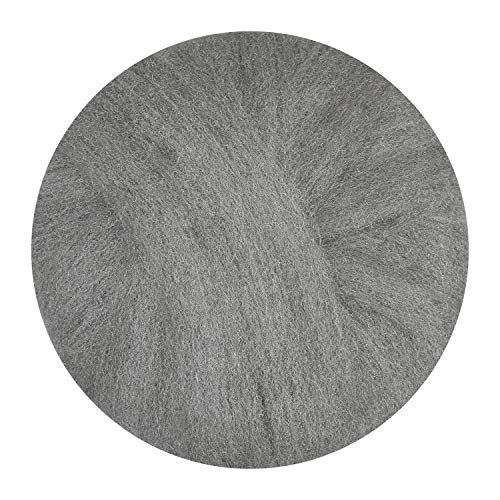
For deeper damage, a fine steel wool pad can be utilized. Lightly buff the spot with grade #0000 steel wool and follow up with a suitable wood conditioner to nourish and refine the surface.
When using any method, always conduct a test in an inconspicuous area first to avoid additional damage. Patience and repeated applications may be necessary for completely erasing imperfections.
Understanding Different Types of Water Stains
Identifying the type of discoloration on a surface is crucial for effective treatment. Generally, stains fall into two categories: white and dark.
White marks usually occur when moisture seeps into the finish but does not penetrate deeply into the wood. These can often be addressed with heat or simple polishing methods. A heat source, such as a hairdryer, can gently evaporate the moisture trapped beneath the surface.
Dark discolorations indicate deeper absorption, usually due to prolonged exposure to liquid. This often requires more intensive treatment, as the moisture can cause damage to the wood fibers. Depending on the extent of the damage, sanding and refinishing may be necessary to restore the original appearance.
Additionally, some stains may result from the interaction of specific materials with liquids, such as tannins in the wood reacting with moisture. Identifying these unique cases may require specialized solvents or cleaning techniques tailored to the material’s properties.
Lastly, understanding how different finishes respond to moisture is essential. Certain lacquers or oils may offer varying levels of protection and require distinct methods for stain treatment.
Gathering Necessary Cleaning Supplies
First, acquire soft cloths or microfiber towels; they won’t scratch surfaces. A non-abrasive sponge is also beneficial for gently treating the affected areas.
Next, grab a container for mixing solutions. A small bowl or spray bottle works well for combining ingredients such as vinegar or baking soda, both of which can effectively tackle marks on surfaces.
A few drops of essential oil, like lemon or tea tree, can enhance the cleaning process while leaving a pleasant scent. Additionally, some wood polish will help condition the treated area and restore sheen after cleaning.
Ensure to have a small bucket for rinsing any used materials to avoid spreading residues during the process. Wearing gloves may also be practical to protect hands from chemicals in some products.
Lastly, keep a soft-bristle brush handy for intricate details or crevices. Having these supplies ready will facilitate a smooth cleaning procedure and increase the likelihood of achieving positive results.
Applying Toothpaste as a Cleaning Solution
Utilizing toothpaste can yield remarkable results in addressing moisture marks. Select a non-gel, white toothpaste for this task. Simply apply a small amount directly onto the affected area, using a soft cloth or fingertip. Gently rub the paste in a circular motion, ensuring even coverage. Allow it to sit for approximately five minutes to penetrate the surface.
Afterward, wipe away the toothpaste with a damp cloth, followed by a dry towel to eliminate any moisture. This method often helps reduce or entirely eliminate the marks, leaving behind a clean surface. If necessary, repeat the process for persistent spots until achieving desired results.
For additional protection, consider applying a wood polish or conditioner after the treatment. This helps maintain the wood’s luster and shield it from future blemishes.
Using Olive Oil and Vinegar Mixture
A blend of olive oil and vinegar effectively addresses those annoying marks on surfaces. Combine three parts olive oil with one part vinegar for a simple yet potent solution.
Preparation Steps
- Mix olive oil and vinegar in a small bowl.
- Stir thoroughly until the ingredients are well integrated.
Application Instructions
With a soft cloth, apply the mixture directly onto the affected area. Using circular motions, gently rub the solution in, allowing it to penetrate the blemish. Let it sit for around 10 to 20 minutes for optimal results.
After the waiting period, wipe away any excess with a dry cloth. For persistent marks, repeat the process as necessary. This method not only targets imperfections but also nourishes the surface, enhancing its natural beauty.
Trying Professional Wood Furniture Polish
Opt for a high-quality furniture polish specifically designed for wooden surfaces, as it can significantly enhance the appearance of your items while addressing marks. Apply the product using a soft, lint-free cloth to ensure gentle coverage without exacerbating any existing imperfections.
Before I start, I check if the polish is suitable for the finish of my furniture, whether it’s lacquered, oiled, or varnished. A small patch test can help confirm compatibility. Once assured, I shake the polish bottle well and dispense a small amount onto the cloth rather than directly onto the surface.
In circular motions, I work the polish into the grain, allowing it to seep into the fibers. This not only rejuvenates the finish but also provides a protective layer that helps prevent future moisture issues. After applying, I let it sit for a few minutes before buffing with a clean, dry cloth to achieve a glossy and rich finish.
For the best results, repeating this process monthly maintains the luster and protection of wooden items. Selecting quality brands that claim to nourish and protect can make a difference in longevity against moisture and wear.
Preventing Future Marks on Timber
To safeguard surfaces against moisture damage, always place coasters underneath beverages. Choosing materials with a protective finish, like varnish or lacquer, can enhance resilience. Ensuring proper humidity levels in the environment is crucial; this can be achieved with a dehumidifier in damp rooms.
Another method involves using furniture wax regularly. Applying a thin layer helps create a barrier against liquid penetration. Avoid direct contact of hot or cold items with the finish; use trivets or placemats as protective measures.
Consider incorporating a scheduled maintenance routine. Regularly clean and polish the surface will not only enhance appearance but also fortify against potential moisture exposure. For newly acquired pieces, apply a protective sealant to minimize risks right from the start.
| Recommendation | Benefit |
|---|---|
| Use Coasters | Protects against moisture from drinks |
| Apply Furniture Wax | Creates a barrier against liquids |
| Regulate Humidity | Prevents excessive moisture in the air |
| Schedule Maintenance | Enhances durability and appearance |
| Seal New Pieces | Reduces risk of damage at the outset |
FAQ:
What are some common methods for removing water stains from wood furniture?
There are several effective methods to remove water stains from wood furniture. One popular technique is to use a mixture of equal parts vinegar and olive oil. You can apply this mixture to a soft cloth and rub it gently on the stained area. Another method involves using toothpaste; apply a small amount of non-gel toothpaste to a cloth and rub the stain in a circular motion. For more stubborn stains, a paste made from baking soda and water can also work. Simply apply the paste to the stain, let it sit for a few minutes, and then wipe it off with a damp cloth. Always test any solution on a hidden area of the furniture first to ensure it doesn’t cause any damage.
How can I prevent water stains from appearing on my wooden furniture?
To prevent water stains from forming on your wooden furniture, it’s important to always use coasters or placemats when placing drinks on the surfaces. Additionally, using a protective finish on the wood can help repel moisture. Regularly applying a furniture polish or wax can also create a barrier against spills. Avoid leaving wet items directly on the wood for extended periods. If you notice a spill, clean it up immediately to minimize the risk of staining.
Can I use heat to remove water stains from wood furniture?
Yes, using heat can sometimes be effective in removing water stains, particularly those that have penetrated the finish. One common method is to place a clean, dry cloth over the stain and then use a warm iron on a low setting. The heat from the iron can help evaporate the trapped moisture. However, it is crucial to keep the iron moving and not leave it in one place for too long, as excessive heat can damage the wood finish. Always test this method on an inconspicuous area first to avoid causing further damage.
Are there any commercial products that can help with water stains on wood furniture?
Yes, there are several commercial products specifically designed to remove water stains from wood furniture. Look for wood restorers, stain removers, or furniture cleaners that contain ingredients like beeswax or mineral oil. These products can help lift stains while also conditioning the wood. Be sure to follow the manufacturer’s instructions and perform a patch test in an inconspicuous area to ensure compatibility with your furniture’s finish.
Is it safe to use sandpaper to remove water stains from wood furniture?
Using sandpaper can be an option for removing stains, but it should be approached with caution. Sanding can damage the surface of the wood, especially if done too aggressively. If you choose to sand, use fine-grit sandpaper and work gently, focusing only on the stained area. After sanding, you may need to refinish or touch up the area to restore its original appearance. Always consider less abrasive methods before resorting to sanding, as they can often be more effective without risking damage to the wood.


