
 Caleb Turner
First, ensure the selected substrate is clean and free of dust or oils. Vacuum thoroughly to prepare the surface for optimal adhesion. A light cleaning with a fabric-safe solution can enhance results significantly.
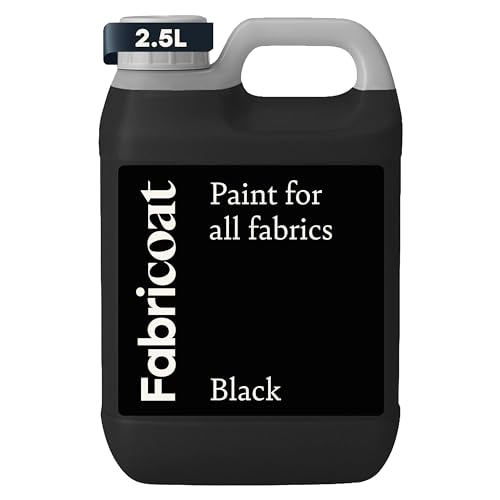
Next, choose an appropriate coating specifically designed for soft coverings. Opt for paints containing a fabric medium, allowing flexibility once dry. This type of product not only adheres well but also maintains the texture of the textile.
Use a spray technique or a high-density foam roller to apply the material uniformly. Working in small sections will prevent drips and allow for a smoother finish. When spraying, keep the nozzle about six to eight inches away, ensuring an even application without oversaturation.
Lastly, allow ample curing time before putting the transformed item back into use. This period typically spans 24 to 48 hours, depending on environmental conditions. Curing ensures durability and a long-lasting appearance for the revitalized piece.

Choosing the Right Type of Paint for Fabric
For optimal results, select a fabric-specific paint or a high-quality acrylic designed for textiles. These types adhere better, ensuring durability and flexibility on soft surfaces. Look for products labeled as “flexible” or “soft” to guarantee that the finished surface retains its texture.
Considerations in Paint Selection
Water-based paints offer easy cleanup and lower odor, making them preferable for indoor use. However, in areas with high wear, such as seats or cushions, a more robust solution like fabric medium mixed with acrylic paint can enhance longevity.
Test Swatches
Before proceeding, test a small, inconspicuous area to assess adhesion and color fastness. This step is vital as different textiles react uniquely to various types of paint, ensuring satisfaction with the final shade and finish.
Preparing Your Fabric Furniture for Painting
Thoroughly clean the upholstery using a vacuum cleaner to eliminate dust and debris. A lint roller can help tackle pet hair or smaller particles. After vacuuming, spot-clean any stains with a fabric-safe cleaner to avoid interference with the adhesion of the coating.
Assessing the Condition
Examine the material for any signs of damage, such as rips or fraying threads. Repair these issues with appropriate fabric patches or a needle and thread to ensure a smooth painting surface. Any imperfections may affect the final look and durability of the newly painted surface.
Preparing the Area
Lay down drop cloths to protect surrounding surfaces from overspray. Choose a well-ventilated space for the project, ideally outdoors or in a room with ample airflow to help the paint dry properly. This environment aids in achieving a uniform coat, reducing the risk of drips and uneven texture.
Gathering Necessary Tools and Materials
Preparation demands specific items to achieve desirable results. Essential tools include a vacuum cleaner for dust removal, a brush or lint roller for fabric debris, and a sponge for surface cleaning. Ensure to have painter’s tape at hand for clean lines and protection of surrounding areas.
Paint Selection
Opt for paints specifically formulated for upholstery or textiles. Look for fabric spray paints that adhere well and remain flexible. Test samples on inconspicuous areas to ensure compatibility and color fastness.
Additional Supplies
Gather disposable gloves, an apron, and drop cloths to protect surfaces. A spray bottle filled with water can help dampen the fabric before application. A quality paintbrush will assist in reaching intricate designs or corners.
Testing Paint on a Small Area First
It’s crucial to check the compatibility of chosen paint with the material before committing to a full application. Select a discreet section on the item for an initial test.
Steps for Testing
- Identify an inconspicuous area, such as the underside or a back corner.
- Clean the test spot to remove dust and oils.
- Apply a small amount of paint with a brush or sponge. This allows for an even application.
- Observe the drying process and finish. Take note of the texture and color.
Evaluating Results
After the paint has dried thoroughly, inspect the test area carefully. Key factors to consider include:
- Adhesion: Ensure the coating does not peel or flake off.
- Flexibility: Check if the finish holds up under movement or pressure.
- Color retention: Monitor if the hue remains true over time.
If any issues arise, reconsider the type of paint or consider securing a fabric-specific primer before proceeding with larger sections. Testing helps prevent unwanted outcomes and ensures satisfaction with the final look.
Applying the First Coat of Paint Evenly
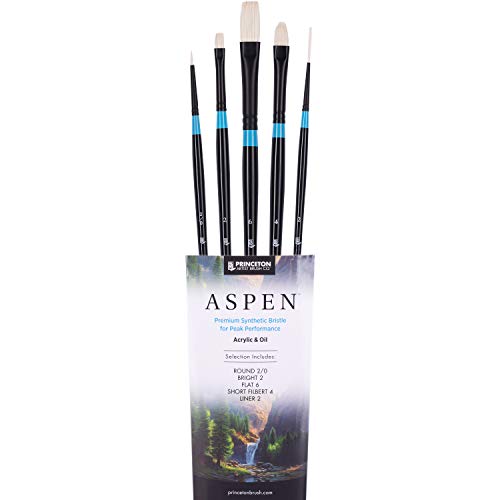
To ensure a smooth and uniform application, I use a quality synthetic brush or a foam roller. These tools help in achieving the best coverage without leaving visible strokes. I begin at one corner, working my way across the surface.
Technique for Even Coverage
- Always apply the paint in thin layers. This prevents drips and allows for better absorption into the upholstery.
- Use long, sweeping motions in one direction to maintain a consistent texture.
- Overlap previous strokes slightly to avoid streaks.
Monitoring the paint consistency is vital. If it seems too thick, I may add a small amount of fabric medium to facilitate an easier application and better absorption.
Drying Between Coats
After the first application, I let the material dry completely before assessing the coverage. This step helps in identifying areas that may need additional paint. Typically, I wait a minimum of four hours, depending on humidity and temperature. Observing the drying process ensures optimal results for subsequent layers.
Layering Colors for a Custom Look
Begin with a base color that complements your vision. Apply this base evenly, ensuring it covers the entire surface. Choose a secondary shade that contrasts or harmonizes with the first. This layer can be added selectively or with a stencil for dynamic patterns. For example, a light hue can serve as a highlight, while a deeper tone works for shadows.
Use a sponge or a brush to apply the second color, ensuring the base layer is dry to avoid muddling. Dab the applicator gently to create texture, or use sweeping strokes for a smoother finish. The aim is to achieve a multi-dimensional effect.
Consider using a third color for accents; this can manifest as stripes, dots, or ombre effects. This step allows for personal expression and can enhance visual interest. When layering, allow each coat to dry completely before adding the next to prevent smudging.
| Color Layer | Application Technique | Recommended Tools |
|---|---|---|
| Base Color | Even application | Spray Gun or Brush |
| Secondary Color | Dabbing or Sweeping | Sponges or Stencils |
| Accent Color | Detailing Techniques | Fine Brushes or Markers |
Final adjustments may include adding a protective finish. Select a clear coat designed for fabrics to ensure durability without compromising the color layers. This step will enhance longevity while preserving the effects of your creative process.
Drying and Curing Time for Fabric Paint
The drying time for various paint types typically ranges from 1 to 4 hours, depending on the specific product used and the environment. Layering additional coats should wait until the previous application is completely dry to the touch.
Curing Process
Curing, a crucial stage, allows the paint to bond effectively with the material. This process often takes between 24 to 72 hours. Factors like humidity and temperature can extend this time, so avoid using the piece until fully cured to ensure durability.
Tips for Monitoring
<p Regularly checking progress while drying can help gauge readiness for the next steps. Utilize a fan or dehumidifier to facilitate airflow, but keep the environment dust-free to prevent imperfections in the finish. Avoid placing heavy items on newly painted surfaces until fully cured to prevent dents and marks.
Caring for Painted Fabric Furniture After Completion
Use a soft brush or vacuum cleaner with an upholstery attachment to remove dust and debris regularly. This will help maintain the fresh appearance of the newly updated couch or chair.
For minor stains, a damp cloth with mild soap works effectively. Avoid harsh chemicals that could degrade the surface. Gently blot the area instead of scrubbing.
Refrain from using any water-based cleaning products unless they’re specifically designed for recently refinished textiles. Water can compromise the integrity of the applied coating.
Consider applying a fabric protector spray suitable for use on treated materials. This step adds a layer of defense against potential stains and fading from sunlight.
Keep the items out of direct sunlight for extended periods to prevent color fading. Use curtains or shades to control exposure to intense light.
Periodically check for any wear or damage to the finish. If signs of deterioration appear, lightly sand the affected area and reapply the original coating to ensure longevity.
Limit heavy usage to preserve the intact appearance. Try to place lightweight throws or blankets to reduce friction in high-traffic areas.


