
 Caleb Turner

Begin with a lint roller. This tool effectively picks up stray fibers with minimal effort. Roll it over the upholstered seats or cushions, ensuring that all angles are covered. Replace sheets as they fill up with fluff, continuing until the surface is clean.
A damp sponge also proves handy. Lightly dampening it allows for better adhesion to stubborn strands. Wipe the surface gently, and watch as the moisture lifts the fur away, leaving behind spotless upholstery.
Consider using rubber gloves next. Simply rub hands across the fabric; the static electricity generated by the rubber will attract and gather the unwanted strands. This method is especially useful for car interiors or tight spaces where tools might not fit.
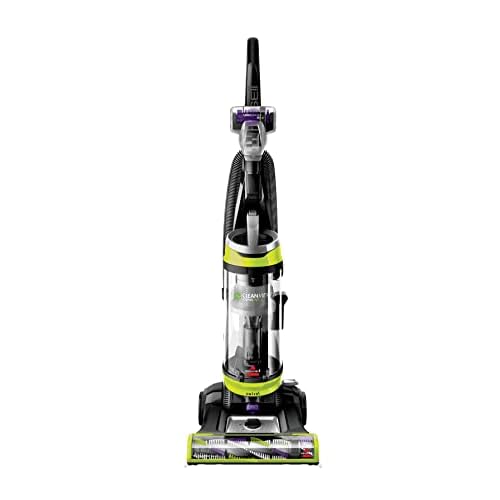


Another option is the classic vacuum cleaner equipped with a pet hair attachment. This feature usually boasts strong suction and specialized nozzles designed to capture fine fibers embedded in fabrics. Make sure to go over all surfaces multiple times for best results.
Choosing the Right Tools for Cat Hair Removal
A high-quality rubber glove is a game changer for removing fur from various surfaces. Simply dampen the glove slightly and wipe it over the fabric; static electricity will attract the fibers effectively.
Recommended Tools
- Lint Rollers: These sticky sheets make quick work of any debris. Keep one handy for rapid touch-ups.
- Vacuum Cleaners with Pet Attachments: Opt for models tailored for pet owners, featuring specialized brushes that lift fur from both upholstery and carpets.
- Fabric Brushes: A simple brush with sturdy bristles can be surprisingly efficient. Look for one designed specifically for pet fur.
- Fur Remover Mitts: The mitts can be worn while petting, effectively collecting unwanted fibers and providing grooming simultaneously.
Additional Tips
Consider microfiber cloths for their superior electrostatic properties. Use a slightly damp one to capture that stubborn fluff. Regular grooming of the feline will significantly reduce the amount of loose fibers around the home, leading to fewer cleanup sessions.
Using Lint Rollers and Sticky Tape
For tackling stubborn fuzz from upholstery, a lint roller is one of the most practical tools available. The adhesive sheets capture embedded strands effectively. Rolling the device over the surface in gentle, overlapping motions ensures thorough coverage. Keep a few rollers handy in common areas to maintain cleanliness effortlessly.
Sticky Tape Application
If a lint roller isn’t accessible, sticky tape serves as a reliable substitute. Choosing a brand with a strong adhesive can help lift fibers from textured materials. Simply cut off a sufficient length and wrap it around your fingers with the sticky side facing out. Pat the affected zones, and watch as the tape pulls up unwanted fluff. This method works well for quick clean-ups and can be stored conveniently in bags or drawers.
Optimal Use Tips
To maximize efficiency, alternate between a lint roller and sticky tape depending on the texture of the fabric. For soft surfaces, the roller tends to perform better, while tape can be superior on rougher fabrics. Regular use keeps surfaces looking fresh and minimizes allergens in the environment. Ensure to dispose of the used sheets and tape immediately to prevent re-contamination.
Vacuum Cleaners: Best Practices for Pet Fur
Utilizing a vacuum designed for pet fur removal greatly simplifies the cleaning process. Opt for models with strong suction and specialized attachments for upholstery and crevices.
Make multiple passes on areas where the fur accumulates. Going over the same spot several times helps capture stubborn strands that cling to materials.
Regularly maintain equipment by cleaning filters and brushes. A clogged filter can diminish suction power, reducing cleaning efficiency.
Employ a vacuum with a HEPA filter to trap allergens, which is beneficial for people with sensitivities. This helps maintain air quality while tackling pesky remnants left by furry companions.
Consider a vacuum with a rubberized or textured nozzle. This design enhances fur pick-up from both soft and hard surfaces, making the process smoother.
Utilize the appropriate power settings for different materials. Lower settings are often suitable for delicate fabrics, while higher settings should be used on tougher surfaces.
Incorporate vacuuming into a regular cleaning routine. Consistency prevents the build-up of fur, making each session quicker and more manageable.
Microfiber Cloths and Their Benefits
Opting for microfiber cloths is a highly effective method for tackling pet fur on various surfaces. These cloths are designed with ultra-fine fibers that create a static charge, efficiently attracting and trapping loose fur without scattering it around.
Superior Cleaning Action
The unique structure of microfiber allows it to grab tiny particles, making it suitable for cleaning textures like upholstery and wooden surfaces. This specific quality aids in eliminating not just the visible strands but also the underlying allergens that may accompany them.
Durability and Reusability
Investing in microfiber cloths offers long-term savings. They can be laundered multiple times, retaining their cleaning efficacy while minimizing waste. A simple wash often restores them to their original condition, providing an eco-friendly option compared to disposable alternatives.
Utilizing a damp microfiber cloth can enhance results. Lightly misting it with water before use can boost its ability to attract and hold onto hair, making the cleaning process even more efficient.
For optimal outcomes, always store cloths in a clean, dry place to maintain their static properties. This ensures they are ready for action whenever the need arises.
Rubber Gloves Technique for Hair Removal
For remarkable results, I recommend using rubber gloves. Simply put on a pair of damp rubber gloves and glide your hands over the surface of the upholstery. The static electricity generated will attract and clump the fibers, making it easy to collect them. This method is particularly effective on sofas, chairs, and fabric coverings.
A quick tip: Ensure the gloves are slightly wet, as this enhances the attraction of the strands. It’s best to wipe them periodically on a paper towel or cloth to remove built-up fur. After cleaning, rinse the gloves to maintain their effectiveness for future sessions.
This approach is eco-friendly and cost-effective, plus it offers a tactile way to remove stubborn strands that other tools might miss. Experiment with different glove textures if you find that some work better than others for specific fabrics.
Utilizing Fabric Softener for Easier Cleanup
Mix equal parts of fabric softener and water in a spray bottle. Lightly mist the solution over the upholstered surfaces before cleanup. Allow it to sit for a few minutes to loosen the strands. This method makes it simpler to collect the unwanted fibers with a cloth or glove.
Benefits of Fabric Softener
Using fabric softener can significantly reduce static, which often contributes to the clinginess of the strands. The softener coats the fibers, allowing them to release more easily during the removal process. This technique is especially helpful for densely woven fabrics that trap debris.
Application Tips
When applying the solution, use just enough to dampen the surface without soaking it. After waiting a few minutes, utilize a microfiber cloth or rubber glove to wipe down the area. The combination will attract and lift the fibers effectively. For larger surfaces, consider using a vacuum after treatment for optimal results.
| Material | Recommendation |
|---|---|
| Leather | Test a small area before use, as softeners may alter texture. |
| Upholstered Furniture | Best results when sprayed lightly and allowed to sit for several minutes. |
| Carpets | Combine with vacuuming for thorough cleaning. |
Preventive Measures to Reduce Feline Fur Accumulation
Regular grooming sessions significantly minimize loose strands. Brushing a feline’s coat at least twice a week prevents excess tufts from migrating onto various surfaces. This practice not only reduces accumulation but also strengthens the bond between pet and owner.
Strategic Placement of Furnishings
Choosing furniture materials that repel or minimize adherence of fibers is paramount. Opt for tightly woven fabrics like leather or synthetic materials that are less prone to trapping fluff. The arrangement of furniture should also consider accessibility for cleaning, ensuring that maneuvering around is effortless.
Creating Designated Zones
Establishing specific areas for the pet to lounge can contain the spread of fluff. Utilizing pet beds or blankets in those zones encourages the feline to stay within set boundaries. This tactic becomes particularly effective when combined with regular washing of these designated items, preventing fur from transferring to other surfaces.
Cleaning Upholstery and Carpets for Hair Removal
Regularly addressing upholstery and carpets ensures a cleaner living space. Start with a thorough vacuuming session using a vacuum equipped with a pet hair attachment. Move slowly to allow suction efficiency and ensure all fibers are targeted effectively.
Methods for Thorough Cleaning
- Hot Water Extraction: Utilize a high-quality steam cleaner. This method deeply penetrates fibers, lifting trapped strands from carpets and upholstery. Follow the manufacturer’s instructions for the best results.
- Brush Technique: Employing a stiff-bristled brush can loosen embedded fibers. Brush in one direction to gather hair and then use a vacuum to collect it. This method works well on both fabric and carpet surfaces.
- Dish Soap Solution: Mixing a small amount of dish soap with water creates a gentle cleaning solution. Apply with a cloth, rubbing gently to lift hair, and then blot with a dry towel to absorb moisture.
Considerations for Different Fabrics
- Delicate Fabrics: For velvets and silks, opt for a microfiber cloth dampened with water to gently lift fibers. Avoid excessive moisture to prevent damage.
- Durable Materials: Synthetic fibers tolerate stronger cleaning agents. Use upholstery cleaners that specify compatibility with synthetic upholstery.
- Natural Fibers: For wool or cotton fabrics, consider solutions specifically designed for natural materials to avoid shrinkage or color fading.
Incorporating these strategies into regular maintenance routines significantly reduces build-up. Adjust techniques based on the type of material for optimal results.
FAQ:
What are the best tools for removing cat hair from furniture?
There are several effective tools you can use to remove cat hair from furniture. A lint roller is one of the simplest options; just roll it over the surface, and the sticky sheets will pick up the hair easily. Additionally, rubber gloves can work wonders—just put them on and rub your hands over the fabric. The static electricity generated will attract the hair. Vacuum cleaners with pet hair attachments are also very useful. Look for one with strong suction and motorized brushes to lift the hair from upholstery.
Can regular cleaning products help in getting cat hair off furniture?
While regular cleaning products are not specifically designed for pet hair, they can assist with the cleaning process. For example, a damp microfiber cloth can be very useful. Wiping the furniture with it will help to gather hair, as the cloth’s texture catches loose strands. You might also consider fabric-safe upholstery cleaners that can help refresh the surface, making it easier to remove hair. Make sure to check that any product you use is safe for your specific type of furniture material.
How often should I clean cat hair off my furniture?
The frequency of cleaning cat hair from your furniture depends on several factors, including how much your cat sheds and how often it uses the furniture. If you have a long-haired cat, you might need to clean more frequently—perhaps every few days. Short-haired breeds may require less frequent cleaning, but setting a routine, such as vacuuming or using a lint roller weekly, can help manage cat hair effectively. Regular cleaning not only keeps your furniture looking good but also reduces allergens in your home.
What are some DIY methods for removing cat hair from furniture?
If you’re looking for DIY options to tackle cat hair, there are several methods you can try. One popular method involves using a mixture of water and fabric softener in a spray bottle. Lightly mist the furniture and then wipe it down with a cloth. This helps loosen the hair from the fibers. Another option is to use tape—wrap some around your hand with the sticky side out and pat it on the furniture to lift the hair. Additionally, many people find that a pumice stone can effectively remove hair from certain types of upholstery, just be gentle to avoid damaging the fabric.


