
 Caleb Turner

First, gently brush the affected area with a hairbrush or upholstery brush. This method helps lift the carpet fibers without causing damage.
Another technique involves applying steam. Using a steam iron or a fabric steamer at a distance will relax the fibers. After steaming, place a cloth over the area and press down for a few moments.
Mix equal parts of white vinegar and water in a spray bottle. Lightly mist the stained area and blot with a clean cloth. This natural solution can revive the carpet’s appearance.
For stubborn marks, apply ice cubes wrapped in a cloth to the indentation. Allow them to sit for several minutes until the fibers regain their original shape.
Finally, vacuum the area thoroughly. This not only helps restore the look but also freshens up the entire carpet.
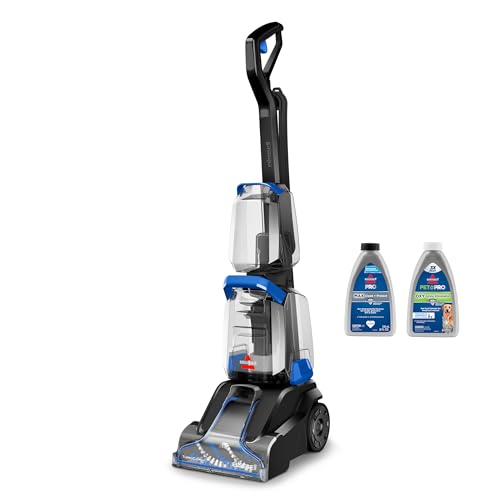

Removing Marks Left by Heavy Items on Flooring
Place a damp cloth over the dent and gently apply an iron set to a low temperature for a few seconds. Ensure the cloth is not overly wet to avoid damaging fibers.
For stubborn areas, utilize an ice cube in a plastic bag. Leave it on the spot until frozen, then carefully fluff the fibers with your fingers or a soft brush.
Try steam cleaning, focusing on the affected area. The moisture combined with heat can help restore the nap, lifting it back to its original position.
A vacuum cleaner with a brush attachment can also assist in revitalizing the flattened sections. Run it over the area, ensuring to move against the grain of the fibers.
If residue remains, consider using a commercial carpet cleaner specifically designed to rejuvenate fibers. Test it on a hidden patch first to avoid discoloration.
Understanding Carpet Fiber Types and Their Response to Pressure
Specific fibers in flooring materials react differently to weight application. Knowledge of these types assists in predicting recovery from pressure marks.
Nylon
Nylon demonstrates resilience. When weight is removed, this synthetic fiber tends to bounce back, making it one of the most durable choices. However, repeated pressure can permanently compress the fibers. Regular grooming and vacuuming help maintain its appearance.
Polyester
Polyester is softer and offers a luxurious feel but lacks the same recovery properties as nylon. It can be prone to matting under pressure. For damage control, fluffing the fibers or using ice cubes to rehydrate them aids in restoring their shape.
| Fiber Type | Resilience | Recovery Method |
|---|---|---|
| Nylon | High | Vacuuming and grooming |
| Polyester | Moderate | Fluffing and ice cubes |
| Wool | Natural resilience | Steam cleaning |
Wool has natural resilience and insulating properties. It recovers effectively under pressure but requires specific cleaning methods to prevent dirt accumulation. Steam cleaning proves beneficial, enhancing fiber recovery.
Methods for Lifting Furniture Impressions Using Steam
Using steam is a practical way to alleviate marks left by heavy objects on flooring surfaces. A reliable steam cleaner equipped with an upholstery attachment is ideal. Begin by prepping the appliance according to the manufacturer’s guidelines.
Steam Application Process
Select a small, inconspicuous area to test the steam cleaner. Once assured of safety, proceed by lightly steaming the affected regions. Hold the nozzle a few inches above the surface to prevent saturation. Utilize a back-and-forth motion to evenly distribute the heat.
After applying steam, take a clean, dry cloth and gently fluff the fibers. This helps restore the texture and appearance. Allow the area to dry thoroughly before resuming normal foot traffic to prevent new indents.
Additional Tips for Optimal Results
For enhanced effectiveness, consider placing an ice cube in the dented area after steaming. As the ice melts, it will release moisture, further aiding in the recovery of the fibers. Repeat the steaming process if necessary, and avoid heavy foot traffic until the area has fully recovered.
Using Ice Cubes to Restore Carpet Pile
Placing ice cubes directly onto the affected areas offers a straightforward solution for rejuvenating the fibers. Allow the cubes to melt completely. This process hydrates the fibers, helping them regain their natural shape.
Follow these steps for optimal results:
- Position several ice cubes in each dent, ensuring coverage.
- Wait for the ice to melt; this typically takes around 20 to 30 minutes.
- Once melted, use a clean cloth or your fingers to gently fluff the dampened fibers.
- For further enhancement, use a fork to lift the fibers, encouraging them to stand upright.
- Allow the area to air dry completely.
This technique is particularly effective for synthetic carpets, which tend to be more resilient in restoring their shape after pressure has been applied. Regular maintenance can prevent deeper set marks and keep fibers looking fresh.
Applying a Wet Cloth and Iron Technique for Carpet Recovery
To effectively restore carpet fibers, placing a damp cloth over the affected area followed by an iron can yield impressive results. Ensure the cloth is clean and slightly wet, avoiding soaking to prevent excess moisture on the floor beneath.
Follow these steps for optimal results:
- Place the damp cloth over the matted fibers.
- Set the iron to a low heat setting without steam.
- Gently press the iron onto the cloth for 10-15 seconds.
- Lift the iron and cloth to check the recovery of the fibers.
- If necessary, repeat the process until desired fluffiness is achieved.
Be cautious with the iron temperature; too high a setting can damage the fibers. It’s advisable to test this method on an inconspicuous area first.
This technique utilizes the heat and moisture to relax the flattened fibers, allowing them to regain their original shape and texture effectively.
Using a Vacuum for Enhancing Carpet Texture
Utilizing a vacuum cleaner effectively can significantly improve the appearance of flooring fibers after pressure marks form. I recommend adjusting the vacuum settings according to the fiber type to maximize results. For plush and high-pile carpets, use a setting designed for delicate surfaces to avoid damage while capturing dirt and debris.
Technique for Vacuuming
When operating the vacuum, move it in multiple directions over the affected area. This approach allows for a more thorough lift of flattened fibers. Start with slow, methodical passes, then increase speed to ensure all particles and tangles are removed. Focus on areas with noticeable indentations for targeted enhancement.
Frequency and Maintenance
Regular vacuuming is key to maintaining aesthetics and prolonging the life of the floor covering. Aim for at least once a week, or more frequently in high-traffic zones. Keeping the vacuum filter clean and free from blockages ensures optimal suction, further assisting in texture recovery and overall appearance.
Preventive Measures to Avoid Future Furniture Impressions
Utilizing area rugs beneath heavy items can significantly reduce stress on fibers, preventing unsightly compressions. Selecting specific underlay materials that help distribute weight evenly also provides substantial benefits.
Regularly rearranging arrangements allows the fibers to recover naturally. This practice not only enhances aesthetics but also diminishes long-term wear in concentrated areas.
Selecting furniture with appropriate leg designs, such as wider bases or rubber pads, minimizes pressure on floor coverings. These features prevent damage while maintaining stability.
Incorporating furniture coasters can effectively buffer the weight of larger pieces, protecting textures from permanent indentations. Opting for soft materials ensures a delicate touch on surfaces.
Maintaining consistent humidity levels within the home can assist in preserving carpet structural integrity. Utilizing humidifiers during dry seasons will support fiber resilience.
Regular vacuuming helps in maintaining pile height and texture. Vacuum every week to prevent dirt accumulation, which can exacerbate compression effects and diminish overall appearance.
Routine professional cleaning services will help to rejuvenate fibers and retain their original flair, thus reducing the risk of long-term marks from heavy furnishings.


