Caleb Turner

The first step in offloading your unused items is to accurately assess their value. Research similar pieces online to determine competitive pricing, taking into account their condition and market demand. Tools like Craigslist, Facebook Marketplace, and specialized apps help gauge what others are charging.
Ensure high-quality visuals for your listings. Natural lighting showcases the details of your item, while clear, clutter-free backgrounds keep the focus on the piece. Consider taking multiple angles, highlighting any unique features. Descriptions should be concise yet informative, including dimensions, style, and any wear or damage.
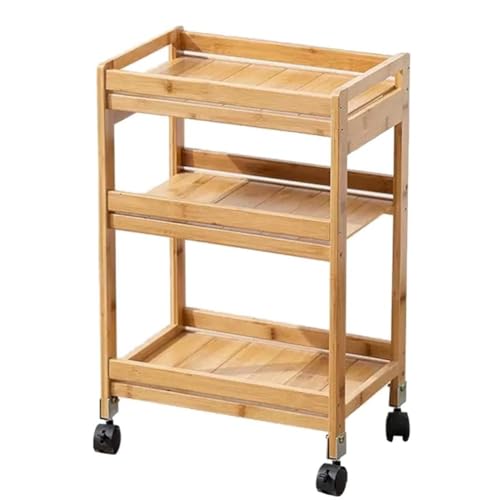

Engage with potential buyers promptly. Being responsive builds rapport and trust, increasing the likelihood of a sale. Don’t hesitate to negotiate; many buyers expect some haggling. Lastly, share your listings across various social media platforms. This amplifies your reach, allowing you to connect with a larger audience actively looking for new additions to their spaces.
Methods to Dispose of Unused Items
An effective strategy involves listing your items on multiple platforms simultaneously to increase visibility. Sites like Craigslist, Facebook Marketplace, and OfferUp allow for quick sales within local communities. Each listing should have clear descriptions and recent, high-quality images.
Pricing Strategy
Research comparable offerings to gauge a fair price. Aim for approximately 20-40% below the original retail price, factoring in condition and age. Be open to negotiation, as many buyers expect some back-and-forth before settling on a final amount.
| Factor | Percentage Below Retail Price |
|---|---|
| New Condition | 20% |
| Gently Used | 30% |
| Heavily Used | 40% |
Tips for Successful Transactions
Be prompt in responding to inquiries. Arrange meetings in well-populated, safe locations to facilitate exchanges. Cash is preferable; however, be cautious if accepting digital payments. Inform buyers about any flaws to maintain transparency and trust.
Determine the Market Value of Your Items
Research current listings on online marketplaces to see what similar pieces are being sold for. Look for items of the same style, condition, and age to establish a realistic price range.
Visit local thrift stores or consignment shops to observe how much they charge for comparable merchandise. This can give you insight into pricing strategies within your local area.
Consider the brand of your items, as some manufacturers command higher resale values than others. Gather as much information about the brand’s reputation and demand in the resale market.
Check completed sales on auction sites to see the final sale prices of items similar to yours. This helps determine what buyers are actually willing to pay.
Take into account the condition of your pieces. Assess whether they require repairs or refinishing, as this can significantly alter their value. Make necessary improvements to enhance appeal and justify a higher price.
Factor in the demand for specific styles and trends. Trending designs may fetch higher amounts, while outdated styles lower their value.
Establish whether you are selling to a private buyer or a retailer, as each may have different expectations and pricing norms.
Awareness of seasonal fluctuations can affect pricing. Certain periods of the year may yield better prices, so timing your sale strategically can have clear benefits.
Lastly, don’t hesitate to seek professional appraisals for high-value items. An expert can provide an accurate estimate and guide you on potential pricing.
Choose the Right Selling Platform
Selecting an appropriate venue is critical for turning pieces into cash. Online marketplaces like Craigslist, Facebook Marketplace, and OfferUp cater to local buyers, providing an easy way to list items for quick sales. Each platform has its unique audience; check which one suits your pieces best.
Social Media Channels
Utilizing social media can enhance visibility. Facebook groups focused on local buying/selling can generate interest quickly. Instagram allows for showcasing items with appealing photos, reaching potential buyers who appreciate aesthetics.
Specialty Sites
For vintage or designer items, consider platforms like Chairish or 1stDibs. They target niche audiences who are willing to pay more for high-quality items. These venues often handle shipping logistics, simplifying the process for you.
Prepare Your Items for Sale
Thorough cleaning is the first step. I dust every surface, vacuum upholstery, and remove any stains. If possible, I use a fabric cleaner for couches or a wood polish for wooden pieces to refresh their appearance.
Make Repairs
I inspect for any damages. If I notice scratches, I use wood filler or touch-up pens. Loose legs or hinges are tightened to ensure stability. Small repairs can significantly boost appeal.
Improve Presentation
- I take high-quality photographs using natural light, capturing multiple angles and details.
- I stage the item in a well-lit area or create an attractive background to highlight its features.
- Clear clutter around the item to avoid distractions, allowing potential buyers to focus on the piece itself.
Providing dimensions and detailed descriptions is crucial. I measure every piece and include this information in listings to help buyers visualize how it fits their space.
Staging the item can make a difference. I arrange similar pieces together to create an appealing display, making buyers envision how they could incorporate the items into their own homes.
Finally, I prepare to be flexible. If I receive inquiries, I respond quickly and politely. Being open to negotiation can facilitate successful transactions.
Write Compelling Descriptions and Take Quality Photos
To attract potential buyers, I focus on crafting engaging and informative descriptions. I ensure I include the dimensions, material, condition, and any notable features of the item. Highlighting the history or unique aspects adds depth. For instance, I mention if the piece is handmade or comes from a well-known designer.
When photographing, I use natural light to capture the item from multiple angles. A clean background enhances visibility, ensuring the focus remains on the product. I also take close-up shots to highlight textures or details. Avoid clutter in the frame to keep the buyer’s attention. A minimum of five high-quality pictures is my goal – including images that showcase the item in a styled setting can help potential buyers envision it in their space.
| Aspect | Recommendation |
|---|---|
| Description | Include dimensions, material, condition, and specific features. |
| Photos | Utilize natural light, clean backgrounds, multiple angles, and close-ups. |
| Styling | Incorporate images of the item in a furnished setting for context. |
Price Your Items Competitively
Research similar pieces online to establish a competitive rate. Reference platforms like Craigslist, Facebook Marketplace, or local classifieds to gauge what others ask.
I assess the condition, brand, age, and unique features of my items to adjust the price accordingly. A well-maintained, high-quality piece commands a better price, while wear or damage necessitates a reduction.
Set a price point that encourages inquiries without undervaluing. I use the strategy of pricing slightly above my desired amount to leave room for negotiation, which many buyers expect.
Consider seasonal demand–outdoor items might sell quicker in spring or summer, while cozy indoor pieces could be in higher demand during colder months. Adjust pricing based on these trends to maximize interest.
If time is a factor, I may opt for a lower price to expedite the sale. If I can afford to wait, pricing at the higher end allows for potential bargaining.
Lastly, I track similar listings in my area and adjust my strategy regularly based on buyer responses. Keeping an eye on local competition ensures my offerings remain appealing to potential buyers.
Negotiate with Potential Buyers
Set a firm maximum price in your mind before engaging with potential clients. This ensures you remain grounded during discussions. Actively listen to buyers’ offers and concerns; sometimes, they might reveal their true budget or motivations.
Utilize Effective Communication
Frame your responses positively. If a client makes a low offer, rather than dismissing it, acknowledge their position, and counter with your reasons for the asking price, highlighting quality or unique features. Use open-ended questions to encourage dialogue, such as, “What is your main priority in selecting this piece?” This approach helps you gauge their interest and adjust the negotiation strategy accordingly.
Create a Win-Win Scenario
Consider adding value instead of lowering the price. Offering delivery or the inclusion of accessories can entice buyers without compromising your asking price. Understand that flexibility can lead to a quicker transaction while still achieving a satisfactory outcome. Conclude negotiations with enthusiasm and thank them for their interest, leaving the door open for future communications.
Arrange for Delivery or Pickup Options
I always prioritize clear communication regarding delivery and pickup when dealing with potential buyers. Clearly state whether I offer delivery services or if the buyer must arrange transportation. If proposing delivery, I calculate fees based on distance and consider offering a flat rate for nearby areas.
Pickup Instructions
If buyers are responsible for pickup, I provide specific details about the location, parking availability, and any necessary precautions for safely transporting the item. I suggest scheduling pickups during daylight hours for better visibility and easier handling.
Delivery Coordination
I coordinate with reliable delivery services and offer potential buyers a couple of options. I also provide estimated delivery dates, ensuring buyers feel confident in their purchase. Clear organization reduces the chances of last-minute complications.
FAQ:
What are the best platforms to sell furniture online?
There are several popular platforms where you can sell furniture online. Websites like Facebook Marketplace, Craigslist, and OfferUp are widely used for local sales, allowing you to connect with buyers in your area. Additionally, specialized sites like Chairish, AptDeco, and Wayfair Marketplace focus specifically on furniture and home goods. Each platform has its own set of rules and audience, so it’s worth exploring which best fits your furniture type and selling goals.
How do I determine the right price for my used furniture?
Pricing your used furniture can be tricky. To get an accurate idea, start by researching similar items online to see what they’re being sold for. Consider the condition of your furniture, including any wear and tear, and adjust the price accordingly. Take into account how much you originally paid for it and how long you’ve had it. Setting the price slightly below market value can help attract buyers more quickly, especially if you want a fast sale.
What should I do to prepare my furniture for sale?
Preparing your furniture for sale is crucial for attracting buyers. Start by cleaning the items thoroughly to remove any dust and stains. If possible, make minor repairs to enhance their appeal. Consider taking high-quality photos in good lighting, showcasing different angles and features. Providing measurements and detailed descriptions can also help potential buyers make informed decisions. Lastly, make sure that the items are easily accessible for viewings or pickups.
Is it safe to meet buyers in person for furniture sales?
Meeting buyers in person can be safe if you take the right precautions. Always arrange to meet in a public place, preferably during daylight hours. If the furniture is large and needs to be viewed in your home, consider having a friend or family member with you. Trust your instincts about people; if someone seems suspicious or untrustworthy, feel free to decline the sale or change your meeting location. Safety should always be your top priority.
What should I do if my furniture doesn’t sell?
If your furniture doesn’t sell, don’t be discouraged. First, reassess your pricing and consider lowering it if necessary. You might want to refresh your listing with updated photos or descriptions to attract more interest. If you’re still not seeing results, think about selling it through different channels, such as thrift stores or charity organizations. Another option is to hold a garage sale, which can help you clear out multiple items at once.
What are the best platforms to sell my furniture?
There are several effective platforms where you can sell your furniture. Popular online marketplaces include Craigslist, Facebook Marketplace, and OfferUp. These platforms allow you to reach a local audience quickly. Additionally, you can consider specialized websites like Chairish or 1stdibs, which cater to furniture specifically. Each option has its own user base and features, so you may want to explore a few to see which one works best for your items. Lastly, don’t overlook local consignment shops or flea markets, which can also be great places to sell furniture in person.