Caleb Turner
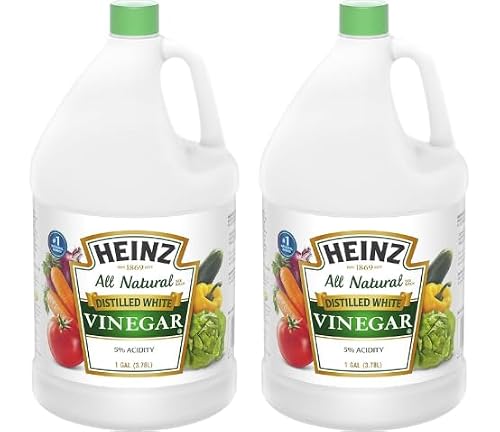
Mix equal parts of white vinegar and water to create a simple yet effective solution for eliminating unwanted buildup. Dampen a cloth with this mixture and gently wipe the affected area. The acidity of the vinegar helps to break down the stubborn residue without damaging the underlying finish.
If the residue persists, consider using a mixture of baking soda and water to form a paste. Apply the paste to the affected area and let it sit for a few minutes before gently scrubbing with a soft cloth. This method utilizes the gentle abrasiveness of baking soda to lift the residue without scratching the surface.
For a more thorough cleaning, mineral spirits can be an excellent choice. Soak a cloth with mineral spirits and carefully rub it onto the surface. Make sure to test this on a hidden spot first to ensure compatibility with your finish. This approach effectively dissolves the buildup while maintaining the integrity of the timber.
After removing the residue, always follow up with a clean, dry cloth to remove any remaining moisture or solution. This extra step ensures a pristine finish and helps maintain the beauty of your timber surfaces.
Removing Residue from Wooden Surfaces
I recommend utilizing a combination of natural oils and soft cloths to eliminate stubborn remnants from wooden surfaces. Olive oil or mineral oil works effectively. Apply a small amount to a lint-free cloth, then gently rub the area in circular motions.
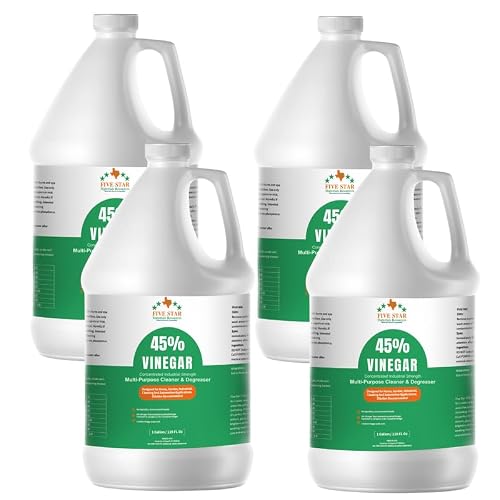

If the coating is thick, a mixture of equal parts white vinegar and water can assist in breaking down the build-up. Dampen a clean cloth with the solution and wipe the affected area, ensuring not to soak the wood.
For more resilient residues, consider using a plastic scraper at a low angle. This helps to lift off layers without damaging the finish.
| Material | Method | Notes |
|---|---|---|
| Olive Oil | Apply to cloth, rub gently | Good for light residues |
| Vinegar and Water Solution | Dampen cloth and wipe | Avoid soaking |
| Plastic Scraper | Gently scrape at an angle | Effective for thicker build-up |
After cleaning, ensure to buff the surface with a dry cloth to restore shine. If needed, a dedicated furniture polish can help protect and enhance appearance.
Understanding the Types of Wax on Wood Surfaces
Identifying the type of coating on surfaces is crucial before attempting removal methods. A common variant is beeswax, which has a natural, subtle sheen. This type is often combined with other oils for added protection. It provides a soft finish while enhancing the grain of the material, requiring gentle techniques for extraction.
Carnauba wax, sourced from Brazilian palm leaves, offers a harder, glossier layer compared to beeswax. It creates a strong barrier that protects against moisture and scratches. This robustness necessitates the use of heat or specialized solvents for effective removal.
Paraffin wax is another prevalent choice. It’s a petroleum-based product that forms a thick, protective layer. Its application on surfaces results in a shiny appearance, and it’s known for its durability. I found that it often requires a combination of scraping and solvent use for effective cleanup.
Candles, frequently made with various waxes, can leave behind residue when dripped on any surface. Depending on the candle type, residue characteristics may vary, urging caution as certain combinations can be more challenging to eliminate.
Lastly, furniture polish often contains wax as an additive for a glossy finish. Knowing its composition can help me choose appropriate removal strategies, as some polishes may be water-soluble, making them easier to manage with just damp cloths.
Gathering the Necessary Tools and Materials
For an efficient removal process, I ensure I have the following items ready: a soft cloth or microfiber cloth, which is gentle on surfaces and prevents scratches. I also select a scraper or putty knife, ideally made of plastic to avoid damaging the finish.
A solvent, such as mineral spirits or denatured alcohol, is crucial for dissolving residues without harming the surface. Paper towels or absorbent rags are handy for cleaning up any remaining product during the process. I keep a small bowl for mixing solutions as needed and gloves to protect my hands while applying solvents.
Lastly, a brush with soft bristles may help in reaching intricate details and crevices. Gathering these tools beforehand streamlines my workflow and helps me achieve the best results.
Testing Cleaning Methods on Inconspicuous Areas
Before applying any cleaning solution on the visible parts of my items, I ensure to test it in a hidden spot. This step prevents potential damage or discoloration. I choose areas that are less noticeable, such as the back of a drawer or the underside of a tabletop. These locations allow me to assess the effectiveness of the solution without compromising the overall appearance.
In my tests, I apply a small amount of the chosen cleaner using a soft cloth, gently rubbing it onto the surface. I observe for any immediate reaction, such as color change or dullness. After testing, I wait for a few minutes to see how the material reacts over time.
If the test spot remains intact, I proceed cautiously. If there’s any adverse effect, I quickly switch to another method. This approach is grounded in methodical assessment, ensuring the preservation of my valuable pieces.
| Cleaning Method | Test Area Used | Reaction Observed |
|---|---|---|
| Mineral Spirits | Under Drawer | No Change |
| Vinegar Solution | Back of Cabinet | Minor Dulling |
| Commercial Cleaner | Underside of Table | No Change |
This systematic testing enables me to confidently choose the best approach while safeguarding my possessions. Always prioritize preserving the integrity of surfaces before applying any cleaning technique.
Using a Heat Source to Melt the Residue
To effectively remove the buildup from your surfaces, a heat source can be particularly helpful. Follow these steps for optimal results:
- Gather your materials: a clean, soft cloth, an iron, and parchment paper or a brown paper bag.
- Set the iron to a low heat setting without steam. Too high a temperature can damage the finish beneath the accumulated substance.
- Place the parchment paper over the affected area. This protects the surface and absorbs the melted residue.
- Gently press the iron onto the paper for a few seconds. Keep the iron moving to avoid overheating any section.
- Check the paper periodically. If it becomes discolored, replace it with a fresh piece to continue absorbing the melted substance.
- Once the residue has been absorbed, remove the paper and wipe down the area with a clean, dry cloth.
Safety Precautions
- Always test a small, inconspicuous section before treating a larger area.
- Do not leave the iron unattended on the surface.
- Ensure the area is well-ventilated to avoid inhaling any fumes.
After this process, inspect for any remaining traces. Repeat if necessary, or consider alternative cleaning methods if stubborn remnants persist.
Applying solvents for removal
I recommend using mineral spirits or denatured alcohol as effective solvents for eliminating residue. Both options are relatively safe for most surfaces when applied correctly.
To start, dampen a soft, lint-free cloth with the chosen solvent. Ensure the cloth isn’t dripping, as excess liquid can damage the finish of the piece. Gently rub the affected area in circular motions. This method helps to break down the stubborn buildup.
If the initial attempt does not yield the desired outcome, allow the solvent to sit on the area for a few minutes. This dwell time can enhance its penetrating ability, making removal easier.
Afterwards, wipe the area with a clean, dry cloth to eliminate any residue and solvent traces. Ensure proper ventilation in the workspace during this process, as the fumes can be strong.
Always conduct a patch test beforehand on a hidden spot to confirm that the solvent does not adversely affect the finish. Each piece can react differently, and it’s best to proceed with caution.
If the finish remains susceptible even after these attempts, consulting a professional restorer might be necessary for more delicate or antique pieces.
Cleaning up residue after wax removal
To effectively clean residue after the removal process, I recommend using a soft, lint-free cloth dipped in a mixture of warm water and a few drops of mild dish soap. Wipe the area gently to prevent damaging the finish.
Next, rinse the cloth in clean water and wipe again to remove any soap residue. Dry the surface thoroughly with a separate clean cloth to avoid water spots.
If streaks remain, using a small amount of mineral oil or a commercial wood cleaner can help restore the shine. Apply it sparingly with a cloth and buff in circular motions until the surface looks polished.
For persistent residue, consider using a specialty cleaner formulated for your specific furniture finish. Always follow product instructions closely and avoid abrasive pads to protect the underlying surface.
Lastly, after cleaning, it’s advisable to apply a thin layer of furniture wax or finishing oil, if appropriate, to maintain protection and enhance the appearance. This step can also help seal any minor imperfections left behind.
Restoring the wood finish after cleaning
After removing residue from surfaces, applying a finishing product can rejuvenate the appearance of the material. The process typically involves several straightforward steps.
Choose the right finish
- Consider using a wood oil, polish, or a specific wood furniture repair product.
- Lightly assess the previous finish type to match your selected product.
Application tips
- Use a clean, soft cloth to apply the finishing product evenly across the surface.
- Work in small sections to prevent the product from drying before you can distribute it properly.
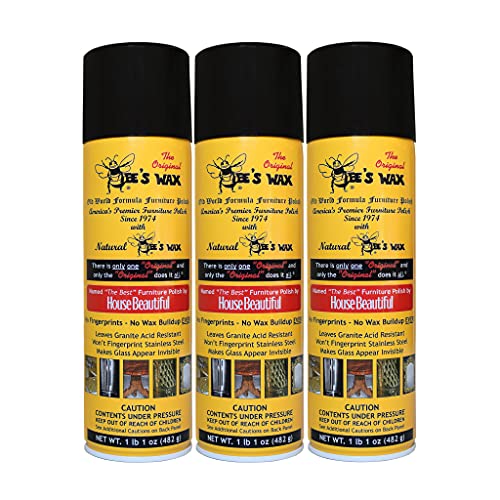
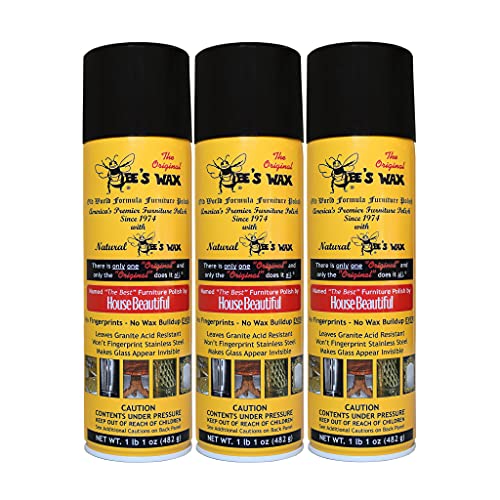
- For oil-based finishes, allow adequate time to penetrate; for aerosol products, follow the manufacturer’s guidelines for distance and application.
Ensure to buff the surface gently after application. This not only enhances the shine but also helps the finish adhere better. For optimal results, let the surface cure according to the packaging instructions.
Regular maintenance using appropriate cleaners and protective finishes can prolong the beauty and durability of your items. Be vigilant about keeping surfaces dust-free and avoiding harsh chemicals that could damage the finish over time.
Preventing Future Buildup on Surfaces
To maintain a clean appearance on my furnishings, I apply a few straightforward strategies. First, using coasters and placemats can protect surfaces from potential drips and spills. This simple step creates a barrier between hot or wet items and the finish.
Regular dusting with a microfiber cloth helps to eliminate residue before it accumulates. I make it a point to perform this task weekly to keep the surfaces clear.
Applying a high-quality, non-wax furniture polish can provide a protective layer that minimizes the likelihood of buildup. I choose products specifically designed for my furniture type to ensure compatibility.
Another method includes setting a schedule for periodic maintenance. I dedicate time every few months to check for any signs of residue and address them promptly. This proactive approach helps in managing cleanliness.
Educating family members and guests about proper care is crucial. I communicate the importance of keeping items off surfaces when possible and using appropriate cleaning tools.
Lastly, controlling the environment where furniture is placed can make a difference. Avoiding excessive heat sources or direct sunlight helps preserve the finish, reducing the chances of undesirable accumulation.