Caleb Turner
To achieve optimal performance off the tee, aim for a loft angle between 9 and 12 degrees. This range suits most players, allowing for balanced distance and accuracy.
If you have a slower swing speed, consider a higher loft, around 12 to 14 degrees. This setup helps in launching the ball higher, increasing distance and control. In contrast, more aggressive players with higher swing speeds might find 8 to 10 degrees ideal, promoting a penetrating ball flight.
Your skill level and play style matter significantly. Beginners often benefit from more forgiving variables, while lower handicappers might prefer fine-tuning to maximize distance and shot shape. Always test different options to find what feels most comfortable and effective.

Choosing the Right Angle for Your Club
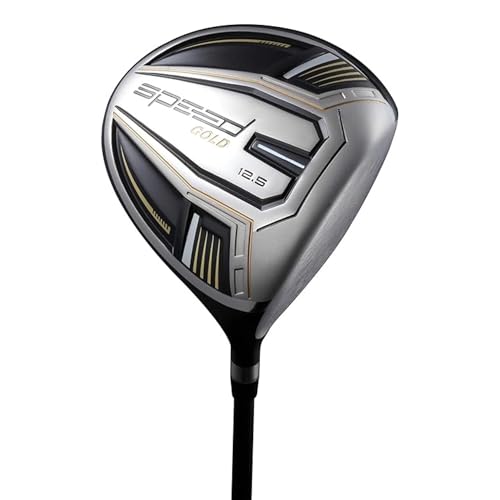
A 10.5-degree angle is ideal for players with moderate swing speeds seeking a balance of distance and control. For those generating higher speeds, a lower angle around 9 degrees can enhance distance through a lower trajectory.
If your swing speed is below 80 mph, consider a higher angle like 12-13 degrees to achieve optimal height and carry. This helps in maximizing distance by ensuring the ball stays airborne longer.
- 10-11 degrees: Suitable for average swing speeds (80-95 mph).
- 9 degrees: Best for fast swing speeds (over 95 mph).
- 12-13 degrees: Ideal for slower swingers (below 80 mph).
Additionally, assess your playing style. If you have a sweeping motion, a higher angle may suit you. Conversely, if you tend to take a steep approach, a lower angle might yield better results.
Experimentation with adjustable options allows fine-tuning your equipment for specific conditions or preferences. Test different angles during practice sessions to identify which height maximizes your performance and comfort.
Understanding Driver Loft Basics
I recommend focusing on the angle of the clubface because it significantly influences ball trajectory and distance. A lower angle, typically around 8-9 degrees, benefits those with faster swing speeds, promoting a lower launch and optimal roll. Conversely, an angle between 10-12 degrees suits moderate swing speeds, resulting in a balanced launch and distance.
Key Factors Influencing Loft Selection
It’s essential to consider swing speed and launch angle preferences. Players with slower swings may find higher angles, between 12-14 degrees, more beneficial for achieving adequate lift. This can help maximize distance by increasing the launch height. Beyond swing speed, personal comfort and ability to control shot shape play an integral role.
Testing for the Right Fit
I suggest experimenting with various angles during practice sessions. Utilize a launch monitor to gather data on ball speed, launch angle, and spin rate. This feedback enables informed decisions on the optimal angle that matches your unique swing characteristics.
Ultimately, customizing the angle based on individual performance metrics will lead to enhanced results on the course. Prioritize finding the right equipment that aligns with your swing dynamics and enhances your proficiency.
Calculating the Right Loft for Your Swing Speed
If your swing speed is between 90-100 mph, a launch angle of around 12-14 degrees is typically optimal. This allows for maximum distance and effective ball flight. For swing speeds under 90 mph, I recommend choosing a clubhead with 14-16 degrees of angle to help get the ball airborne more easily.
For those with faster swings, exceeding 100 mph, I prefer a lower angle, around 9-11 degrees. This minimizes spin and maximizes rollout on landing.
Recommendations Based on Speed
- Swing Speed 90-100 mph: 12-14 degrees
- Swing Speed under 90 mph: 14-16 degrees
- Swing Speed over 100 mph: 9-11 degrees
Adjusting for Additional Factors
Other aspects such as swing path and angle at impact can also influence the ideal clubhead tilt. It’s wise to consider the following:
- Testing different angles to find personal comfort and performance
- Consulting with a professional for a personalized fitting
- Using launch monitors to analyze ball flight data accurately
This approach ensures an informed decision tailored to my unique characteristics, enhancing both control and distance on the course.
How Does Launch Angle Affect Driver Loft Selection?
To optimize your performance, you should aim for a launch angle between 12° and 15°. The right angle allows for maximum distance and control over the ball’s trajectory.
Launch angle is the initial angle at which the ball leaves the clubface. Selecting the appropriate angle can help improve distance, accuracy, and feel. A higher launch angle generally benefits players with slower swing speeds, as it reduces spin and increases carry distance. Conversely, those with faster swing speeds might benefit from a lower angle for optimal penetration and control.
Analyzing Swing Speed and Launch Angle
For example, if your swing speed is around 85 mph, a higher launch angle (15°) can help achieve the necessary lift for longer carries. However, if your swing speed exceeds 100 mph, a flatter angle (12° or less) can assist in controlling the ball and optimizing distances. It’s crucial to find the balance that complements your swinging style rather than sticking to generic guidelines.
Impact of Spin Rate
Another factor intertwined with launch angle is spin rate. A higher launch angle paired with excessive spin can lead to ballooning, reducing overall distance. Targeting a spin rate between 2400 to 3000 RPM often leads to better performance, as this range maximizes carry while still offering desirable control. Adjusting the angle helps manage spin rate effectively, thus enhancing your total distance.
Ultimately, experimenting with different settings and seeking professional fitting ensures that you achieve the ideal trajectory specific to your playing style.
Matching Driver Loft with Your Playing Style
For players with a sweeping swing style, I recommend a driver with an angle ranging from 10.5° to 12°. This higher angle promotes an optimal launch and encourages a longer carry distance. Conversely, those with a more steeper attack might benefit from 8° to 10° settings, which help in achieving a lower trajectory and enhanced control on windy days.
Clubhead Speed and Angle Selection
My swing speed plays a critical role in determining the appropriate angle. Players with swing speeds above 100 mph generally perform better with lower angles, while those below 90 mph should aim for higher angles to maximize distance and consistent ball flight.
| Swing Speed (mph) | Recommended Angle (degrees) | Expected Distance (yards) |
|---|---|---|
| Less than 85 | 12°+ | 200-220 |
| 85-95 | 10.5°-12° | 220-240 |
| 95-105 | 9°-10.5° | 240-260 |
| Over 105 | 8°-9° | 260+ |
Consistency and Adjustments
It’s vital to adjust my selection based on both play conditions and personal comfort. Experimenting with different angles can improve my performance in various situations. By trying various settings in practice, I can fine-tune my approach on the course for better results.
Common Mistakes in Choosing Driver Loft
One frequent error is assuming that lower angles equate to longer distances. A steeper angle can actually help achieve optimal launch conditions for many players. Instead of focusing solely on distance, I prioritize achieving a proper trajectory and spin rate tailored to my swing mechanics.
Another misconception is neglecting individual swing characteristics. I learned early on that my swing speed and attack angle directly influence the angle that suits me best. Ignoring these factors can lead to poor outcomes, leaving my shots feeling inconsistent.
Many players also underestimate the impact of face angle in conjunction with loft. Incorrectly pairing these factors can result in slices or hooks, undermining accuracy. Ensuring these elements complement each other is crucial for consistent results.
Some golfers mistakenly stick to their favorite brand without considering performance adjustments across various options. I found that experimenting with different manufacturers revealed that some models performed better with my swing style, regardless of brand loyalty.
Lastly, I realize that relying solely on off-the-rack options can limit performance. Custom fitting offers insights into my unique needs, helping pinpoint the perfect specifications to enhance my play.
Custom Fitting: Why It Matters for Loft Selection
Getting fitted for your equipment significantly improves your performance and enjoyment. A custom fit ensures that the angle of the clubhead aligns perfectly with your swing characteristics. Proper fitting can enhance accuracy, distance, and overall consistency.
Benefits of Custom Fitting
- Tailored Specifications: Adjustments to the club’s angle, stiffness of the shaft, and grip size are made to match your individual swing style.
- Optimized Performance: An accurate fit can lead to higher launch angles and reduced spin, maximizing distance.
- Increased Confidence: Knowing that your equipment is suited to your personalized metrics boosts confidence on the course.
Selecting the Right Angle with Professional Guidance
Consulting with a professional fitter allows for precise measurements of swing speed, launch angle, and more. They can analyze data to determine the optimum angle that complements your unique swing mechanics.
- Pitching the club to a specific angle based on individual needs prevents common issues like ballooning shots or low drives.
- Fitting sessions often include testing multiple options, allowing for real-time adjustments based on performance feedback.
Incorporating custom fitting into your selection process enhances both your technical abilities and enjoyment of the sport.
Testing Different Lofts on the Course
For optimal performance, I recommend experimenting with various angles during practice rounds. Choose drivers with lofts ranging from 8 to 12 degrees to see how each affects distance and accuracy. After selecting a few options, hit several balls from the tee with each and take note of how the ball flies.
Comparing carry distances is crucial; pay attention to launch height and ball spin. Make sure to compare with similar swing speeds to draw accurate conclusions. For instance, I found that a 10.5-degree option suited me better, providing a higher launch and more controlled descent.
While on the course, analyze different situations. Adjust loft according to conditions like wind and course layout. I noticed that in headwinds, a lower loft helped keep my shots more penetrating, while in calm conditions, a higher loft produced favorable results. This variability can greatly influence performance.
In addition to personal testing, ask for feedback from playing partners on ball flight. Their perspectives can reveal nuances that I might overlook. Testing in real-world settings offers insights that hitting on the range simply cannot provide.
Documenting results over multiple rounds can help establish patterns. Look for consistencies in how different lofts affect your game based on swing technique and course demands. This data-driven approach allows for informed adjustments to your preferences, ensuring a tailored fit for your playing style.
Adjustable Drivers: Flexibility in Loft Options
For an adaptable solution, adjustable clubs truly stand out. These models allow me to modify the angle of the clubhead, providing an avenue to fine-tune ball flight according to my swing dynamics and playing conditions. With this feature, I can easily switch between different settings, enhancing my ability to optimize distance and trajectory.
Benefits of Adjustable Settings
Utilizing an adjustable club helps me to address specific aspects of my game, such as dealing with wind conditions or optimizing performance on slower courses. The ability to tailor loft options means I can experiment with how the ball reacts at various launch angles. This has been particularly beneficial when facing challenging course layouts that demand different shot shapes.
Technical Specifications
Typically, these models offer a range of loft adjustments, allowing changes of up to 2 degrees either way. Below is a comparison table of popular brands and their loft adjustment capabilities:
| Brand | Model | Loft Adjustment Range |
|---|---|---|
| Brand A | Model X | 8° – 12° |
| Brand B | Model Y | 9° – 13° |
| Brand C | Model Z | 10° – 14° |
Experimenting with these settings allowed me to recognize the direct impact on my rhythm and consistency. Finding the right balance has helped to greatly reduce instances of mis-hits, resulting in increased confidence on the tee. Adjustability not only enhances my precision but also fosters an understanding of how variations in loft influence shot dynamics.