Caleb Turner

In most cases, it is the duty of the property owner to ensure that thermal protection measures are adequate. If your dwelling lacks sufficient warmth retention above, you may want to discuss this matter with them. Regulations often stipulate that specific standards must be met for thermal efficiency, which directly impacts comfort and utility costs.
Before addressing your concerns, it’s beneficial to review local tenancy laws. Many jurisdictions impose minimum requirements regarding energy efficiency that property owners must adhere to. Understanding these guidelines can empower you when negotiating improvements in your living space. Documenting the current state of thermal barriers can provide a clear basis for your discussions.
Consider providing your landlord with details about the potential benefits of enhanced thermal protection, such as lower energy bills and an increased property value. Engaging in this conversation with clarity will help you advocate for necessary upgrades. Additionally, exploring any available incentives for energy efficiency improvements may add further weight to your request.
Understanding Landlord Obligations Regarding Insulation
Most property owners must comply with housing standards, including requirements related to heat retention measures. Typically, I can expect them to ensure adequate barriers exist in the property to reduce energy loss. This covers various aspects, including spaces above the living areas which significantly impact warmth and comfort levels.
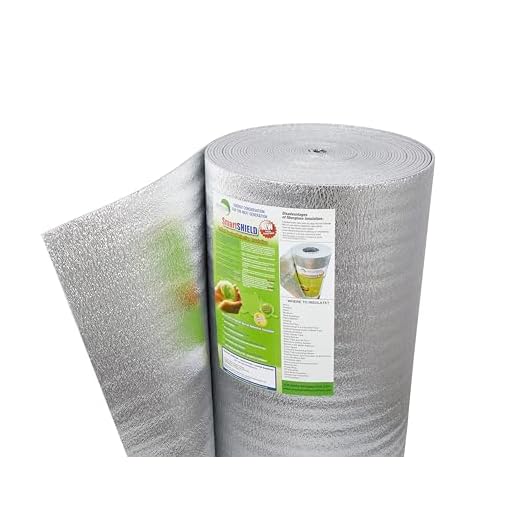

It’s advisable to check local regulations as they may specify minimum standards for thermal protection. Some regions mandate that residences must have a certain amount of mineral wool, fiberglass, or similar material to meet energy efficiency criteria.
Documenting the current condition of the thermal barriers can assist in clarifying any issues. If I notice inadequate coverage, it’s recommended to formally request improvements in writing, citing specific legal frameworks or guidelines. This creates a record that may be helpful for future discussions or disputes.
In cases where enhancements are necessary, I should be aware of the timeline within which these changes should occur. If the owner does not comply with repairs to the thermal layers, I have options to escalate the matter, such as seeking advice from local tenant support organizations.
Maintaining a reasonable level of warmth is not just about comfort; it also directly impacts energy bills and overall living conditions. Being aware of these obligations not only protects my rights but also fosters a healthier living environment. Staying informed equips me to advocate effectively for necessary improvements.
Legal Requirements for Loft Insulation in Rental Properties
My research indicates that various laws mandate property owners to maintain adequate energy efficiency measures within their units. In the UK, the Energy Act 2011 and the Energy Efficiency (Private Rented Property) (England and Wales) Regulations 2015 are pivotal in outlining the standards for energy performance.
Mandatory Energy Performance Ratings
An Energy Performance Certificate (EPC) is compulsory. If the rating falls below an E, the building cannot be rented out until improvements are made to meet this minimum standard. Insulation is key to achieving higher ratings.
Remedies for Non-Compliance
Should I encounter insufficient thermal barriers, I can report this to the local council, which has the authority to enforce compliance actions. Fines can be issued if these regulations are ignored, underscoring my right to a comfortable living environment.
- Check the EPC rating of the property.
- Request improvements if the rating is below E.
- Contact local authorities for enforcement if necessary.
Being informed about these legal standards empowers me to ensure that my living space meets required energy efficiency benchmarks, promoting both comfort and sustainability.
Evaluating the Quality of Existing Loft Insulation
Begin by examining the thickness of the material. Ideally, it should measure at least 270mm to provide optimal thermal resistance. If it falls short, consider an upgrade.
Next, investigate for any visible gaps. Areas around pipes, wiring, or edges often present significant thermal bridges, compromising efficiency. Seal these voids using suitable fillers to enhance performance.
Assess the integrity of the current material. Signs of moisture, mold, or damage indicate a need for replacement. If the insulation feels damp to touch, it can lead to health risks and should be immediately addressed.
Check for any compressed areas. Insulation loses effectiveness when packed down. If compression is evident, redistributing or adding more material can rectify this.
Conduct an energy assessment. Review your energy bills–if consumption appears unusually high, it may signal insufficient thermal barriers. Consider consulting a professional for a detailed inspection.
Lastly, ensuring ventilation is adequate in the space is vital. Poor airflow can lead to moisture accumulation, degrading the material over time. Installing vents or insulation with breathable properties can mitigate these risks.
Tenant Rights in Cases of Insufficient Insulation
As a renter, I can assert my rights when dealing with inadequate thermal barriers in my rented property. The lack of proper heat retention can lead to higher energy bills and uncomfortable living conditions. I should first document the situation thoroughly. This includes taking photographs of the existing setup and noting any areas where heat loss is evident.
Communication Steps
Opening a dialogue with my landlord is crucial. I can draft a formal letter or email outlining my concerns regarding energy inefficiency and the impact it has on my living environment and costs. Citing building regulations and outlining my expectations for improvement can add weight to my request.
Legal Recourse
If my concerns are not addressed, I have the right to seek advice from local tenant support organizations or legal aid services that specialize in housing issues. In extreme cases where conditions are unlivable, I might consider reporting the property condition to local authorities for further investigation, which can prompt necessary action from property management. I can also explore options for withholding rent until critical issues are resolved, although this should be done cautiously and ideally with legal guidance.
Being proactive and informed about my rights empowers me to advocate for a more energy-efficient and comfortable living space.
Steps to Request Insulation Improvements from Your Landlord
I recommend starting with a formal written request, clearly stating the need for enhanced thermal barriers in the property. Provide specific examples of energy inefficiencies and how they affect your living conditions. Be factual and concise to ensure your message is clear.
Document Existing Conditions
Before submitting your request, take photographs or videos of the current state of the ceiling space and any related areas. This visual evidence can significantly strengthen your case, showing any gaps in thermal protection or water damage.
Research Local Regulations
Familiarize yourself with regional laws regarding thermal energy retention standards in rental properties. This knowledge not only informs your request but also empowers you to advocate based on legal frameworks if necessary. Document any relevant codes or guidelines that apply to your situation.
| Step | Description |
|---|---|
| 1. Written Request | Compose a clear and concise letter outlining the need for improvements. |
| 2. Evidence Compilation | Collect photos and videos demonstrating current issues. |
| 3. Research | Understand local ordinances concerning energy efficiency and property standards. |
| 4. Follow-Up | After submitting your request, follow up within a reasonable timeframe to check on progress. |
| 5. Seek Support | If necessary, contact local tenant advocacy organizations for additional assistance. |
By methodically approaching your request and leveraging documented conditions, you increase the likelihood of a positive response regarding improvements to the energy efficiency of your residence.
Possible Costs and Financial Assistance for Loft Insulation
I recommend exploring grants and local financial aid programs specifically designed for improving energy efficiency in homes. Depending on your location, various government incentives may cover a significant portion of the expenses associated with adding thermal barriers in the upper areas of your dwelling.
The cost of installing a thermal barrier can vary considerably, often ranging from £400 to £1,500, depending on the size of the space and the materials used. I advise obtaining multiple quotes from accredited contractors to ensure a fair price. Ask about any available subsidies or financing options that could help alleviate the initial outlay.
Check your eligibility for programs such as the Energy Company Obligation (ECO), which mandates suppliers to assist with home energy enhancements, particularly for low-income households. This initiative might provide free or reduced-cost services for those in need.
Local councils sometimes offer additional support, including interest-free loans or grants for energy-saving measures. Visit your council’s website or contact them directly for more details. I suggest maintaining documentation of all inquiries and proposals to ensure a clear record of your efforts to enhance your living conditions.
If you explore these financial avenues, improvements can often lead to reduced energy bills and increased comfort all year round, making the initial investment worthwhile in the long term. Don’t hesitate to ask for assistance, as many resources exist to help with these enhancements.