Caleb Turner

I’ve found that the quickest way to enhance energy efficiency in my space is to seal the entry point to the upper area. Use a thick piece of foam board or an insulated hatch cover that snugly fits over the opening. This method minimizes heat loss and keeps the area below much warmer during colder months.
Additionally, I recommend adding weatherstripping around the edges of the access panel. This simple step prevents drafts and enhances the overall thermal barrier. Ensure the stripping is properly adhered, as gaps can lead to significant energy waste.
For those who frequently ascend and descend, consider installing a removable cover that can easily be dealt with while accessing the space. An insulated cover keeps thermal performance high without sacrificing convenience. I’ve found that combining these strategies not only improves comfort but also lowers energy costs significantly.
Steps to Enhance Energy Efficiency of Access Point
Begin by measuring the dimensions of the entryway. Accurate measurements will guide the selection of materials.

Materials Required
- Insulation board or foam strips
- Weather stripping
- Adhesive or tape
- Hand saw (if cutting is necessary)
Procedure
- Cut the insulation to fit the frame snugly.
- Apply adhesive or tape to secure the insulation around the edges.
- Place weather stripping along the opening to prevent air leakage.
- Ensure that the access point closes tightly after installation. Adjust as needed.
After completing the project, check for drafts or heat loss areas and address any concerns to maximize the benefits of your enhancements.


Choosing the Right Insulation Material for Loft Hatch
For superior thermal performance, I recommend focusing on materials with a high R-value. Fiberglass and rigid foam boards are popular choices. If soundproofing is a priority, mineral wool may be better suited due to its density.
Material Comparison
| Material | R-Value (Per Inch) | Benefits | Drawbacks |
|---|---|---|---|
| Fiberglass | 2.9 – 3.7 | Cost-effective, moisture-resistant | Can be itchy, requires protective gear |
| Rigid Foam Board | 3.8 – 6.5 | High insulation value, lightweight | Higher cost, potential for off-gassing |
| Mineral Wool | 3.1 – 4.0 | Fire-resistant, sound-deadening | More expensive than fiberglass |
| Spray Foam | 3.5 – 6.5 | Seals gaps, high R-value | Professional installation required, expensive |
Key Factors to Consider
Choosing the ideal material also involves local climate conditions and personal budget. In colder climates, higher R-values are needed. Moisture resistance is crucial in humid areas. Always assess compatibility with existing structures and any necessary tools or protective equipment required for installation.
Measuring Your Loft Hatch Dimensions Accurately
To achieve a snug fit, I first measure the opening by taking the width and length from one edge to the opposite edge. Using a tape measure, I ensure precise readings, holding it taut for accuracy. It’s important to measure both the inside edge and the outer frame, as discrepancies can occur if the frame isn’t perfectly square.
I record measurements of any protruding elements around the edge to avoid miscalculations. To gather additional data, I check the height from the floor to the top of the opening, ensuring no obstacles interfere. If the structure has a slope, factoring in the angle can assist in achieving a better snugness.
If there’s a cover, I measure its dimensions in a similar manner–height, width, and thickness. Pay attention to hinges or added structures, as they can influence fitting. Recognizing discrepancies between the frame and the actual cover can lead to a proper seal later on.
After obtaining all necessary details, reviewing them ensures clarity. I double-check each measurement, looking for consistency. Paper and pencil help in documenting these figures accurately; this minimizes the chance of error when selecting materials for the project.
Preparing the Area Around the Loft Hatch
Clear the space directly beneath the opening. Remove any items or furniture that could obstruct access or present safety hazards while working. This step enhances mobility and ensures a smooth installation process.
Inspect the surrounding walls and ceiling for any damage. If repairs are needed, addressing them beforehand will provide a stable foundation for the insulation work. Look for cracks, gaps, or signs of moisture, as these can affect performance.
Ensure proper lighting in the area. Use portable lamps or additional lights to illuminate the workspace, especially if the installation occurs in a dimly lit room. Adequate visibility aids in precise measurements and safe handling of materials.
Lay down a protective covering on the floor beneath the access point. A drop cloth or cardboard protects against dust and debris from installation activities. This simple precaution makes post-work cleanup easier.
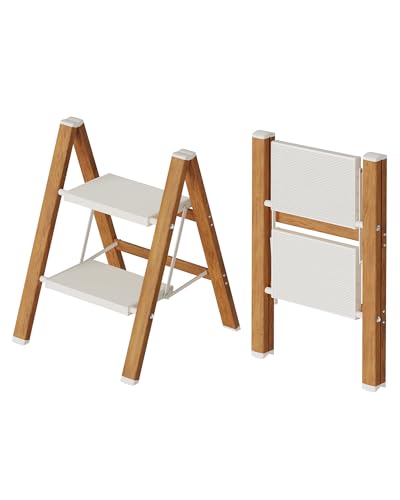
Position a sturdy step stool or platform beneath the opening if necessary. This aids in reaching the hatch safely, especially if additional height is required for effective application of materials around the perimeter.
Keep tools organized and within reach. Having insulation materials, adhesives, and cutting tools readily available minimizes interruptions and enhances efficiency during the project.
Applying Insulation to the Loft Hatch Frame
I recommend using self-adhesive insulation strips around the edges of the frame. Measure the perimeter accurately and cut the strips to fit snugly. This method creates a tight seal, minimizing heat loss. Consider using a foam or rubber material that compresses slightly to fill any gaps effectively.
Sealing the Space
Once the strips are in place, check if any drafts persist by running your hand around the edges. If you detect cold air, additional caulk can be applied to fill any remaining cracks. Ensure the surface is clean and dry before this step for better adhesion.
Finishing Touches
After sealing, close the access point to test its effectiveness. During the colder months, monitor the temperature difference. If you still feel cold air, adding a layer of fleece-lined cover can improve comfort and further reduce energy costs.
Installing a Draft Excluder for Better Sealing
Begin by selecting a draft excluder that matches the dimensions of your access point. Measure the perimeter accurately to ensure a snug fit. Opt for an excluder made of quality materials, such as foam or rubber, which provides durability and effectiveness against unwanted airflow.
Preparation Steps
Clean the area around the opening thoroughly to remove dust and debris. This ensures that the adhesive or fastening method will bond effectively, creating a solid seal. If using adhesive tape, make sure the surface is dry and free from any grease or dirt.
Installation Process
Apply the draft excluder along the edges of the frame surrounding the entry. Start at a corner and work around, pressing firmly to secure it in place. If using adhesive tape, smooth it down to eliminate air pockets. For a more robust installation, consider using screws to attach the excluder directly to the structure.
After installation, test the seal by checking for airflow. Light a candle near the seams and observe if the flame flickers, indicating drafts. If needed, adjust or add extra layers of sealing material to achieve an airtight fit. This simple addition significantly enhances energy efficiency, keeping the warmth in.
Ensuring Proper Ladder Accessibility After Insulation
Consider installing a foldable or retractable staircase if the current ladder is difficult to maneuver post-installation. This can enhance ease of access while retaining energy efficiency.
Choosing the Right Type of Ladder
Opt for lightweight materials like aluminum for ease of handling. Ensure the ladder has a weight capacity adequate for your needs, accommodating tools and any additional gear.
Maintaining Clear Pathways
After insulating, regularly check that the area around the access point is free of obstructions. Tag the location clearly, especially if it’s used frequently, to prevent accidental blockages.
| Feature | Benefit |
|---|---|
| Foldable Structure | Less space required, easy storage |
| Lightweight Material | Simple to carry and position |
| Locking Mechanism | Increased stability during use |
Position storage boxes or other items away from the access route to keep it clear. Regular maintenance checks on the ladder’s efficacy can prevent accidents and maintain usability over time.
Testing the Insulation Effectiveness Post-Installation
After completing the sealing project, I recommend performing a thermal scan of the area using an infrared thermometer. This helps identify any cold spots, indicating where airflow may still exist. Ensure your home is at a stable temperature before starting this check for accurate readings.
Conducting a Blower Door Test
A blower door test can be invaluable for assessing the airtightness of the space. By depressurizing the interior, it’s possible to observe how much external air infiltrates the area. If the results show considerable air leakage, I would suggest revisiting the sealing work, adding caulk or additional barriers where necessary.
Monitoring Energy Bills
Tracking energy usage over several months provides insight into the success of the improvements. A noticeable reduction indicates that the work has paid off. If bills don’t reflect expected changes, it might signal underlying issues requiring further investigation.
Regular checks for drafts or temperature discrepancies will help maintain optimal conditions. Adjustments to the sealing might be necessary as time goes on, ensuring ongoing performance.
Maintaining the Insulation Over Time
Regular assessment of the barrier’s integrity is vital. Check for any signs of wear or damage, such as tears or gaps in the material. If any issues arise, replace the damaged sections promptly to prevent air leaks.
Every year, during the seasonal transitions, I perform a thorough inspection of the entire system. I look closely at the frame and ensure that no condensation or moisture buildup occurs, as this can compromise thermal resistance significantly.
Cleaning the area surrounding the access point is also crucial. Dust and debris can gather and interfere with the efficiency of the installed materials. A simple bi-annual cleaning routine helps maintain optimal performance.
Store items away from the opening to prevent accidental damage to the insulation. Having a neat and organized space around the entryway minimizes the risk of physical contact that could lead to deterioration.
During extreme weather, I monitor temperature changes inside the property. If I notice any significant fluctuations, it may indicate that additional measures or repairs are needed to keep energy costs manageable.
Lastly, consulting with a professional every few years can provide insight into whether the current insulation materials remain adequate or if updates are necessary. Keeping informed ensures the household remains energy-efficient and comfortable.
Common Mistakes to Avoid During Insulation Process
One major pitfall is neglecting to account for the exact dimensions of the access point and adjacent areas. Failing to measure carefully can lead to ineffective coverage and waste of materials.
Overlooking Material Compatibility
- Ensure that chosen materials are suitable for the environment–some insulations may not work effectively in humid conditions.
- Mixing different types can result in gaps and loss of temperature control.
Ignoring Airflow and Ventilation
- Neglecting airflow can lead to moisture buildup, causing mold or damage to surrounding structures.
- Not considering existing ventilation systems means risking problematic air pockets.
Another common error is improper sealing around the edges. Gaps can significantly reduce thermal performance. Always check for tight seals and consider the installation of weather stripping for enhanced protection.
Additionally, it’s crucial to test accessibility after installing materials. Creating an obstruction can add frustration when needing to reach the area in the future.
Lastly, avoiding regular maintenance may result in unforeseen issues later on. Plan routine checks to ensure everything remains intact and performing as intended.