
 Caleb Turner

First, consider incorporating natural materials that enhance the rustic appeal of your upper area. Wood beams, reclaimed barn doors, and stone elements can create a cohesive aesthetic, tying together the natural environment with your interior. Using warm colors in your decor – think earthy browns, deep greens, and soft creams – can further amplify this connection with nature.
Next, prioritize functionality without compromising style. Invest in multi-purpose furniture such as a daybed that serves as seating by day and a cozy sleeping space by night. This not only maximizes the available space but also complements the overall look, keeping it inviting and airy.
Incorporating cozy textiles such as wool throws, plush area rugs, and soft cushions can enhance comfort while adding layers of texture to the design. These elements invite relaxation, making the area feel like a retreat away from the ordinary.
Lastly, consider lighting carefully. A combination of ambient, task, and accent lighting will create an inviting atmosphere. Statement pendant lights or chandeliers made from natural materials can serve as focal points, while table lamps provide warmth and functionality without overwhelming the space.


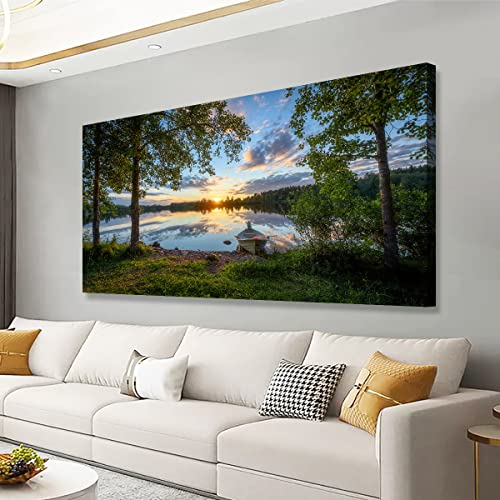
Choosing the Right Color Palette
Select earthy tones like deep greens, rich browns, and soft tans to create a cohesive feel with the natural materials in the structure. Accent with warm shades of burnt orange or mustard yellow to infuse warmth. This balance enhances the inviting atmosphere, while also complementing the timber’s texture.
Layering Textiles for Comfort
Incorporate a variety of fabrics such as wool throws and plush cushions to add depth to seating areas. Choose patterns that reflect rustic themes, like plaids or nature-inspired designs, to enhance the rustic aesthetic. Natural fibers like cotton and linen can add comfort while maintaining a breathable, cozy environment.
Incorporating Natural Elements
Integrate plants and greenery to breathe life into the space. Consider placing potted ferns or hanging plants to bring a touch of the outdoors inside. Wooden shelves can serve both functional and decorative purposes, displaying personal items or nature-inspired decor to enhance the organic vibe.
Choosing the Right Color Palette for Your Loft
I recommend selecting a palette that highlights natural elements while creating a warm ambiance. Earthy tones such as deep browns, warm beiges, and muted greens enhance the rustic aesthetic often associated with timber structures.
Consider incorporating accents in shades like soft blues or muted yellows to introduce a touch of brightness without overwhelming the space. These colors pair well with wooden surfaces, enhancing their beauty and promoting a sense of tranquility.
For a modern twist, try adding metallics or deeper jewel tones as accents in decor or furnishings. This will add depth and sophistication while maintaining the charming, rustic feel of the area.
Testing paint samples under varying lighting conditions can be beneficial. Natural light interacts differently with colors throughout the day, influencing how they appear within the environment.
Finally, harmony is vital; ensure that the selected hues work together cohesively. Combine multiple shades from the same color family for a layered look that feels intentional and well-integrated.
Maximizing Space with Smart Furniture Choices
Utilize multi-functional furniture to optimize limited square footage. For example, a bed with built-in storage drawers eliminates the need for additional furniture pieces and keeps the area tidy.
Storage Solutions
Consider vertical space by installing shelving units that reach the ceiling. Wall-mounted shelves or corner shelves keep the floor clear while providing ample storage for books, decor, or other essentials. Additionally, look for ottomans or benches with internal storage that can double as seating and conceal items.
Foldable and Extendable Furniture
Choose foldable tables and chairs that can be easily tucked away when not in use. Extendable dining tables are perfect for accommodating guests without taking up unnecessary space during everyday use.
| Furniture Type | Functionality |
|---|---|
| Storage Bed | Maximizes sleep area while providing storage |
| Wall-mounted Shelves | Utilizes vertical space for storage |
| Foldable Chairs | Easy to store, adaptable for guests |
| Extendable Table | Spacious for gatherings, compact for daily use |
Incorporating these pieces will not only enhance functionality but also maintain an open and airy atmosphere. The right selections help create a more organized and inviting environment while ensuring every inch serves a purpose.
Incorporating Natural Elements into the Design
I recommend prioritizing the use of wood, stone, and greenery to create a harmonious atmosphere. Wooden beams or planks can enhance the rustic charm; consider leaving some surfaces untreated for an authentic touch.
Adding stone accents, such as a fireplace made of local stone, can serve as a stunning focal point. This material brings an earthiness that pairs well with wooden features. Try to keep the stone’s natural texture exposed.
Integrating houseplants not only adds color but also improves air quality. Opt for hardy varieties that thrive in low-light conditions, like snake plants or pothos. Hanging plants can also draw the eye upward, accentuating vertical space.
Incorporating natural fibers in textiles, such as wool or cotton, can enhance comfort while maintaining an organic feel. Choose rugs, throws, and cushions in neutral tones or earthy colors to complement the surrounding materials.
Lighting plays a crucial role; opt for fixtures made from organic materials like wood or rattan. Natural light should be maximized through windows and skylights, creating an airy ambiance.
Incorporate elements that reflect the local environment, like driftwood or stones collected from nearby rivers. These personal touches can tell a story while reinforcing the connection to nature.
Finally, consider the layout to promote a flow that mirrors natural landscapes. Arranging furniture to encourage conversation while leaving open spaces can create a sense of harmony, enhancing the overall aesthetic.
Lighting Solutions to Enhance the Loft Atmosphere
Incorporating a variety of light sources is crucial. I recommend layering lighting elements, such as ambient, task, and accent fixtures, to create depth and interest. A statement chandelier or pendant light can serve as a focal point while providing overall illumination.
For reading nooks or workspaces, adjustable wall sconces or desk lamps offer functional lighting without overwhelming the space. I suggest placing them strategically to minimize shadows and maximize usability.
Natural light through skylights or large windows is invaluable. I often use sheer curtains to filter sunlight while maintaining privacy. This approach brightens the area during the day, creating an airy feel.
Incorporating LED strip lights under shelves or along beams adds a modern touch. This lighting solution is subtle yet effective, highlighting architectural features and enhancing the cozy atmosphere during the evening.
Lastly, consider using dimmable options for flexibility in mood lighting. Being able to adjust brightness levels allows for easy transitions from vibrant social settings to more intimate gatherings.
Adding Textiles for Comfort and Warmth
Incorporating a variety of fabrics significantly enhances coziness in the upper space. I recommend using woven throws and quilts, which provide both warmth and texture. Opt for natural fibers like wool or cotton; they not only feel inviting but also add an organic touch to the environment.
Layering Fabrics
Layer textiles for a richer, more inviting ambiance. Start with heavier blankets or area rugs to anchor the space, then add lighter throws or cushions for contrast. Incorporating these layers creates a warm refuge, perfect for curling up with a book.
Choosing Colors and Patterns
Select textiles in warm, earthy tones to complement the natural wood elements. Embrace plaid, stripes, or nature-inspired prints that evoke a rustic aesthetic. These patterns can tie the decor theme together, adding visual interest without overwhelming the senses.
Art and Wall Decor Ideas for a Rustic Look
Incorporating artwork and wall decor that reflects the earthy, rustic charm of a wooded retreat can significantly enhance the overall aesthetic. Opt for pieces that capture natural elements or local landscapes. Consider the following options:
- Nature-Inspired Artwork: Choose prints or paintings featuring forests, mountains, or serene lakes. These can be in muted, earthy tones to blend seamlessly with wooden surfaces.
- Wooden Frames: Use handcrafted wooden frames to hold your artwork. This complements the natural textures and maintains a cohesive appearance.
- Textile Wall Hangings: Consider woven wall hangings made from natural fibers. These add warmth and a tactile dimension to your vertical space.
- Vintage Finds: Antique or vintage pieces, like old maps or botanical illustrations, can add character. Look for items at local thrift shops or flea markets.
- Gallery Wall: Create a gallery wall by mixing different art styles and frame sizes. Combine photographs, prints, and textured items for visual interest.
Utilizing Natural Materials
Incorporating natural materials for decor can enhance the rustic feel:
- Branch Accents: Use branches or twigs as unique wall hangers or art pieces. They can be arranged in creative formations.
- Stone Features: Consider a stone accent wall or framed pieces made from local rocks. This solidifies the connection to nature.
- Metal Touches: Incorporate wrought iron or weathered metal accents. These can be in the form of wall sconces or decorative plaques.
Seasonal Decor Swaps
Another engaging way to maintain a fresh atmosphere is through seasonal decor:
- Nature Walk Finds: Collect seasonal foliage or pinecones and display them in shadow boxes that can be changed throughout the year.
- Seasonal Art Prints: Swap out framed artwork to reflect different seasons. This allows for a dynamic presentation while staying consistent with the style.
These decorations elevate the empty walls and contribute to a cozy, warm ambiance, perfect for unwinding after a day spent in nature. Let every piece you choose tell a story and reflect the rustic beauty of your space.
Creating Functional Zones in Your Loft
To achieve an organized layout, I designate areas for different activities. A reading nook can be established with a cozy chair and a small bookshelf, creating an inviting space for relaxation. I utilize rugs to visually separate these zones, helping to define each area without the need for walls.
In the workspace region, a sturdy desk paired with a functional chair enhances productivity. I ensure there is adequate lighting, such as a desk lamp, to make it conducive for focus and creativity. This arrangement not only separates work from leisure but also keeps everything functional.
For the sleeping area, I opt for a stylish bed frame that complements the rustic theme. Positioning it away from high traffic areas allows for a peaceful retreat. Adding nightstands can provide practicality for personal items while maintaining the aesthetic appeal.
Incorporating plants will breathe life into different sections. I place a few potted greens in various spots, promoting a harmonious connection with nature and elevating the overall ambiance.
By thoughtfully laying out these distinct spaces, I maximize both utility and visual appeal, ensuring that each area serves its purpose while remaining cohesive in design.
Tips for Maintaining a Cohesive Style Throughout
Utilizing a unified color scheme across various elements can tie the entire space together. I prefer to select two or three dominant shades that reflect the natural surroundings.
- Consider soft earthy tones like browns, greens, and muted blues.
- Incorporate these colors in furniture, wall paint, and decorative accents.
Textiles play a significant role in creating harmony. I choose fabrics that complement each other while adding comfort.
- Select throws, pillows, and rugs that share common patterns or colors.
- Layering different textures, such as wool, linen, and cotton, adds depth without overwhelming the design.
Keep furniture styles consistent. Mixing different eras can create disarray, so I stick to a particular theme.
- Rustic wood pieces can be combined with modern accents to create balance.
- Opt for vintage-inspired designs if aiming for a classic approach.
Incorporating art and decorative pieces should reflect a similar aesthetic.
- A cohesive art collection, whether it’s landscape photography or paintings in related colors, can create a gallery effect.
- Use frames that match or complement your furniture style.
Lighting fixtures are another cornerstone of a unified look.
- Choose fixtures that coordinate with your overall theme, such as rustic chandeliers or sleek contemporary designs.
- Mixing lighting sources at different heights can enhance visual interest while maintaining a cohesive feel.
Finally, consistency in materials is essential. I opt for a few key materials, such as wood, stone, or metal, and use them across different items to maintain unity.
- Ensure that these materials resonate with each other to create continuity throughout the space.
- Balance the materials among furniture, accessories, and structural elements.