
 Caleb Turner

To maximize the vertical storage capacity in my outdoor workspace, I suggest securing sturdy beams to the walls at a comfortable height. This structure allows for the placement of platforms, offering a convenient location for organizing items that are seldom used.
Choosing the right materials is crucial. I typically use plywood for the surfaces due to its durability and ability to withstand the elements. Additionally, ensure that the quick-release brackets are heavy-duty to avoid any collapses under weight.
When arranging the layout, I find spacing between platforms essential; it allows easy access to stored goods. It’s wise to consider what items will be placed above, ensuring that frequently used tools are at a more accessible level. With proper planning and execution, this setup not only clears ground space but also enhances the overall utility of the area.
Constructing Elevated Storage in a Workspace
For optimal use of vertical space, reinforce the roof beams with 2×4 wooden planks. Secure the beams horizontally with screws, ensuring they are level. Use a stud finder to locate the ceiling joists, anchoring your support beams firmly into them.
Next, measure the desired height for your elevated area to accommodate items needed regularly while also allowing for clearance below. Utilize a power drill to create pilot holes before inserting lag screws for a sturdy attachment.
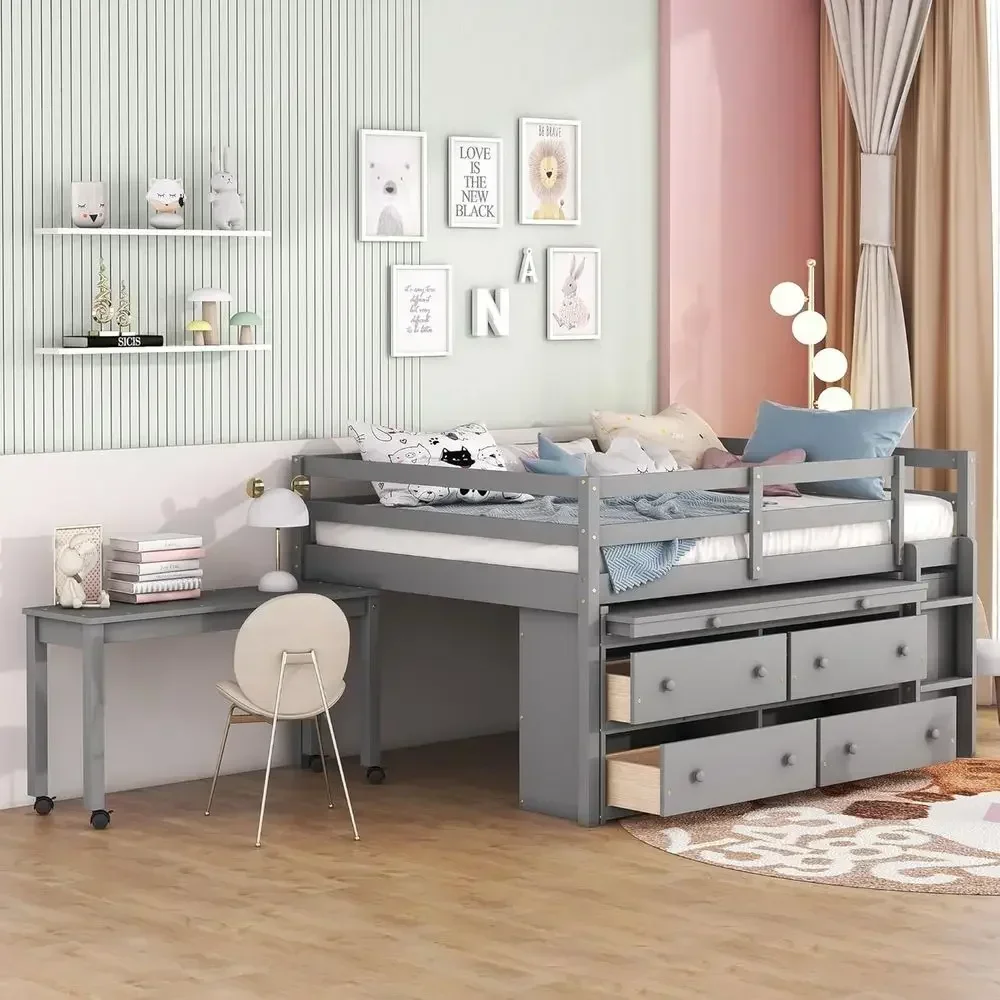


Material Selection and Tools
Opt for plywood for the base, typically ¾ inch thick, providing ample strength. You will require basic tools: a circular saw for cutting, a level for accuracy, and a tape measure for precise dimensions.
| Material | Dimensions | Quantity |
|---|---|---|
| 2×4 Wooden Planks | 8 feet | 4 |
| Plywood | 4×8 feet | 1 |
| Wood Screws | 3 inches | 20 |
After cutting the plywood to size, lay it on the support beams. Secure it with wood screws at intervals of approximately 12 inches to prevent sagging. Check the level frequently during this process to achieve a flat surface.
Safety Measures
To ensure stability, load the storage area evenly. Never exceed weight limits; distribute heavy items evenly across the platform. Always wear protective gear while working with power tools, including goggles and gloves for safety.
Choose the Right Location for Your Loft Shelf
Identify an area that maximizes vertical space while ensuring easy access. The back corners are often underutilized; make these spots functional without blocking entry or movement.
Consider Ceiling Height
Aim for at least two feet of clearance above items placed on the elevated structure. This allows for comfortable access and reduces the risk of bumping into stored items. Measure before installing any supports to avoid misjudgment.
Avoid Obstructions
Ensure the chosen placement avoids interference with doors, windows, or electrical outlets. Evaluating these factors will enhance safety and functionality. Check for overhead utilities, as they might pose challenges for installation.
Lastly, assess the load-bearing capacity of the area. Make certain the beams or walls can support the weight of your stored belongings. Planning the right location creates both an organized environment and efficient use of storage solutions.
Select Suitable Materials for Construction
Choosing the right materials is paramount for strength and durability. I recommend selecting high-quality plywood or oriented strand board (OSB) for the surface. These materials provide a solid foundation for storage while being lightweight.
Framework Selection
For the structural frame, I prefer using 2×4 or 2×6 lumber. These sizes offer excellent support and can handle significant weight. Ensuring the wood is treated will extend its lifespan, especially in a humid environment.
Fasteners and Hardware
In terms of fasteners, I opt for galvanized screws and brackets. This prevents rusting over time, ensuring everything stays secure. Heavy-duty brackets are ideal for connecting the framework, providing additional stability.
- OSB or plywood for surface
- 2×4 or 2×6 treated lumber for framework
- Galvanized screws for durability
- Heavy-duty brackets for stability
Always check the load capacities of your chosen materials. It’s wise to consult guidelines regarding maximum weight limits to ensure safety and functionality. By selecting appropriate materials, I’ve enhanced my workspace’s organization and usability.
Measure and Design Your Loft Shelf Dimensions
To accurately plan the dimensions of the elevated storage area, I measured the available space from the ground to the ceiling. This provided a clear indication of the maximum height that I could use without compromising headroom. A distance of at least 30 inches between the top of the shelf and the roof is necessary for accessibility and ventilation.
Determine Width and Depth
I decided on a width that matched the length of the walls. A depth of 16 to 24 inches is typically sufficient to hold boxes and bins without excessive overhang. I marked these dimensions on the walls to visualize the impact on the overall space, ensuring there wouldn’t be any obstructions for movement beneath.
Account for Weight Support
It’s critical to factor in the weight capacity of the components. I calculated anticipated load by considering the weight of stored items, generally allocating at least 40 pounds per square foot. For enhanced stability, I incorporated support beams at strategic points, aligning them with the wall studs and ensuring they are securely fastened. This attention to detail will enhance durability and prevent sagging over time.
Gather Necessary Tools for Construction
I recommend preparing a specific set of tools to ensure a smooth process. Here’s a concise checklist of what I find indispensable:
- Measuring Tape: Accurate measurements are crucial. A retractable measuring tape is ideal.
- Level: This tool guarantees that your supports and platform will be even.
- Power Drill: Essential for creating holes and driving screws quickly. A cordless drill offers mobility.
- Saw: A circular saw is perfect for cutting wood to the required lengths. A hand saw can also work for smaller jobs.
- Clamps: These hold pieces in place during assembly, preventing shifts or movement.
- Screwdriver Set: A mix of Phillips and flathead screwdrivers for assembling parts.
- Safety Gear: Goggles and gloves protect against debris and sharp edges.
Having these tools ready will streamline the entire process, making each step manageable and efficient.
Install Support Beams Securely
To ensure stability, I attach the support beams with heavy-duty lag screws. I drill pilot holes to prevent wood from splitting, and I buy screws that are at least three inches long for maximum grip.
Placement and Spacing
I start by determining the beam locations based on the weight distribution I expect. Ideally, I place beams no more than three to four feet apart to maintain strength. Using a level, I ensure the beams are horizontal for an even surface.
Reinforcement Techniques
I often enhance the structure’s integrity by adding diagonal bracing between the beams. This cross-bracing prevents side-to-side movement. Additionally, I use metal brackets or corner braces at the junctions to secure the connections further, ensuring everything stays firmly in place.
Construct the Loft Shelf Frame
Begin with assembling vertical supports that will carry the entire structure. I opted for 2×4 lumber for sturdiness. Position these at equal intervals along the designated wall, ensuring they are level and plumb. Secure each support to the wall studs using heavy-duty screws or anchors as needed.
Next, connect these verticals with horizontal beams to form a rectangular shape at the top. Position them approximately 6 feet above the floor for optimal storage. Reinforce the corners with diagonal braces to prevent sway, which I found crucial for maintaining stability.
After the frame is established, check for square by measuring the diagonals; adjustments should be made before finalizing. I used a power drill to drive screws through the horizontal beams into the vertical supports, ensuring a robust connection.
For added support, consider installing additional cross beams midway through the span. This significantly enhances the weight capacity. I measured and pre-drilled holes for ease, which helped avoid splitting the wood.
Once completed, inspect all joints and connections thoroughly to confirm everything is secure. Regular checks will help maintain the integrity of the frame as it holds weight over time.
Attach the Shelf Boards Properly
Ensure the support beams are level before attaching any boards. I recommend using a spirit level for accuracy. Begin with the first board by placing it on the support beams and checking alignment.
- Use wood screws of appropriate size, ideally 2.5–3 inches long, to secure the boards firmly.
- Predrill holes to prevent splitting, especially with hardwood materials.
- Position screws at least 1 inch from the edges to maintain structural integrity.
- Space the screws evenly, about every 16 inches, maximizing the load-bearing capacity of the surface.
For added strength, consider using brackets at each corner. This provides extra support and stability, reducing the risk of sagging over time. Secure the brackets with heavy-duty screws to ensure they can handle the anticipated weight.
Check for any movements or flex when all boards are in place. If any shifting occurs, reassess your attachment points and add more screws or brackets as needed. Test the finished unit by applying gradual weight before full use. This process guarantees safety and longevity.
Ensure Stability and Safety of the Structure
Use quality hardware to secure all components. Heavy-duty screws or bolts are preferable over nails. This enhances the strength of the connections and reduces the risk of collapse. Regularly check for any signs of loosening or wear.
Provide Adequate Support
Incorporate diagonal bracing to prevent swaying. Position these braces between vertical supports and horizontal beams to enhance the overall rigidity. Ensure that each brace is securely fastened to distribute weight evenly, reducing the likelihood of structural failure.
Weight Distribution
Calculate the potential load to avoid overloading. Distribute items evenly across the platform. Keep heavier objects towards the center and lighter items at the edges. This strategy minimizes stress on the framework, promoting longevity and safety.
Organize and Optimize Storage on Your Loft Shelf
Utilize clear bins and label them for easy identification of contents. This will streamline access and help maintain organization over time. Select a consistent bin size to create a uniform look, enhancing both functionality and aesthetics.
Implement Vertical Storage Solutions
Consider adding wall-mounted racks or hooks to the sides of your elevated platform. This allows for additional storage while keeping frequently used items accessible. Utilize these areas for hanging tools or overflow storage.
Zone Your Storage Areas
Designate specific areas for different categories. For example, group gardening supplies, seasonal items, or hobby materials in separate sections. This method eliminates clutter and helps locate needed items quickly.
| Zone | Recommended Items |
|---|---|
| Gardening | Seeds, Tools, Pots |
| Seasonal | Decorations, Clothing |
| Hobby | Craft Supplies, Sports Gear |
Lastly, perform regular audits of your storage space. This helps in identifying items that are no longer needed, making room for new ones. Keeping the space tidy promotes efficiency and a pleasant environment. Regularly reassess your organizational methods to adapt to changing needs.


