
 Caleb Turner

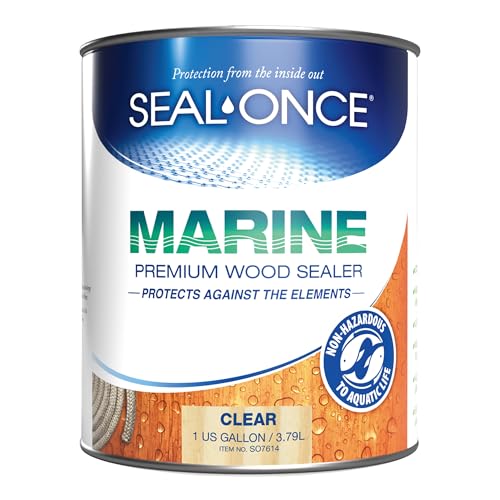
Applying a high-quality sealant is the first step to safeguarding your exterior seating from moisture and UV damage. Choose an oil-based product for enhanced penetration and long-lasting results. It’s best to apply this sealant every six months for optimal protection.
Selecting the right finish matters too. For a natural look, a clear water-repellent finish works well, while a painted option can add a decorative touch. Before you begin, ensure the surface is clean, dry, and free from dirt or mildew.


Regular maintenance is key; inspect your seating periodically for any signs of wear or damage. Addressing minor issues promptly can prevent costly repairs down the line. Consider storing your pieces indoors during harsh weather or utilizing covers made from breathable, water-resistant materials for added security.
How to Protect Outdoor Wooden Items from Elements
I recommend applying a high-quality sealant to create a robust barrier against moisture and sun damage. Choose a penetrating oil or water-repellent product specifically designed for exterior applications.
Before applying any product, ensure the surface is clean and dry. Sand away any rough patches or old finishes to promote adhesion. Wipe down with a damp cloth to remove dust.
Once the surface is prepared, apply the sealant evenly using a brush or cloth. Follow the manufacturer’s instructions for the ideal number of coats, usually at least two for optimal protection.
For ongoing maintenance, inspect regularly for signs of wear. Reapply the sealant as needed, usually every one to two years, depending on exposure and wear.
Consider placing items in covered areas or using protective covers during harsh weather conditions to prolong their lifespan and maintain their appearance.
Selecting the Right Type of Wood for Outdoor Use
Certain species exhibit remarkable durability and resistance to environmental factors, making them preferable choices. I recommend exploring teak, known for its natural oils that repel moisture and insects and its ability to withstand decay. Another excellent option is cedar; it possesses a natural resistance to rot and warping due to its cellular structure.
Other Options
Redwood is also a solid candidate, often praised for its beauty and longevity, although it may require additional treatments for optimal performance. Tropical hardwoods, such as mahogany and ipe, offer exceptional durability and can endure harsh conditions with minimal maintenance.
Considerations in Selection
When choosing materials, always consider your local climate. In regions with high humidity or heavy rainfall, moisture-resistant varieties become paramount. Additionally, look for sustainably sourced timber to lessen your environmental impact while enhancing the longevity of your pieces.
Preparing the Surface: Cleaning and Sanding Techniques
Thoroughly cleaning the surface is critical. I prefer using a mixture of warm water and mild soap with a soft brush or cloth. This removes dirt, grime, and mold without damaging the grain. After washing, it’s crucial to let the material dry completely before moving on.
Sanding follows cleaning. I choose fine-grit sandpaper (120 to 220 grit) for this step. Gently sand the entire surface to ensure a uniform texture and remove any remaining imperfections. For hard-to-reach areas, I utilize a sanding sponge. Always sand in the direction of the grain to promote a smooth finish.
To keep the environment tidy, I recommend using a vacuum and a damp cloth to clean off dust after sanding. This prep work is vital for the longevity of the protective treatment that will follow.
| Tool | Purpose |
|---|---|
| Soft brush or cloth | Cleaning dirt and grime |
| Fine-grit sandpaper | Smoothing surface imperfections |
| Sanding sponge | Reaching tight spaces |
| Vacuum and damp cloth | Removing dust post-sanding |
Following these techniques ensures a solid foundation for coatings, enhancing protection and appearance. Skipping these steps may lead to surface damage, compromising durability.
Choosing the Best Weatherproof Finish: Oils vs. Sealants
For superior protection against the elements, I recommend evaluating both oils and sealants. Each option has unique properties that suit different needs.
Oils
- Penetration: Oils penetrate deeply into the grain, enhancing the natural look of the timber while providing moisture resistance.
- Maintenance: Requires more frequent reapplication, typically every few months, to maintain effectiveness.
- Types: Common choices include teak oil, tung oil, and linseed oil, each offering varying levels of UV protection and durability.
Sealants
- Barrier Forming: Sealants create a protective layer on the surface, preventing moisture from penetrating.
- Durability: Longer-lasting than oils, often requiring applications every one to three years.
- Types: Select from polyurethane, epoxy, or acrylic sealants, based on desired finish and environmental exposure.
Select the finish that aligns with your aesthetic preferences and the specific conditions your exterior installations will face. For a natural look with regular maintenance, oils are ideal. If longevity is the goal with less frequent upkeep, sealants provide excellent protection.
Application Methods for Weatherproofing Products
Choosing the right application technique for protective coatings can significantly impact their performance. Here are the most effective methods I recommend:
- Brush Application: A high-quality brush allows for precise control and thorough coverage in crevices. I prefer natural bristle brushes for oil-based finishes and synthetic for water-based options.
- Roller Application: Rollers speed up the process for flat surfaces. It’s ideal for broad areas and ensures an even coat. For best results, use a high-density foam roller.
- Spray Application: Using a spray can or a sprayer covers intricate details effortlessly and minimizes drips. Ensure to apply in ventilated areas and wear protective gear, as overspray can be messy.
- Wipe-On Technique: For oils, I often favor the wipe-on method, which creates a thin layer that penetrates well into the grain. After applying, use a clean cloth to remove excess product.
Consistency is key. I recommend applying multiple thin coats rather than a single thick layer, allowing adequate drying time between coats to enhance adhesion and durability.
Additionally, I ensure to check ambient temperature and humidity levels before applying any product, as these factors can affect the drying process and overall finish quality.
Maintaining Your Outdoor Furniture: Regular Checks and Repairs
I conduct thorough inspections at least twice a year. I look for signs of damage, such as cracks, splinters, or loose joints. Timely identification allows for prompt repairs, preventing further deterioration.
Repairing Damage
For minor cracks, I apply a wood filler that matches the grain. Once dried, I sand the area smooth and apply the appropriate finish. Loose joints require woodworking glue; I clamp the pieces together until the glue sets for a strong bond.
Cleaning and Upkeep
Regular cleaning is crucial. I use a soft brush and a mild soap solution to remove dirt and mildew. After cleaning, I allow the items to dry completely before applying any protective coatings. This helps avoid trapping moisture that can lead to issues later on.
I also keep an eye on the protective layer. If I notice the finish starting to wear, I gently sand the surface and reapply the appropriate sealant or oil. Keeping a regular maintenance schedule ensures the longevity of my outdoor pieces.
Storing Furniture During Off-Season for Longevity
I recommend choosing a sheltered location for storing your items during the off-season. A garage or shed works well, providing protection from moisture and temperature fluctuations. If indoor storage isn’t an option, consider investing in high-quality covers designed for your pieces, ensuring they fit snugly to prevent wind damage.
Preparation Before Storing
Thoroughly clean each piece before storage. Use a gentle soap solution and a soft cloth to remove dirt and grime. This helps prevent mold and mildew from forming. Ensure surfaces are completely dry to avoid moisture buildup in a confined space.
Optimal Conditions for Storage
Maintain a dry environment with good ventilation. If possible, store items off the ground using pallets or a wooden platform. This prevents dampness from seeping into materials and extending the lifespan of your pieces. Keep items away from direct contact with walls to allow airflow on all sides.
Regularly inspect stored items for signs of damage, and address issues promptly to avoid costly repairs. Treating any vulnerabilities at the time of storage ensures you’ll be ready for the next season without surprises.
Using Covers and Protection Strategies for Extreme Weather
Investing in high-quality covers significantly mitigates damage from harsh rain, snow, or sun exposure. Look for breathable materials that prevent moisture buildup, which can lead to mold and mildew. Ensure the size fits snugly, covering all areas without leaving gaps for wind to enter.
Utilizing Tarps and Custom Covers
For extreme conditions, heavy-duty tarps offer an additional layer of protection. These can be anchored securely to prevent flapping or tearing during storms. Custom covers tailor-fit to specific items provide a snug, protective barrier against the elements, offering an effective alternative to generic options.
Strategic Placement and Anchoring
Consider positioning your items in protected areas, such as under an overhang or near a wall. If exposure is unavoidable, using stakes or weights to secure covers can prevent them from blowing away. Regularly assess the setup to make adjustmenents based on changing forecast conditions.
Signs of Weather Damage and When to Take Action
I look for several indicators of deterioration in my exterior pieces. One of the first signs is discoloration, especially fading or darkening of the surface. This often indicates that exposure to sunlight and moisture is affecting the material. When I notice significant changes in color, it’s time to consider protective measures.
Another clear signal is the presence of cracks or splits in the structure. These can create weak spots that compromise stability. If I see any of these flaws, I address them immediately to prevent further damage.
Recognizing Mildew and Rot
Mildew often appears as dark spots or a fuzzy texture on the surface. If this occurs, I make sure to clean the affected areas thoroughly. Prolonged exposure can lead to rot, which weakens the integrity of the pieces. If I detect any soft or spongy spots, I know to take action right away to prevent the spread.
Regular Inspections
I schedule seasonal checks to assess the condition of my items. I examine joints, legs, and surfaces for any signs of distress. Prompt action at the first sign of damage can save a lot of time and money in repairs down the line. Keeping an eye out for these symptoms ensures longevity in my exterior pieces.
FAQ:
What steps should I take to prepare my outdoor wood furniture for winter?
To prepare your outdoor wood furniture for winter, you should first clean it thoroughly. Use a mild soap and water solution to remove dirt and debris, then let it dry completely. Once clean, inspect the furniture for any damages, like cracks or loose joints, and make necessary repairs. After repairs, apply a high-quality wood sealer or a protective finish designed for outdoor use. Make sure the finish is suited for the type of wood your furniture is made from. Finally, consider covering the furniture or moving it to a sheltered area to protect it from harsh winter weather.
How often should I apply a protective finish to my outdoor wood furniture?
The frequency of applying a protective finish to your outdoor wood furniture depends on the type of finish used and the local climate conditions. Generally, you should check the furniture at least once a year. If it shows signs of wear, such as fading or water absorption, it’s time to reapply the finish. In regions with extreme weather conditions, more frequent applications may be necessary, possibly every season, to ensure that the wood remains protected against moisture and UV damage.
Can I use regular paint on outdoor wood furniture?
While you can use regular paint on outdoor wood furniture, it’s not always advisable. Regular paint may not withstand the outdoor elements as effectively as paints specifically formulated for outdoor use. These outdoor paints have additives to resist mildew, fading, and moisture damage. If you do choose to use regular paint, ensure to apply a suitable primer first and consider adding a protective sealant after the paint dries to enhance durability.
What materials work best for weatherproofing outdoor wood furniture?
When weatherproofing outdoor wood furniture, look for materials like marine varnish, polyurethane, or specific outdoor wood sealers. These products are designed to create a protective barrier against moisture and UV rays. Oil-based finishes can penetrate the wood deeply, providing better protection, while water-based finishes tend to dry faster and are easier to clean up. Always check the manufacturer’s instructions to ensure compatibility with the type of wood you are using.
Is it necessary to bring outdoor wood furniture indoors during storms?
While it is not always necessary to bring outdoor wood furniture indoors during storms, it is often a good idea if the storm is severe or prolonged. High winds, heavy rain, and hail can cause significant damage to wood furniture. If moving the furniture isn’t feasible, consider securing it with weights, or using storm covers designed for outdoor furniture, which can help mitigate damage from harsh weather conditions.


