
 Caleb Turner

Applying a high-quality sealant is the first step to ensuring long-lasting durability for your outdoor timber items. Choose a product specifically designed for external surfaces, which offers resistance against moisture and UV rays. A marine-grade sealant often provides the best results, creating a barrier against the elements.
Before sealing, thoroughly clean the surface to remove any dirt, mildew, or old finishes. Sanding the timber lightly will enhance adhesion and create a smoother result. After applying the sealant, allow sufficient drying time as indicated on the product label to ensure optimal protection.
Regular maintenance, such as reapplying the sealant every one to three years, will further enhance the longevity of your items. Additionally, consider storing them in a sheltered area during harsh weather conditions to mitigate exposure and potential damage. With these strategies, your outdoor timber will remain attractive and functional for many seasons.


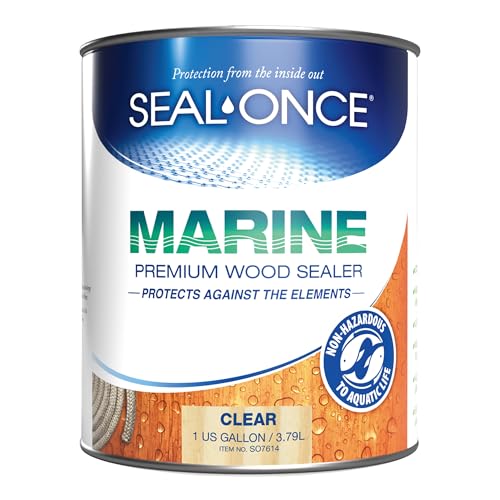
Waterproofing Techniques for Outdoor Wooden Items
I recommend using a combination of sealants and protective coatings to ensure longevity against moisture and UV damage. Begin with a high-quality wood stain specifically designed for external use. Applying this product enhances the natural beauty while offering a foundational layer of protection.
After staining, a weather-resistant sealant adds an extra shield. Choose from oil-based or water-based options based on your preferences and the desired finish. Apply at least two coats, ensuring ample drying time between each application to prevent trapping moisture.
Utilize a brush or sprayer for even coverage, paying close attention to joints and crevices, as these areas are more prone to water infiltration. If necessary, lightly sand the surface after the first coat to promote adhesion for the subsequent layer.
Inspect regularly for signs of wear, and reapply the protective layers at least annually. This proactive approach significantly extends the life of your outdoor items. Additionally, consider storing them in a sheltered location during extreme weather events to further prevent damage.
Choosing the Right Type of Timber for Exterior Items
Select high-density species like teak or mahogany for durability and resistance to elements. These options outperform others in longevity and require less maintenance than softer varieties.
Eucalyptus also offers a cost-effective alternative with decent weather resistance when treated properly. Its natural oils prevent rotting, making it a reliable choice.
Consider treated pine if affordability is a priority. It can endure outdoor conditions after proper sealing and treatment but may require more frequent maintenance.
Assessing Environmental Conditions
Evaluate the specific climate conditions where the pieces will be placed. Extreme heat, humidity, or exposure to saltwater can influence your selection. Hardwoods typically handle such variations better than softer ones.
Finishing Techniques
Opt for finishes that enhance the natural grain and protect against moisture. Oiling can maintain the appearance and integrity of the surface. Regular application extends the lifespan and aesthetic appeal of the chosen material.
Understanding Different Waterproofing Products Available
I recommend exploring several options tailored for exterior use when protecting wooden pieces. Start with sealers that create a moisture-resistant layer, effectively blocking water penetration. Look for products with UV inhibitors to prevent sun damage, ensuring longevity.
Oil-Based Solutions
Oil-based treatments penetrate deeply, enhancing the grain and offering robust protection. They are effective against moisture and mildew but require reapplication more frequently. Select a blend with fungicides for added defense against mold.
Water-Based Alternatives
Water-based coatings typically dry faster and have lower levels of volatile organic compounds (VOCs). This makes them a greener choice. They are easy to clean up and can be applied as topcoats over existing oil finishes, providing an additional layer of defense.
When choosing a product, review application guidelines for optimal performance. Compatibility with the type of timber is crucial, so check manufacturer specifications. Regular maintenance and reapplication will maximize protection and preserve the beauty of your belongings.
Preparing Wooden Items for Weather Resistance Treatment
Ensure a clean surface by removing dirt, dust, and any existing finishes with a medium-grit sanding block. Focus on areas where moisture may accumulate, such as joints and corners. After sanding, wipe the surfaces with a damp cloth to eliminate any particles. Allow the wood to dry completely before proceeding.
Selecting the Right Location
Choose a well-ventilated area for application. Avoid direct sunlight, as it can cause the treatment to dry too quickly, leading to uneven application. A shaded outdoor space with good air circulation works best.
Assessing Structural Integrity
Examine each piece for any damage or rot. Repair any visible cracks or breaks using an appropriate wood filler. For larger issues, consider replacing the damaged sections to ensure longevity. This step is vital to maintain functionality and aesthetics.
Consider using a pre-treatment solution to enhance absorption of the protective chemicals. Follow the manufacturer’s instructions for application methods and drying times.
Once the preparation is complete, you’re ready to apply the selected weather-resistant product for optimal protection of your wooden items.
Step-by-Step Guide to Applying Waterproofing Sealant
Thoroughly clean the surface with a damp cloth to remove any dust or debris. Allow it to dry completely before proceeding.
Select Your Sealant
Choose a sealant designed for outdoor applications. Look for products containing UV inhibitors and mildew resistance for optimal protection.
Gather Your Tools
| Tool | Purpose |
|---|---|
| Brush or Roller | Application of the sealant |
| Sandpaper | Smoothing the surface |
| Drop Cloth | Protect surrounding areas from drips |
| Gloves | Hand protection from chemicals |
Ensure all tools are clean and ready. If the surface is rough, lightly sand it to create a smoother finish.
Apply the sealant evenly using a brush or roller, ensuring full coverage without pooling. Follow the manufacturer’s instructions regarding application thickness and drying times.
Allow the first coat to dry fully, then inspect for any missed spots or areas needing touch-ups. Apply a second coat if necessary for enhanced protection.
Once the final coat is dry, remove any painter’s tape used for masking. Maintain the area free of moisture for at least 24 hours to allow complete curing of the sealant.
Best Practices for Maintaining Waterproofed Furniture
Regular cleaning is crucial. I use a soft cloth and mild soap solution to wipe surfaces, avoiding harsh chemicals that can damage the protective coating. Rinsing with clean water prevents soap residue buildup.
Inspect and Touch Up
Every few months, I check for wear or damage in the protection layer. If I find any, I immediately apply a new coat of sealant to maintain the barrier. This proactive approach saves time and money in the long run.
Store Properly During Off-Seasons
When not in use, I keep items covered or indoors to shield them from harsh weather conditions. It minimizes exposure and prolongs the lifespan of the protective treatment. A storage space with consistent temperature and low humidity is ideal.
Identifying Signs of Wear on Waterproofed Surfaces
Regular inspection is key to preserving the finish on your outdoor pieces. Look for peeling or flaking that indicates a compromised layer. This often appears as patches where the protective coating no longer adheres properly.
Check for color fading, especially in areas exposed to intense sunlight. Discoloration can suggest that the protective barrier is weakening, making it susceptible to moisture and potential degradation.
Assess the surface texture. A rough, uneven feel can indicate wear. Perform a water test by dropping a few beads of water on the surface–if they absorb rather than bead up, it’s time for retreatment.
Inspect joints and corners where moisture can collect. These areas are often the first to show signs of damage. Look for signs of mold or mildew, which can be indicative of inadequate sealing.
| Signs of Wear | What to Look For | Recommended Action |
|---|---|---|
| Peeling or Flaking | Loose patches or areas without finish. | Strip and reapply protective layer. |
| Color Fading | Uneven color or significant lightening. | Consider a refresh with a UV-resistant seal. |
| Rough Texture | Surface feels abrasive or uneven. | Sand lightly and apply new coating. |
| Water Absorption | Water soaks in rather than beads. | Reapply sealant immediately. |
| Mold or Mildew | Signs of dark spots or growth in joints. | Clean thoroughly and retreat with a mold-resistant formula. |
Monitoring these aspects will help in maintaining the integrity of your assets against the elements. Regular maintenance will extend their lifespan and improve their aesthetic appeal.
Recommendations for Reapplying Waterproofing Treatments
Regularly renewing protective treatments enhances the longevity of outdoor pieces. I recommend checking the integrity of the seal every 6 to 12 months, depending on exposure to elements.
Signs Indicating the Need for Renewal
- Moisture penetration visible through surfaces.
- Fading or discoloration, indicating diminished protection.
- Rough texture that feels less smooth than originally.
- Visible peeling or flaking of existing products.
Application Tips
- Thoroughly clean surfaces to remove dirt and debris prior to application.
- Ensure the area is dry, with no imminent rain forecast during the next 24-48 hours.
- Apply new treatment in thin, even coats, avoiding puddling.
- Follow the manufacturer’s guidelines for drying times between each layer.
By following these recommendations, I can extend the life of my outdoor assets and maintain their aesthetic appeal effectively.
Climate Considerations for Outdoor Furnishings in Australia
Understanding local climatic conditions is paramount in ensuring longevity for your outdoor pieces. Australia experiences diverse weather patterns, ranging from tropical in the north to temperate in the south. Here are key factors to consider:
- UV Radiation: Intense sun exposure can cause fading and cracking. Opt for UV-resistant coatings to mitigate damage and extend the life of your items.
- Rainfall and Humidity: Varying levels of moisture can lead to deterioration and mold. Selecting treatments that offer resistance to moisture is advisable.
- Temperature Fluctuations: Extreme heat and cold can cause wood to expand and contract. Choose high-quality sealers that accommodate these natural changes.
- Bushfires: In regions prone to bushfires, consider using fire-retardant substances and avoid placing items near high-risk areas.
Regular monitoring and maintenance help in identifying potential issues early, tailored to specific local environmental conditions. This proactive approach will keep your outdoor pieces in excellent shape throughout the seasons.
Tips for Storing Outdoor Wooden Items During Harsh Weather
To prolong the life of your outdoor wooden pieces during severe weather, move them to a sheltered area such as a garage, shed, or covered patio. If indoor storage isn’t possible, use tarps or specially designed covers to protect them from rain and snow.
Storage Solutions
- Choose a dry and well-ventilated space to prevent moisture buildup.
- Elevate items off the ground using pallets or blocks to avoid contact with damp surfaces.
- Disassemble larger pieces if possible, making them easier to store and less susceptible to damage.
Protection Measures
- Apply protective coatings before storage to create an additional barrier against moisture.
- Use breathable covers to prevent mold and mildew growth while keeping the items dry.
- Regularly inspect stored items to catch any signs of wear or damage early.
Applying these practical steps will ensure that your outdoor pieces remain in optimal condition, ready for use when the weather improves.


