
 Caleb Turner

The initial step is to prepare the surface thoroughly. Ensure that the object is clean, dry, and free from dust and residue. Depending on the previous finish, sanding might be necessary. Use fine-grit sandpaper to create a smooth texture, which enhances adhesion.
Next, select an appropriate type of protective coating that meets your requirements–whether for aesthetic appeal or durability. A clear solution will maintain the wood’s natural look, while tinted options can enhance or alter the hue.
Before the application, conduct a patch test on a small, inconspicuous area to confirm the desired result. I recommend applying with a high-quality brush or lint-free cloth, following the grain of the wood for an even finish. Allow ample drying time between coats, ensuring no interruptions that could mar the finish.
Once the final layer is applied, avoid heavy use for at least a couple of days to ensure the finish cures properly. Regular maintenance with a soft cloth will help keep the surface looking pristine. Following these steps will maximize the longevity and aesthetic of your wooden item.
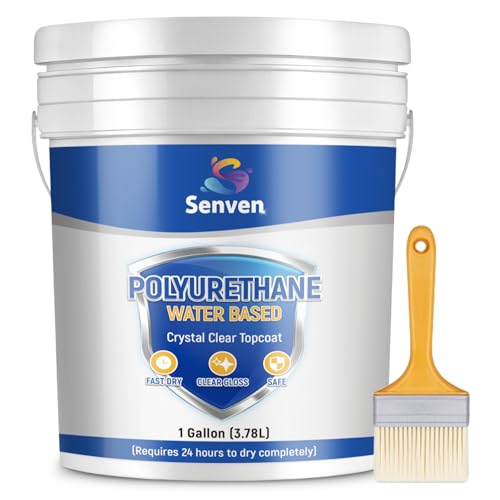


Selecting the Right Coating for Your Type of Furniture
Choosing the appropriate protective finish is critical for achieving the desired appearance and durability. Begin by identifying the material your item is made from, as different surfaces require specific treatments for optimal results.
Types of Surfaces and Recommended Coatings
| Material | Recommended Finish |
|---|---|
| Wood (softwood) | Water-based polyurethane |
| Wood (hardwood) | Oil-based finish |
| Particleboard | Shellac |
| Metal | Clear lacquer |
| Plastic | Epoxy resin |
For softwood, a water-based option is ideal. It dries quickly and offers an excellent clear finish without yellowing over time. Conversely, hardwood benefits from an oil-based approach, which enriches the grain and provides robust protection against wear.
When working with particleboard, shellac provides a cost-effective finish while maintaining a smooth surface. Metal pieces require a clear lacquer to prevent rust and offer shine. For plastic surfaces, epoxy resin bonds effectively, giving a durable and resilient outer layer.
Environmental Considerations
Select coatings with low volatile organic compounds (VOCs) for indoor settings. These options reduce harmful fumes and are better for indoor air quality. Always verify product specifications before making a selection.
Test any finish on a small, inconspicuous area first to ensure compatibility and avoid unexpected results. This approach saves time and materials by preventing the need for complete refinishing.
Preparing the Surface Before Application
Thoroughly clean the item. Use a damp cloth to remove dust, dirt, and grease. Ensure all residues are eliminated for a smooth finish.
Next, inspect for imperfections. Fill any holes or scratches with wood filler. Allow it to dry completely, then sand it down until smooth.
Sand the entire surface with fine-grit sandpaper (220 grit is ideal). This step enhances adhesion by creating a rough texture. Always sand in the direction of the grain.
After sanding, wipe the surface with a tack cloth or a lint-free rag. This will eliminate any dust particles generated during the sanding process.
For items with a previous coating, strip the old finish if necessary. Use a chemical stripper or sanding method that best suits the existing surface.
Check the humidity and temperature of the environment. A controlled setting will allow the finish to cure properly.
Finally, ensure the workspace is well-ventilated. Proper airflow will facilitate drying and help in achieving a perfect coat.
Applying Varnish: Techniques and Tools Needed
For an even finish, I always choose high-quality synthetic brushes or foam applicators. A 2-3 inch brush works well for larger surfaces, while a smaller one is ideal for intricate details. Make sure the bristles are firm but soft enough to avoid leaving streaks.
Application Techniques
I begin with a thin coat, applying a consistent layer from one edge to the other. This prevents drips and pooling. I follow the grain of the wood for a smoother appearance. For a more uniform finish, I overlap each stroke slightly. For corners or crevices, I use a smaller brush to ensure coverage.
After the first coat dries, I lightly sand with fine-grit sandpaper (220-grit) to remove any imperfections. I remove dust with a clean, dry cloth before applying a subsequent coat. Two to three layers typically yield optimal results, enhancing durability and sheen.
Necessary Tools
In addition to brushes, I keep the following on hand:
- Paint thinner or mineral spirits for cleaning brushes
- A clean, lint-free cloth for dusting surfaces
- A drop cloth or newspaper to protect the workspace
- A sanding block for even pressure when smoothing between coats
With these techniques and tools, I achieve a professional-grade finish on my projects.
Understanding Drying Times and Environmental Factors
The drying time of your chosen finish can significantly vary depending on the conditions in which it is applied. Temperature, humidity, and airflow all play crucial roles in the curing process.
- Temperature: Ideal application temperatures are typically between 60°F to 80°F (15°C to 27°C). At lower temperatures, the drying process slows considerably; excessive heat can cause the finish to dry too quickly, leading to an uneven surface.
- Humidity: High moisture levels in the air can extend drying times, while low humidity can accelerate the process. For optimal results, aim for humidity levels between 40% and 70%.
- Airflow: Adequate ventilation promotes faster curing. A fan can be beneficial but avoid direct drafts that might disturb the surface.
Monitor drying times closely after application. Generally, varnishes require several hours to dry to the touch and potentially up to 24 hours before applying an additional coat. Always conduct a touch test–gently press your finger against the surface. If it feels tacky or leaves a fingerprint, additional drying is necessary.
Consider the specific product instructions, as formulations differ. Some finishes offer fast-drying options, while others need longer curing times.
Finally, be aware of the environmental impact on your workspace. Avoid applying finishes in areas with fluctuating temperatures or drafts, as this can compromise the integrity of the final result. Consistency is key.
Achieving a Smooth Finish
To ensure a flawless surface, I always begin with a high-grit sandpaper, typically around 220 to 320 grit, after the initial coat dries. Sanding between layers smooths out imperfections and prepares the surface for subsequent applications. It’s crucial to sand lightly; aggressive sanding can erode the finish and create uneven areas.
Choosing the Right Tools
I opt for a foam brush or a high-quality bristle brush for application. Foam brushes tend to leave fewer streaks and bubbles, while bristle brushes can provide a more traditional finish. A high-density roller can also work well for larger surfaces. Whichever tool I choose, I ensure to apply in thin, even coats.
Working in the Right Conditions
Temperature and humidity play a significant role in achieving a smooth look. I aim for a room temperature of around 70°F (21°C) and a humidity level below 50%. Proper ventilation helps the finish dry evenly, reducing the chances of imperfections forming during the drying process. Patience is critical; I always let each coat dry completely before starting the next one.
Tips for Maintaining Varnished Surfaces
I always keep a soft, lint-free cloth on hand for regular dusting. This method prevents dirt buildup and maintains the original sheen of the coating. Microfiber cloths are particularly effective, as they capture particles without scratching.
For deeper cleaning, I mix a mild soap solution with warm water. I lightly dampen the cloth and wipe the surface, ensuring not to saturate it. This step helps remove any grease or fingerprints without damaging the finish.
Regularly checking for scratches or scuffs is crucial. If small imperfections appear, I use a touch-up marker that matches the finish. This quick fix can keep my pieces looking fresh without the need for a complete recoat.
I avoid placing hot items directly on the surface. To protect against heat damage, I use coasters or trivets. This practice prevents discoloration and warping.
Humidity and temperature fluctuations can affect the integrity of the protective layer. I strive to maintain a stable environment, using a dehumidifier if necessary, especially in damp areas.
Periodic polishing can enhance the look of treated pieces. I choose a high-quality furniture polish containing natural oils. A light application followed by a soft buffing restores shine without leaving an oily residue.
Additionally, I steer clear of abrasive cleaners or scrubbing pads, as they can scratch the surface and compromise the finish over time. Instead, I opt for gentle, pH-neutral products designed for treated woods.
In some cases, reapplying the protective coating may be necessary. I assess wear patterns and apply a new layer when it feels less glossy or starts to wear thin, ensuring the longevity of the piece.
Common Mistakes to Avoid When Working with Finish Products
Applying too thick a coat can lead to unsightly runs or bubbles on the surface. Thin layers allow for even coverage and proper drying.
Skipping surface preparation results in poor adhesion. Always sand and clean the item before application to ensure optimal results.
Neglecting Test Areas
Testing on a small, inconspicuous area is critical. Products may react differently to various materials, affecting color and texture.
Ignoring Environmental Conditions
Temperature and humidity influence drying time and finish integrity. Aim for a stable environment, avoiding extremes for the best outcome.
FAQ:
What types of varnish are best for furniture?
When choosing varnish for furniture, options typically include oil-based and water-based varnishes. Oil-based varnishes offer a durable finish and rich color depth but take longer to dry and emit stronger odors. Water-based varnishes dry faster, have fewer fumes, and are easier to clean up, making them ideal for indoor projects. Polyurethane is a popular choice for its toughness and resistance to scratches and heat, making it suitable for high-use furniture. The choice ultimately depends on the specific needs of your project and the type of finish you desire.
How do I prepare furniture for varnishing?
Preparation is key for a successful varnishing project. Start by cleaning the furniture to remove any dirt, grease, or old finishes. Sand the surface using fine-grit sandpaper to create a smooth texture and help the varnish adhere better. After sanding, wipe down the furniture with a damp cloth to remove dust and debris. If the furniture has a previous finish that is peeling or rough, you may need to strip it completely using a chemical stripper or sand it down thoroughly. Once the surface is clean and smooth, let it dry completely before applying the varnish.
How many coats of varnish should I apply?
The number of varnish coats needed can vary based on the type of varnish used and the desired finish. Generally, 2 to 3 thin coats are recommended for optimal protection and a smooth appearance. It’s important to allow each coat to dry thoroughly before applying the next one, as this helps achieve a stronger, more durable finish. Always follow the manufacturer’s instructions for drying times and application guidelines to ensure the best results.
Can I use varnish over painted furniture?
Yes, varnish can be applied over painted furniture to enhance durability and provide a protective layer. However, it’s important to ensure that the paint is completely dry and cured before applying varnish. Lightly sand the painted surface to create a better bond for the varnish, and wipe away any dust. A water-based varnish is generally more compatible with latex paints. Always conduct a test on a small, inconspicuous area first to ensure compatibility and the desired effect.
What tools do I need to apply varnish efficiently?
To apply varnish effectively, you will need a few basic tools. A high-quality brush or foam applicator can help achieve a smooth finish. For larger surfaces, a paint roller may be a good choice. Always keep a paint tray handy for easy access to the varnish. Sandpaper or a sanding block is essential for surface preparation, while a clean cloth will be needed for dust removal. In addition, having a drop cloth or newspaper on hand will protect the surrounding area from drips or spills. Make sure to also have gloves and a mask for safety during the application process.
What type of varnish is best for furniture?
Choosing the right type of varnish for furniture largely depends on the intended use and desired finish. Polyurethane varnish is popular for its durability and water resistance, making it suitable for pieces that will see heavy use, such as dining tables and kitchen cabinets. For a natural look, water-based varnish is a great option as it dries clear and enhances the wood’s grain. On the other hand, oil-based varnish provides a rich hue and a more robust finish but takes longer to dry and releases stronger fumes. It’s important to consider the environment in which the furniture will be placed and the aesthetic you want to achieve before making a choice.


