
 Caleb Turner

Before lifting any heavy item, assess the weight and dimensions of the object you plan to move. Ensure you have enough space to maneuver safely without risking injury or damage to your surroundings. A well-chosen lifting tool can significantly simplify this process.
Place the device under the item at a stable point. Most models come with a flat base that ensures optimum support. As you apply pressure, gradually raise the item while keeping your back straight and knees bent. This reduces strain and allows for more control.
Once elevated, secure the load with clamps or blocks to prevent any slipping. Additionally, leverage wheels on the jack for seamless transportation across different surfaces. Always ensure your path is clear to avoid any obstructions during movement.
After relocating, gently lower the item to its new position. Take your time to ensure proper alignment and placement. Regular practice with this lifting tool can enhance confidence and safety during future moves.
Selecting the Right furniture Mover for Your Needs
Choosing the appropriate lifting tool is crucial for a successful moving experience. Consider the following points:
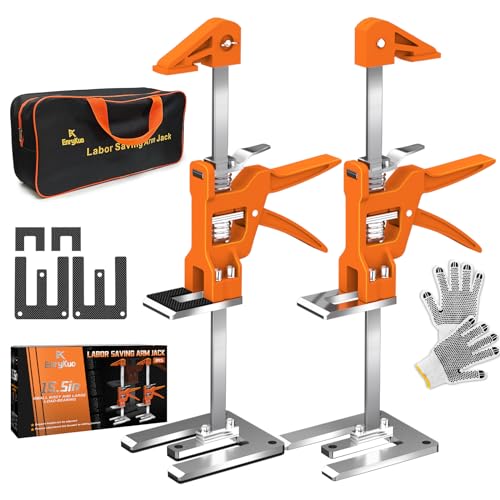

- Weight Capacity: Assess the maximum weight you plan to lift. Select a model designed to handle that weight with a margin of safety.
- Type of Item: Large, bulky objects require different mechanisms than smaller or more delicate pieces. Determine the types of items you will be relocating to select an appropriate style.
- Handle Design: Look for a sturdy, ergonomic handle that provides a comfortable grip, reducing strain during lifting.
- Material: Check the construction material. A metal or reinforced plastic option will likely offer better durability than a flimsy version.
- Size and Portability: Choose a compact tool that is easy to transport, particularly if you have limited storage space.
- Brand Reputation: Research customer reviews and expert recommendations to find reliable manufacturers known for quality and performance.
With these considerations, I have effectively improved my selection process, ensuring that I have the right equipment tailored to my lifting needs.
Preparing Your Space Before Lifting Furniture
Clear the area around the item to create an unobstructed path. Move away smaller objects, rugs, and any decorations that could get damaged or pose a tripping hazard. This step helps ensure safety and efficiency during the lifting process.
Check the dimensions of the item and the surrounding space. Measure doorways, hallways, and corners to determine if the piece will pass through without difficulty. If needed, remove doors or temporarily disassemble parts of the furniture to facilitate movement.
Secure loose cables or cords that might get snagged during the operation. Use cable ties or keep them neatly tucked away to avoid entanglement when you are repositioning larger pieces.
Gather any required tools in advance, such as a flathead screwdriver for disassembly or additional padding like blankets to protect both the object and the surfaces affected. Placing cushioning materials strategically around the area can help in avoiding scratches on floors and walls.
Review the weight distribution of the item. If possible, empty drawers or compartments to lighten the load, making the process less strenuous. This consideration can prevent strain injuries and enhance maneuverability.
| Preparation Step | Description |
|---|---|
| Clear Area | Remove obstacles and hazards from the vicinity. |
| Measure Space | Ensure piece can fit through all passageways. |
| Secure Cables | Prevent any entanglements during movement. |
| Gather Tools | Have necessary tools and cushions ready. |
| Lighten Load | Empty contents to ease lifting burden. |
By taking these practical steps, I can streamline the lifting process and reduce the risk of injury or damage to both the item and my space.
Step-by-step guide to lifting heavy items
I position the device under the item, ensuring it’s centered for balance. Next, I engage the handle carefully, applying steady pressure to avoid sudden movements. As I lift, I remain crouched, leveraging my legs for strength rather than straining my back. Once elevated, I adjust my grip to stabilize the load. If moving over a distance, I maintain my posture and walk slowly, using my core to support the weight. In case of obstacles, I take a moment to re-evaluate the path, shifting the object only when clear. After reaching the destination, I lower the item smoothly by gradually releasing pressure on the handle, ensuring a safe placement. Finally, I double-check that the item is securely positioned, making any necessary adjustments.
Proper techniques for maneuvering furniture after lifting
Always maintain a low center of gravity when moving large pieces. Bend your knees and keep your back straight to enhance stability.
Position yourself firmly, with your feet shoulder-width apart. This base allows for better weight distribution and minimizes the risk of injury.
To pivot, turn your whole body instead of twisting your back. This technique reduces strain and helps control the movement of the item.
Utilize short, deliberate steps while pushing or pulling. This method maintains balance and control. Make sure to guide the item gently rather than forcing it.
If possible, have an extra pair of hands for bigger tasks. Coordinating movements can prevent any sudden shifts in balance.
Use corners and doorways to your advantage by angling the object. This approach can help navigate tight spaces more easily.
Consider using sliders under the item to easily glide it across the floor, especially on smoother surfaces. This minimizes effort and reduces wear on floors.
When shifting direction, communicate with your assistant. Clear signals can enhance coordination and ensure safety.
Take breaks as necessary, especially when handling cumbersome pieces to avoid fatigue. Always prioritize your safety.
Safety precautions to take while using a lifter
Before initiating any lifting task, wearing appropriate safety gear is non-negotiable. I always make sure to equip myself with gloves and sturdy footwear to protect myself from potential injuries.
Maintaining a clear work area is critical. I inspect the space for obstacles such as small items, furniture edges, and uneven flooring. Removing these hazards minimizes the risk of tripping or losing balance.
It’s essential to check the weight capacity of the device. I confirm that the load does not exceed the recommended limits. Overloading can lead to equipment failure, which poses serious risks.
Communication plays a key role when working with others. I ensure that everyone involved is aware of the task and signals. This helps coordinate movements and prevents accidents during the lifting process.
Proper body positioning is vital. I stand with my feet shoulder-width apart and bend my knees while keeping my back straight. This reduces strain on my body and enhances control over the load.
Before attempting to lift, I assess the best angle for maneuvering the item. Being mindful of how I move and where I aim to place the object prevents unnecessary strain and accidents.
During lifting, I maintain a slow and steady motion. Rushing can lead to miscalculations and injuries. If the load feels unsteady, I stop and readjust instead of forcing it.
Lastly, once the item is in position, I carefully lower it. I avoid simply releasing it, as this could cause damage to the floor or the object itself. Taking those additional moments to set it down safely is worth it.
Maintaining and Storing Your Lifting Device
Regular inspection is key. After each use, I check for any damages or wear. Look for cracks, rust, or any loose components. If I find anything unusual, I replace parts immediately to prevent accidents.
Cleaning Techniques
I always clean the equipment after use. A damp cloth removes dirt and debris, while a mild detergent can tackle stubborn stains. I avoid harsh chemicals that might damage materials. It’s important to dry all parts thoroughly to prevent rust.
Storing Properly
When storing, I choose a cool, dry place. I keep it away from direct sunlight and moisture to protect from damage. Placing it in a sturdy container or hanging it on a wall helps avoid clutter. Ensuring that it’s easily accessible for future tasks also saves time.
Common mistakes to avoid when using a furniture lifter
Forgetting to assess the weight and size of the object can lead to injuries or damage. Always check specifications to ensure the chosen device can handle the load.
Neglecting to clear the area around the item may result in accidents. Ensure pathways are free of obstacles before attempting to move furniture.
Incorrect positioning of the support tool
Improper placement can cause instability. Position the device securely under the object’s center of gravity to maintain balance during lifting.
Inadequate grip
Gripping the item incorrectly can result in slippage. Use adequate grippers or padding to secure the item before lifting.
Rushing the process often leads to mistakes. Take your time to familiarize yourself with the device and the item being lifted, ensuring a careful approach during the operation.
Lastly, neglecting safety gear, such as gloves or closed-toe shoes, increases the risk of injury. Always prioritize personal safety while handling heavy objects.


