
 Caleb Turner

I recommend beginning this project with a thorough cleaning. Using a mixture of warm water and mild soap will effectively remove dirt and grime from surfaces. A soft brush or cloth works best for hard-to-reach areas, ensuring no residue is left behind.
Next, assess the condition of your pieces. For metal structures, check for rust or corrosion. A wire brush paired with a rust-inhibiting primer can be invaluable in restoring integrity. For wood elements, sanding any rough spots and applying a weather-resistant sealant can breathe new life into the grain.
Consider revitalizing the aesthetic through paint or stain. Opt for outdoor-rated options that provide longevity against the elements. Whether choosing a bold color or a natural finish, this application can dramatically transform the look. Lastly, invest in new cushions and throws to add comfort and style; outdoor fabric is designed to withstand the environment while enhancing appeal.
Revamping Outdoor Seating and Tables
Choosing a fresh color palette is a straightforward way to enhance your outdoor seating and tables. For best results, use outdoor-grade paint or spray for durability against elements.


Preparation Steps
- Clean thoroughly with soap and water to remove dirt and debris.
- Sand surfaces to ensure paint adheres well.
- Apply a primer if the material requires it, particularly metal or untreated wood.
Color Suggestions
- Bold hues like deep blue or rich green offer a striking contrast against greenery.
- Neutral tones such as grey or beige complement various styles and surroundings.
- Popping pastels can create a cheerful atmosphere in any outdoor space.
To maintain longevity, always seal your painted surfaces with a clear outdoor sealant after drying thoroughly. This protects them from moisture and UV rays.
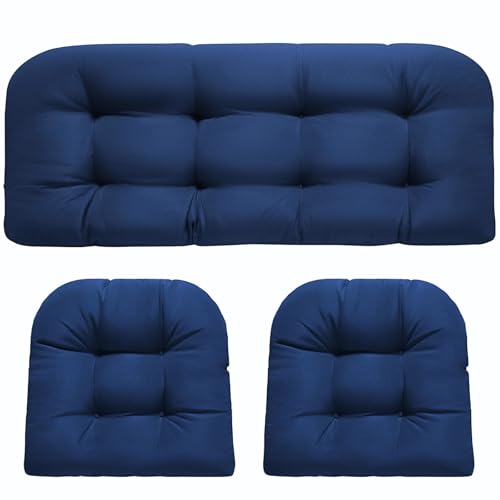
Adding cushions is another impactful adjustment. Opt for fade-resistant fabric to ensure your new cushions withstand sun exposure. Choose patterns or colors that align with your new theme.
Accessorizing
- Add outdoor-friendly throw pillows for comfort.
- Incorporate a stylish outdoor rug to define the seating area.
- String lights or lanterns enhance ambiance during the evenings.
Using these strategies guarantees a refreshed look that breathes new life into your outdoor living area, making it a welcoming retreat.
Assessing the Condition of Your Outdoor Seating
I examine the material first. Metal frames might show rust spots, while wooden pieces can have peeling paint or signs of rot. Wicker or rattan often suffers from fading and breakage. Feeling the surfaces helps me identify any rough spots or weak areas that might need replacing.
Check for Stability and Comfort
I shake each item gently to see if there’s wobbling or loose joints. A sturdy base is crucial for safety. I also sit on the chairs or lounges to assess comfort; cushions may require fresh foam or covers, ensuring a pleasant sitting experience.
Look for Signs of Wear and Tear
I inspect cushions and fabric for stains or tears. If the upholstery is beyond cleaning, reupholstering or replacing with weather-resistant materials might be necessary. It’s also essential to evaluate how well everything has held up to the elements over time, ensuring durability for future use.
Choosing the Right Paint or Finish for Metal Furniture
Opt for a rust-resistant spray paint specifically designed for metal surfaces. These products offer durability and a smooth finish, ideal for outdoor use. Brands such as Rust-Oleum and Krylon have reliable options that provide excellent coverage and protection against the elements.
Preparation is Key
Before applying any paint, thoroughly clean the surface. Use a wire brush or sandpaper to remove rust and flaky paint. Wipe down the area with a damp cloth to eliminate dust and debris. A primer formulated for metal is beneficial, enhancing adhesion and prolonging the lifespan of the new finish.
Color Selection
Consider hues that complement your outdoor aesthetic. Neutral colors like beige or gray offer versatility, while bold shades such as teal or red can add visual interest. Test samples in small areas first to see how they interact with natural light and surrounding elements.
Restoring Wooden Outdoor Seating: Step-by-Step Guide
To breathe new life into wooden outdoor seating, I focus on a few essential steps. I begin by cleaning the surface thoroughly, using a mixture of warm water and mild soap. A soft brush helps remove dirt and debris, while a damp cloth wipes away soap residues.
Repairing Damaged Areas
Next, I examine for any damages like cracks or loose joints. Wooden glue is applied to any cracks, and clamps hold the pieces together while drying. For deeper scratches, I use wood filler, allowing it to cure completely before sanding the surface smooth.
Finishing Touches
Once repairs are complete, I sand the entire piece with fine-grit sandpaper, ensuring a smooth finish. I then choose an appropriate wood stain or sealant that enhances the grain while providing protection against the elements. Applying multiple thin coats allows for better absorption and durability. After the final coat dries, I let it cure for several days before using the seating again.
This careful approach ensures that your wooden outdoor seating looks appealing while standing up against wear and tear for years ahead.
Updating Upholstery on Outdoor Cushions
To refresh the appearance of your outdoor cushions, I recommend replacing the upholstery fabric. Start by selecting a durable, weather-resistant material such as acrylic or polyester that can withstand the elements. A quick visit to the fabric store will reveal an array of patterns and colors to match your style.
Next, I measure the cushions accurately, ensuring to account for the thickness. Make a note of the dimensions, as this will be crucial when buying the fabric. Here’s a simple table to help you with your measurements:
| Measurement | Notes |
|---|---|
| Width | Measure from side to side of the cushion. |
| Depth | Measure from front to back. |
| Thickness | Measure the height of the cushion. |
Once the fabric is selected and measurements taken, remove the old upholstery. Carefully unpick the seams, allowing you to reuse the foam if it’s still in good condition. If the foam shows signs of wear, replace it with new, outdoor-grade foam for comfort and longevity.
Cut the new fabric according to the measurements, adding an extra inch for seam allowances. Lay the fabric face down, position the cushion on top, and begin to staple the fabric around the edges, ensuring it’s taut. I find that using a staple gun makes this step easier and ensures a clean finish.
Finally, trim any excess fabric and reattach any ties or closures that the original cushions had, ensuring a polished look. This simple process can breathe new life into your seating, making your outdoor space inviting and stylish again.
Adding Decorative Elements to Enhance Aesthetics
Incorporating decorative elements can transform a mundane outdoor space into a vibrant retreat. Here are several strategies I’ve found effective:
- Outdoor Rugs: Choose weather-resistant rugs in bold patterns to define areas and add warmth. Look for materials like polypropylene or nylon.
- String Lights: Hang string lights overhead to create an inviting atmosphere during evening gatherings. Opt for LED options for energy efficiency.
- Potted Plants: Select a variety of potted plants with differing heights and textures. Consider seasonal flowers to infuse color throughout the year.
- Accent Pillows: Use outdoor-safe cushions in contrasting colors or patterns to refresh seating areas. Fabrics with UV resistance will maintain their vibrancy longer.
- Decorative Screens: Install bamboo or wood lattice panels as privacy screens. They can double as a backdrop for climbing plants.
- Art Pieces: Hang weatherproof art or sculptures to add personality. Look for pieces crafted from metal or resin designed for outdoor use.
Combining these elements thoughtfully will not only enhance visual appeal but also create a welcoming environment in your outdoor living space.
Protecting Your Furniture with Sealants and Covers
To extend the lifespan of your outdoor constructs, I recommend applying a high-quality sealant suited for the material, whether wood, metal, or plastic. For wooden pieces, a penetrating wood sealer provides essential moisture resistance, preventing warping and decay. For metal items, a spray-on clear coat can shield against rust and corrosion, enhancing durability against the elements.
Before applying any protective layer, ensure surfaces are clean and dry. For wooden constructs, sand down rough spots to aid adhesion. When treating metal, remove any existing rust and apply a primer to ensure the sealant properly bonds. Always follow the manufacturer’s guidelines regarding drying times and application techniques to achieve optimal results.
Using protective covers is equally important. Invest in high-quality, weather-resistant tarps or custom-fitted covers to safeguard your pieces from rain, snow, and UV exposure. Covers should completely envelop the furniture to prevent moisture buildup underneath, which can lead to mold and mildew issues. Additionally, choose breathable materials to allow moisture to escape while providing protection.
Regular maintenance checks on both sealants and covers will help identify wear and tear early, allowing you to reapply or replace as necessary, ensuring your outdoor ensembles remain in top shape for years to come.
Maintaining Your Updated Outdoor Seating for Longevity
Regular cleaning is crucial. I clean my revamped outdoor chairs and tables with mild soap and warm water using a soft cloth or sponge. This method prevents grime buildup while preserving finishes.
Routine Care Tips
For metal constructs, I inspect for rust or scratches routinely. In case of any signs, I apply a rust inhibitor and touch up with spray paint, ensuring protection from moisture. Wooden items benefit from seasonal inspections as well. I check for cracks or peeling and routinely apply a quality wood conditioner to maintain integrity.
Safe Storage Practices
When the weather turns harsh, I store lightweight pieces in a sheltered area or use protective covers. This practice minimizes exposure to elements that can cause wear. I consider investing in covers that are breathable to prevent moisture buildup underneath.
FAQ:
What are the best methods to clean old patio furniture?
Cleaning old patio furniture can significantly enhance its appearance and longevity. For metal furniture, a mixture of warm soapy water and a soft cloth works well. For stubborn stains, a paste of baking soda and water can help. Wooden furniture may require a gentle cleanser specifically designed for wood, followed by thorough rinsing. Plastic furniture can often be cleaned with a solution of vinegar and water. After washing, ensure the furniture is dried properly to prevent rust or mold.
How can I repair scratches or dents on my wooden patio furniture?
If your wooden patio furniture has scratches or dents, you can use a few different methods to repair them. For shallow scratches, a wood filler or a wax-based crayon that matches the wood color can be effective. For deeper cuts, sand down the area gently with fine-grit sandpaper, then apply a matching wood stain or varnish. Additionally, for dents, you can apply a damp cloth over the dent and use a hot iron to create steam, which can help lift the wood back to its original shape.
What type of paint is suitable for updating metal patio furniture?
When selecting paint for metal patio furniture, it’s crucial to choose a product designed specifically for metal surfaces. Look for rust-resistant spray paint or a paint that includes a primer for added durability. Brands often recommend using acrylic or enamel paint for the best finish and protection from the elements. Before painting, ensure that the furniture is clean, sanded lightly, and primed to create a smooth base for the paint.
Are there any tips for reupholstering cushions on patio furniture?
Reupholstering patio furniture cushions can give them a fresh look. Start by removing the old fabric and assessing the condition of the foam inside. If the foam is still in good shape, you can reuse it; if not, replace it with new foam. Choose outdoor fabric that is resistant to water and UV rays for durability. When cutting the fabric, allow extra material for seams. Finally, use a staple gun to secure the new fabric to the cushion frame, ensuring it’s taut and smooth for a professional finish.


