Caleb Turner

Applying a protective sealant is essential to maintain the quality of your woven seating. Aim for a high-quality outdoor polyurethane or acrylic spray that provides a water-resistant barrier. Before application, clean the surface thoroughly using a soft brush and mild soap to remove dirt and dust.
After ensuring the surface is dry, evenly spray the sealant from a distance of about six to twelve inches. A light, even coat will suffice; avoid over-saturating any area. Allow it to dry completely before exposing the piece to moisture. Reapply every six months for the best protection against the elements.
Additionally, consider using cushions with weather-resistant fabrics to enhance comfort and longevity. Store these cushions in a dry place during harsh weather conditions to prolong their lifespan. Regular maintenance will keep your seating looking fresh and inviting for many seasons.
Choosing the Right Rattan Material for Outdoor Conditions
Select synthetic options like polyethylene or polyvinyl chloride for enduring durability against elements. These materials resist moisture, UV light, and temperature changes, making them ideal for long-lasting outdoor setups.


Color and Texture Consideration
Opt for darker shades to hide stain marks and fading. Textured surfaces also enhance grip and aesthetic appeal, adding character while ensuring comfort during relaxation. Consider weaves that mimic natural designs, offering a stylish look paired with practicality.
Thicker Weaves for Increased Strength
Thicker strands provide more robust construction, thus supporting weight better and resisting damage from impact. This characteristic is crucial for high-traffic or frequently used pieces, ensuring stability and longevity in various weather conditions.
Preparing Your Rattan Furniture for Treatment
Clean the surface with a solution of warm water and mild soap, using a soft cloth or sponge to remove dirt and grime. Ensure to rinse thoroughly with clean water to prevent soap residue. Allow the pieces to dry completely in a shaded area. Avoid direct sunlight, as it may cause warping or fading.
Inspect all items for damages including cracks or loose weaves. Address any repairs before proceeding to the next steps. Use a flexible adhesive to fix small cracks or reweave any loosened areas as needed, ensuring that the structural integrity is maintained.
It’s beneficial to apply a protective primer specifically designed for synthetic or natural fibers. This creates a barrier against moisture and UV rays. Ensure it’s compliant with outdoor environmental conditions and follow the manufacturer’s application instructions for best results.
Consider placing your items in a well-ventilated area during the entire process. This helps in achieving optimal results, allowing air circulation for the drying and curing phases.
Cleaning Techniques for Outdoor Rattan Furniture
For maintaining the appearance of your outdoor seating, employ the following methods:
-
Soft Brush Cleaning:
Use a soft-bristled brush to remove dust and debris. Focus on the crevices to ensure thorough cleaning without damaging the surface.
-
Soapy Water Solution:
Create a mixture of mild dish soap and warm water. Dampen a cloth or sponge with the solution, then gently wipe down the surfaces. Rinse with clean water to eliminate soap residue.
-
Vinegar Mixture:
For stubborn stains, combine equal parts white vinegar and water. Apply this mix with a cloth and scrub the stained areas. Rinse well after treatment.
-
Disinfecting Wipes:
For quick maintenance, utilize disinfecting wipes. They can efficiently clean surfaces and eliminate bacteria without rinsing.
-
Soft Cloth Drying:
After cleaning, gently dry surfaces with a soft cloth to prevent water spots and further protect against moisture damage.
-
Regular Maintenance:
A routine of weekly dusting and monthly cleaning helps maintain the look and durability of your seating arrangements.
Implementing these techniques will aid in preserving the charm and longevity of your outdoor setups, ensuring they remain an appealing addition to your space.
Applying Protective Finishes to Rattan Surfaces
Utilizing outdoor varnish specifically designed for woven materials is key. Choose a water-based polyurethane that offers UV protection and is suitable for various weather conditions.
Steps to Apply Protective Finishes
- Ensure surfaces are clean and dry.
- Test a small area with your selected finish to confirm compatibility.
- Use a high-quality brush or sprayer for even application.
- Apply two to three thin coats, allowing adequate drying time between applications.
- Focus on joints and seams where moisture can easily accumulate.
Maintenance of Protective Coating
Regularly inspect the finish every six months. Look for signs of wear or damage and reapply as needed to maintain efficiency. Keeping a protective barrier intact ensures that the underlying material remains safeguarded.
Choosing a finish directed at resisting fading and cracking prolongs the lifecycle of your pieces. Consider seasonal changes and reapply regularly to retain protective qualities and enhance aesthetics.
Regular Maintenance Tips for Outdoor Wicker
Schedule a thorough inspection every few months. Look for any signs of wear, including fraying or discoloration. Catching issues early can prevent more significant damage later.
Cleaning Routine
For regular upkeep, a soft brush or damp cloth works wonders for removing dust and debris. A mixture of mild soap and water will help address tougher stains. Avoid harsh chemicals as they can damage the material. Rinse with clean water and allow to dry completely before using.
Storage Tips
During extreme weather, protect your pieces by storing them indoors. Utilize furniture covers specifically designed for this type of material. Ensure proper ventilation to prevent moisture buildup which can lead to mold.
| Maintenance Task | Frequency |
|---|---|
| Inspection for damage | Every 3 months |
| Basic cleaning | Monthly |
| Deep cleaning | Every 6 months |
| Apply protective coating | Annually |
These simple yet effective practices will ensure longevity and durability, keeping your outdoor settings inviting and appealing. Regular attention makes all the difference.
Storing Rattan Pieces During Harsh Weather
Whenever inclement conditions arise, I prioritize relocating my outdoor seating to a sheltered spot. If possible, placing them in a garage or storage shed extends their lifespan significantly.
Preparation Steps
Before storing, I ensure each item is clean and dry. This prevents mold or mildew development. I dust off surfaces and check for any signs of damage; any necessary repairs should be addressed before they go into storage. I also disassemble larger pieces when feasible, which saves space and protects them from potential warping.
Optimal Storage Conditions
This type of seating should be kept away from direct heat sources or excessive humidity. Using breathable covers ensures protection from dust while allowing air circulation. I avoid plastic tarps as they trap moisture, which can damage the material.
Regular checks during storage are also beneficial; I make it a point to inspect for any signs of wear or moisture, adjusting storage conditions as needed. Properly securing items ensures they remain stable and safe throughout challenging weather patterns.
Identifying and repairing common rattan damage
Examine the weave closely. Frayed strands are an indication of wear. Use scissors to trim excess fibers, being careful not to cut too deeply. If you find loose sections, a hot glue gun can effectively anchor them back into place.
Addressing cracks and breaks
Inspect for cracks. These often require a two-part epoxy for repair. Clean the area first, then apply the epoxy and hold it in position until set. For deeper breaks, you might need to weave in a replacement strand if the damage is extensive. Matching the color and texture may take some time, but it’s worth the effort.
Dealing with discoloration
Sunlight can cause fading. If you notice discoloration, a specialized outdoor fabric dye can restore the original hue. Test it on a small, inconspicuous area before applying it widely. Follow the manufacturer’s guidelines for application, ensuring even coverage.
Adding cushions and accessories suitable for outdoor use
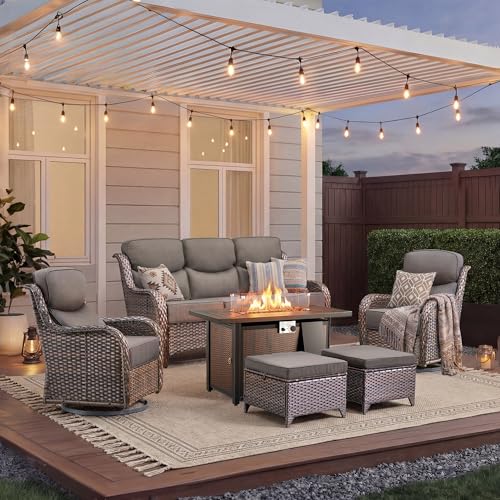
Select weather-resistant cushions crafted from materials like acrylic or polyester that repel moisture and resist fading. Look for sun protection features that enhance durability against UV rays.
Incorporate removable cushion covers to simplify cleaning and maintenance. Choose darker shades or patterns that can effectively camouflage stains and wear.
Enhance comfort with accessories like outdoor throw blankets made from quick-dry fabric or breathable mesh. These not only provide warmth during cooler evenings but also add a stylish touch.
Consider integrating protective covers for cushions when not in use. This prevents prolonged exposure to harsh elements, thereby extending their lifespan.
Utilize decorative pillows to add color and texture. Opt for synthetics that are mildew-resistant, ensuring they remain fresh in the humid climate.
Select lightweight outdoor rugs that complement your color scheme while offering comfort underfoot. Materials like polypropylene are both soft and resilient against moisture.
Implement functional decor like side tables or trays made from aluminum or teak. These materials withstand various climates, offering practicality alongside aesthetic appeal.