Caleb Turner
To achieve a fresh look for your assembled items, I recommend exploring paint techniques that transform the color and texture significantly. Choosing a matte or satin finish can add depth, while bold colors or even pastels can breathe new life into mundane shapes. For instance, a coat of chalk paint provides a rustic feel, allowing you to create a chic, vintage appearance with minimal effort.
Another excellent method involves replacing the original hardware with unique knobs or handles. Opt for materials such as antique brass, ceramic, or even leather to inject personality into your pieces. This small change can dramatically alter the overall aesthetic, making even the most ordinary assembly look bespoke and tailored to your style.
Textiles can also play a crucial role in the transformation process. Consider reupholstering visible surfaces with fabric that complements your decor. Whether you choose bold patterns or subdued tones, fabric can provide an elevated look while adding comfort and warmth to your space.
Lastly, don’t underestimate the impact of lighting. Integrating LED strips or chic lamps near your modified items can enhance their visual appeal, highlighting the new design elements you’ve introduced. These combinations can create a cohesive, stylish environment that reflects your taste.
Transforming Store-Bought Pieces
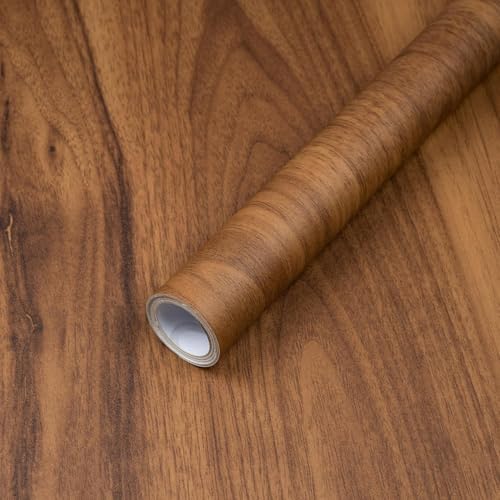
Applying self-adhesive wallpaper can completely alter the aesthetics of basic shelving units. Choose a bold pattern or color that reflects your personal style. Ensure to measure carefully and cut the wallpaper precisely for a seamless finish.


Enhancing with Paint
Give plain wood or laminate items a new lease of life by using high-quality paint. Opt for spray paint for smooth finishes or chalk paint for a matte look. Make sure to sand the surface lightly before applying the first coat.
- Select a color that complements your space.
- Use painter’s tape to keep edges sharp.
- Allow ample drying time between coats for durability.
Adding Custom Hardware
Swapping out standard knobs and handles for unique pulls can make a significant impact. Visit local hardware stores or online shops to discover eclectic designs that match your vision.
- Remove the original hardware with a screwdriver.
- Measure the distance between screw holes for proper fit.
- Secure the new handles tightly.
By implementing these strategies, the simplest items can transform into standout pieces that embody your individuality.
Selecting the Right IKEA Piece for Transformation
Focus on modular items like bookcases or dressers. Their simplicity allows for a variety of modifications, such as painting or adding new hardware, to achieve a unique look.
Assess Your Goals
Determine the purpose of your project. If you need more storage, consider options with varying compartment sizes, like the KALLAX series. For a chic aesthetic, look at dressers and side tables with flat surfaces that can easily accommodate new finishes or decals.
Evaluate Build Quality
Check the durability of the materials. Solid wood or quality particle board is preferable for extensive modifications. Look for items with straight edges, as these will make cutting and fitting additional elements much easier. By selecting a sturdy base, I ensure that the upgrades withstand daily use while maintaining their appeal over time.
Gathering Necessary Tools and Materials
For a successful project, I ensure I have the following supplies at hand:
- Basic Tools:
- Screwdriver set (both Phillips and flathead)
- Hammer
- Pliers
- Measuring tape
- Utility knife
- Fasteners:
- Screws, bolts, or nails specific to the assembly
- Wood glue or adhesive for added stability
- Finishing Supplies:
- Sandpaper (various grits for smoothing edges)
- Paint or wood stain, depending on the desired finish
- Brushes or rollers for application
- Sealant or topcoat for protection
- Safety Gear:
- Safety goggles
- Dust mask
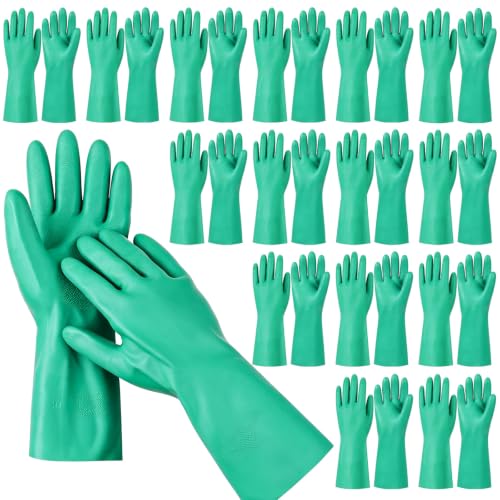
- Gloves to prevent splinters
Before starting any modifications, I double-check that all tools are functioning properly and that I have enough materials for the project. This preparation minimizes delays and keeps the workflow smooth.
Preparing the Surface for Painting
Clean the surfaces thoroughly with a mild soap solution and a soft cloth to remove dirt and grease. This step is crucial for proper adhesion of the paint. Allow the surfaces to dry completely before proceeding.
Lightly sand the surfaces with fine-grit sandpaper (around 220-grit) to create a better grip for the primer or paint. Focus on glossy areas to dull the finish, ensuring the new coating adheres well. Be cautious not to sand too aggressively and damage the underlying material.
Wipe down all sanded areas with a damp cloth to remove any dust particles, then let it air dry. Ensuring a clean surface is vital for a smooth final finish.
If any holes or imperfections are present, use wood filler or spackling paste to fill them. Once dry, sand these areas until they are flush with the rest of the surface. This attention to detail enhances the overall appearance after painting.
Applying a primer specifically designed for the material will significantly improve paint adhesion and durability. Use a foam roller or brush to apply a thin, even layer. Allow the primer to dry as per the manufacturer’s instructions before sanding lightly to smoothen the surface again.
Following these steps ensures a solid foundation for your painting project, leading to professional-looking results that stand the test of time.
Exploring Different Paint Techniques for IKEA Furniture
I recommend experimenting with various painting techniques to add a personal touch to store-bought pieces. One effective method is the use of chalk paint. This type dries quickly and provides a matte finish that resembles a vintage look. It adheres well to surfaces without extensive priming, making it an excellent choice for quick transformations.
Consider the ombre technique for a unique gradient effect. Begin with a base color and gradually blend in lighter or darker shades towards the edges. This approach adds depth and dimension, especially on larger surfaces like dressers.
Stenciling can elevate a plain item into a customized statement. Select a pattern or design that complements your decor and use a sponge or brush to apply contrasting colors. This method requires patience but results in intricate and eye-catching detailing.
For a more contemporary feel, the use of spray paint offers a smooth finish and even coverage. Choose a high-quality, suitable spray for furniture. Layers are key here; light, even coats will prevent drips and achieve a flawless appearance.
Don’t overlook distressing techniques which provide an aged look. After painting, lightly sand edges or areas that would wear over time. For added character, a dark wax can enhance the natural wood grain while also providing protection.
Lastly, consider using a clear topcoat after painting to protect the finish. Options include matte, satin, or glossy, depending on the desired end result. This final step ensures that your newly styled pieces remain beautiful and durable.
Adding Texture with Fabric or Wallpaper
Choosing the right fabric or wallpaper can dramatically enhance the visual appeal of your piece. For upholstery, select durable materials like microfiber or canvas for lasting use. When working with wallpaper, opt for removable types to allow for easy changes in the future.
Types of Materials to Consider
Here’s a table summarizing fabrics and wallpapers suitable for transformation:
| Material Type | Best Use | Pros | Cons |
|---|---|---|---|
| Canvas | Upholstery | Durable, easy to clean | Limited color choices |
| Microfiber | Upholstery | Soft texture, stain-resistant | Can be more expensive |
| Removable Wallpaper | Surface cover | Easy to apply and remove | May not be as long-lasting |
| Vinyl | Surface cover | Waterproof, variety of designs | Can peel over time |
Techniques for Application
For fabric, use heavy-duty adhesive or staple it for a tighter hold. Ensure the surface is clean and dry before applying. For wallpaper, start from one edge, smoothing out air bubbles as you go. A wallpaper brush can help in achieving a flat finish.
Experimenting with layering textures can create depth. Combine different fabric patterns with contrasting wallpapers for a unique look. Don’t shy away from mixing vibrant colors with neutral tones to strike a balance.
Customizing Hardware and Accessories for a Unique Look
Swap out standard knobs and pulls for eclectic or vintage pieces. Look for hardware at flea markets or online marketplaces. Selecting items that incorporate different materials, like glass, ceramic, or metals, adds character and visual interest.
Painting or Finishing Hardware
Don’t settle for factory finishes. Use spray paint or metal coatings designed for durability to alter the appearance of existing hardware. Choose colors that complement or contrast with the surrounding design. For a distressed look, apply a wax finish over painted hardware.
Incorporating Unique Accessories
Consider adding decorative elements such as charm hooks or themed stencils. Use washi tape for quick personalization, or install pegboards for functionality and a pop of color. Incorporating hidden or magnetic connectors can streamline the aesthetic while maintaining practicality.
Incorporating Lighting Features into Designs
Integrating lighting solutions can elevate a simple piece into a statement item. I recommend starting with LED strip lights, which are flexible and easy to install. Place them under shelves, behind cabinets, or along edges to create ambient lighting.
Choosing the Right Lighting
Select lights that complement the style of your creation. Warm white lights offer a cozy feel, while cool white provides a modern look. Consider smart bulbs, which can change color and intensity for different moods.
| Lighting Type | Best For | Style |
|---|---|---|
| LED Strip Lights | Under-shelves, behind panels | Modern, Sleek |
| Puck Lights | Display features, accenting | Contemporary |
| Table Lamps | Workspaces, side tables | Classic, Rustic |
| Sconces | Walls, corridors | Industrial, Vintage |
Installation Tips
For LED strips, ensure surfaces are clean for adhesive to stick. If using puck lights, mark locations prior to installation for even spacing. Battery-operated options can eliminate the hassle of wiring and are perfect for renters.
Integrating lighting effectively enhances functionality and aesthetic appeal. Exploring various types of fixtures and installations can result in personalized and dynamic results.
Using DIY Techniques for Structural Modifications
To enhance the stability and functionality of your piece, I recommend reinforcing joints with wood glue and screws. Start by disassembling the item carefully, then apply wood glue to all contact points before reassembly. This method significantly increases strength.
Adding additional support can be done with corner brackets. Position these at the joints of larger structures like bookshelves or cabinets to prevent wobbling. Pre-drill holes to avoid splitting the wood when attaching the brackets with screws.
If you need to increase storage or usability, modifying the internal layout is effective. For instance, installing additional shelves in cabinets or creating dividers allows tailored space management. Use a saw to carefully cut wood to size and adjustable shelf brackets for versatility.
For enhancing leg or base height, consider using furniture risers. These not only elevate but can also change the aesthetic appeal. Attach them securely, ensuring they can bear the weight without strain.
Creating a multifunctional piece can be achieved by adding removable elements. For example, if the structure has doors, consider switching them for sliding panels, which offer easier access and a modern look. Use a track system for smooth operation.
Finally, always ensure any modifications align with the overall design intent. Keeping functionality and appearance cohesive will result in a polished final product, fulfilling both practical and aesthetic needs.
Maintaining and Caring for Transformed IKEA Furniture
To keep your revamped pieces looking fresh, regularly dust them with a microfiber cloth to remove dirt and prevent scratches on surfaces.
Cleaning Tips
- Use gentle cleaners that are safe for the specific finish you’ve applied. Avoid harsh chemicals that can damage paint or wood.
- For fabric or wallpaper accents, vacuum lightly using an upholstery attachment to remove debris.
- Spot clean any stains immediately with a damp cloth and mild soap, ensuring it doesn’t penetrate the material.
Preventive Measures
- Place coasters under drinks to protect surfaces from moisture rings and heat damage.
- Keep items like books or heavy decor on shelves evenly distributed to avoid warping.
- Use felt pads under furniture legs to prevent scratches on floors.
Adjust hardware and handle settings periodically to maintain smooth functionality and avoid loosening over time.
Avoid exposing your redesigned furniture to direct sunlight for prolonged periods to prevent fading of colors or materials. Consider using sheer curtains or blinds if sunlight exposure is significant.
For pieces with painted or stained finishes, consider applying a protective topcoat every few years to enhance durability and maintain appearance.
Using these practices will ensure your customized items retain their charm and usability over time.