
 Caleb Turner
Using strong ratchet straps or high-quality tie-downs is the first step. I always check for signs of wear on the straps before using them. A durable strap ensures that the cargo remains in place during transport.
Start by placing heavy items closest to the cab. This positioning maintains better weight distribution, enhancing stability. I often recommend using foam or blankets to cushion items and prevent scratches.
Secure each item individually with the straps, ensuring they pass through secure attachment points in the bed of the vehicle. I make certain that the straps are tight, as a snug fit minimizes movement. If necessary, I add extra ties to particularly large or awkward pieces.


Before hitting the road, I always double-check the entire load. A quick inspection can save you from potential mishaps and damage to both the cargo and the vehicle.
Securing Items in a Cargo Area
I recommend using ratchet straps for securing larger pieces. These provide a strong hold and reduce the risk of shifting during transit. Place the item close to the front of the bed for better stability.
Steps for Effective Security
- Position your load to maximize space and balance.
- Utilize at least four points of attachment to anchor the straps.
- Ensure the straps are tightened adequately to eliminate slack.
- Cover sharp edges with padding or blankets to prevent damage.
Additional Tips
Use a tarp or protective cover to shield the items from the weather. If you’re transporting multiple objects, place lighter ones on top of heavier items to prevent crushing. Checking the load during your trip can help you identify any potential issues early.
Choosing the Right Tie-Down Equipment
Using the appropriate securing gear is crucial for safeguarding your items during transport. Start with reliable ratchet straps or cam buckle straps, as they offer superior grip and tension control. Make sure to select straps with sufficient weight capacity to match the load you plan to haul.
Types of Equipment
Ratchet straps are ideal for heavier loads, providing a tight fit with adjustable length. For quicker setups, cam buckle straps allow for easy adjustment without the need for excessive tension. If your cargo features delicate surfaces, consider using soft tie straps to prevent scratching or damage.
Accessories and Enhancements
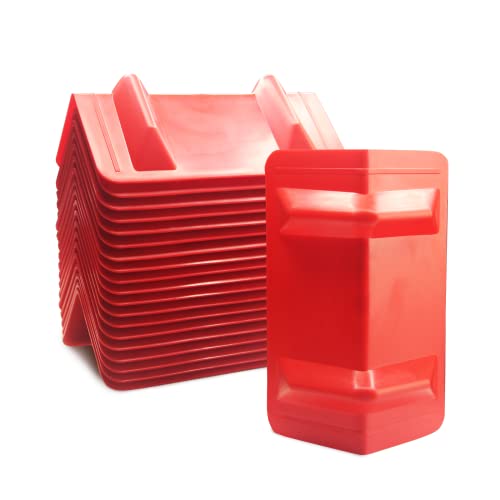
Invest in corner protectors to shield your belongings from wear caused by strap edges. Use hooks or mounting points that fit your cargo structure securely. Additionally, consider a cargo net for smaller items; it helps in preventing shifting during transit.
Regularly inspect all equipment for signs of wear and replace any compromised gear. This vigilance ensures a safe transport experience and protects your valuable items effectively.
Preparing the Items for Transport
Before loading, I ensure all pieces are clean and free of debris to prevent scratches or damage. Padding is key; I wrap each item in moving blankets or bubble wrap. This adds protection and keeps surfaces safe from abrasions during transit.
Disassembly
Items like bed frames or large cabinets are often easier to manage when taken apart. I remove legs, drawers, and other detachable parts. Keeping hardware in labeled bags helps prevent loss during the moving process.
Weight Distribution
I arrange heavier items at the bottom, balancing against lighter pieces to maintain stability. Securing everything snugly minimizes movement on the road. I also avoid leaving gaps where items can shift, ensuring smooth transport.
Securing Large Items Properly
To ensure large objects remain stable during transport, always use multiple anchoring points. Position the heavier pieces towards the front of the cargo area for better weight distribution. Additionally, utilize crossing straps; these work effectively to limit movement by applying tension from opposite corners.
Strap Techniques
Employ the following techniques for optimal safety:
- Horizontal and vertical strapping: Apply straps both horizontally and vertically to create a snug fit.
- Wrap-around method: Encase the item completely with straps to minimize any chance of shifting.
- A-frame securing: For tall items, fashion an A-frame with straps to stabilize and distribute weight.
| Technique | Benefit |
|---|---|
| Crossing straps | Prevents lateral movement |
| Wrap-around | Stabilizes entire surface |
| A-frame | Supports height and prevents tipping |
Additional Tips
In addition to strapping techniques, consider using padded blankets or bubble wrap to protect surfaces from damage. Secure these padding materials with tape or additional straps. Regularly check strap tension during the trip; retightening may be necessary if travel conditions are rough.
Utilizing Anchors and Tie-Down Points
Assess your vehicle’s bed for pre-installed anchor points. These are your primary defense against shifting cargo. Ensure each ring or hook is in good condition and free from rust or damage.
Types of Anchors
- Ring Anchors: Frequently found in many vehicles; perfect for securing straps.
- Stake Pocket Anchors: Utilize these by inserting hooks or bolts for added versatility.
- Side Rails: If available, leverage rails for improved stability by running straps along the length.
Using the Points Effectively
Connect your straps to these anchors with a secure method – loops for rings, and hooks or carabiners for others. Keep straps taut, ensuring a firm hold. Avoid over-tightening, which could damage items.
Distribute weight evenly across the bed to use anchor points effectively. Place heavy items near the front and secure them first, securing lighter pieces afterward. This strategy minimizes any shifting during transport.
After securing everything, give each strap a tug to verify its strength. Consider adding extra straps across larger pieces for additional security. This layered approach provides peace of mind during transit.
Checking for Movement During Transit
I always make a habit of inspecting my load after hitting the road. It’s crucial to pull over at safe intervals to check stability. Shifting can occur rapidly, adding unnecessary stress to both the cargo and vehicle.
Signs of Shifting
The first indicator to watch for is any unusual noise. Rattling or knocking sounds often signal that items are moving. It’s also wise to keep an eye on the vehicle’s handling. If steering feels different, or if there’s unexpected swaying, it’s time to reassess.
Adjustments to Make
If movement is detected, I secure my belongings further. Adding more straps or repositioning items can prevent damage. Sometimes, rearranging the weight distribution helps stabilize the cargo, leading to a smoother transport experience.
Unloading and Rechecking for Safety
After reaching your destination, I always prioritize a careful unloading process. Begin by assessing the surroundings to ensure a clear path for extracting the items. This minimizes the risk of accidents and ensures ease of access.
Inspecting Before Unloading
Before lifting anything out, I take a moment to inspect the items for any signs of damage that may have occurred during transport. Look for scratches, dents, or shifts in position. If you notice something out of place, take a moment to secure it properly before unloading.
Rechecking Securement
Once I start unloading, I frequently pause to verify the condition of the straps and anchors. If they have loosened slightly during transit, I adjust as necessary. This extra check can prevent items from falling or tipping over as I remove them, ensuring a safe and smooth unloading process.


