
 Caleb Turner

If you’re examining a surface and trying to distinguish between synthetic and natural materials, focus on texture and grain. Synthetic options typically feature uniform patterns that lack the unique characteristics found in natural timber. Look closely; real wood displays variations such as knots, swirls, and imperfections that give it character.
Inspect the edges and underside of the item. Authentic timber often reveals a more organic finish, while man-made alternatives may show layers and a consistent color throughout, lacking depth. Tapping gently on the surface can also be telling; natural materials produce a richer sound, while synthetic surfaces tend to sound hollow.
Evaluate the heat resistance of the surface. Real wood can withstand heat better and is less likely to warp under hot items. Place a warm mug on the surface to test; if it leaves a mark, it may indicate a synthetic material that isn’t as durable. Additionally, check for signs of wear. Natural wood develops a patina over time, enhancing its beauty, while synthetic choices may chip or peel, revealing the underlying layer.
Identifying Material by Texture
Examine the surface closely. Genuine timber typically exhibits a grain pattern that is inconsistent and varies from piece to piece. In contrast, synthetic surfaces often present a repetitive texture, lacking the unique characteristics found in authentic wood.
Feel the material with your fingertips. Real wood has a warm, natural feel, often with slight imperfections and variations. Synthetic surfaces, however, tend to be smoother and colder to the touch, often with a more uniform texture.


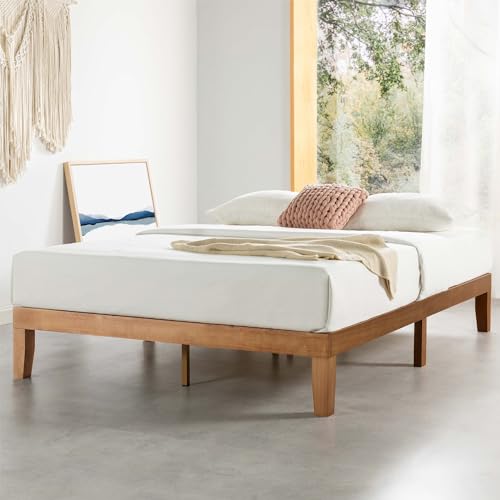
Visual Comparison
Observe the finish. Real timber can be finished with oils or lacquers, resulting in a depth that enhances its grain, while manufactured materials usually possess a glossy sheen that appears artificial. Look for irregularities, such as knots or grooves, indicative of nature in solid wood.
Surface Coating
Use a damp cloth to test the surface. Genuine wood can absorb moisture and may show slight swells or changes if exposed, while synthetic options will repel water without any significant effect. The reaction to moisture helps in discerning authenticity.
| Feature | Natural Material | Synthetic Surface |
|---|---|---|
| Grain Pattern | Unique, variable | Repetitive, uniform |
| Touch | Warm, slight imperfections | Cold, smooth |
| Finish | Natural depth | Glossy, artificial |
| Moisture Reaction | Absorbs, may swell | Repels, unchanged |
Examining the Edges of Furniture
Inspecting the edges can reveal significant differences. Authentic materials usually display rough or irregular edges due to the natural sawing process. In contrast, synthetic surfaces often have smooth, uniform edges created through manufacturing techniques.
Look for a layered appearance at the edges of a piece. Genuine timber may show layers of grain that extend to the side, while man-made options frequently have a solid-colored edge banding that lacks such detail.
Pay attention to whether the edges are rounded or square. Natural designs often exhibit subtle variations, and slight imperfections can indicate authenticity. Manufactured materials usually feature even, sharply defined edges that indicate mass production.
Examine if any visible glue or adhesives appear at the seams, as this might suggest lower-quality composite products. Compared to this, solid wood will often show no glue lines, signifying genuine craftsmanship.
Lastly, running your fingers across the edges can provide clues. The temperature and feel may differ; natural woods typically retain warmth, whereas synthetic varieties might feel cooler or overly smooth.
Assessing the Weight and Density
Checking the weight of a piece is a straightforward yet effective method. Genuine timber is generally heavier due to its natural density. I lift the item; if it feels substantial, it likely contains real wood. Conversely, lighter structures often indicate a synthetic surface.
Next, I examine the density by considering sound. Tapping on the surface can reveal its composition. Wood produces a deeper sound, while artificial materials emit a higher-pitched noise. Testing this way allows me quick insights into the material’s nature.
Lastly, I compare the item against similar pieces. The weight difference can be significant, aiding in identifying materials. For instance, a solid oak chair weighs much more than a particle board imitation. By consistently using these methods, distinguishing real from synthetic becomes an easier task.
Looking for Grain Patterns
Examine the patterns on the surface closely. Real timber features unique grain patterns, which vary significantly even within a single piece. Laminates, however, often showcase repetitive and artificial designs, lacking individuality.
Focus on these specific aspects:
- Variability: Authentic material displays inconsistent grain variations, such as knots, swirls, and grain direction changes.
- Detail: Observe for imperfections. Genuine pieces may have small flaws or irregularities, while synthetic surfaces often look uniform and polished.
- Texture: Run your fingers across the surface. Textured grains will impart a different feel than a smooth, flat laminate.
Combine this analysis with other factors for a comprehensive assessment.
Testing for Temperature Retention
To assess the heat retention capabilities, I place my hand on the surface of the item. Natural timber tends to feel warm or maintains a comfortable temperature, while synthetic surfaces often feel cooler or can become hot rapidly under sunlight. This ability to retain warmth is due to the material’s density and thermal properties.
Next, I utilize a simple heat source, like a warm mug or a hot water bottle. I leave it on the surface for about five minutes. When I lift it, I check for how quickly the surface cools down. If the area feels significantly cooler after this brief period, it likely indicates a manufactured laminate rather than genuine timber.
Additional Considerations
Another method involves using ice cubes. I place an ice cube on the surface and observe the melting speed. On real wood, the cube tends to melt more slowly due to the material’s insulating properties. Conversely, on synthetic surfaces, the ice will often melt at a quicker rate. This difference can be quite revealing and is a practical test to distinguish between the two materials.
Lastly, checking the edges for warmth or coolness can also be insightful. Internal layers in synthetic options may lead to a rapid transition in temperature, unlike solid wood, which often feels consistently warm from all perspectives. These practical tests provide a reliable way to differentiate between the two types of crafted pieces based on their thermal behavior.
Evaluating Surface Finish and Glossiness
To assess the finish and shine of a piece, I examine how light interacts with the surface. Authentic timber typically exhibits a warm glow with varied sheen levels depending on the stain and finish applied. Look for subtle differences; a natural finish might appear more matte, complementing the organic texture of the grain.
In contrast, synthetic materials often display a higher gloss, which can appear overly shiny and uniform. If the surface feels slick or too smooth, it might indicate a plastic-like substance rather than genuine lumber.
I also pay attention to reflection. With true wood, the light tends to scatter, creating a softer reflection, while artificial surfaces can offer sharper, brighter reflections that can seem almost unnatural. Use an angle to view the light; if it looks too perfect or consistent across the surface, that’s a red flag.
Additionally, I touch the surface to determine its texture. Natural surfaces can be slightly uneven, providing tactile feedback and warmth, while man-made finishes often feel excessively uniform. Place your hand on the surface and notice the difference; true timber will feel more inviting.
Lastly, consider the edges of the item. A more refined finish on the edges can indicate a well-crafted piece. If edges show signs of peeling or inconsistencies, it might hint at lower-quality materials. The sheen transition should be seamless; any abrupt changes can signal inferior production methods.
Sensing Sound When Tapped
Gently tap the surface and pay close attention to the sound produced. Solid timber generates a deeper, richer tone, often described as a warm thud. In contrast, synthetic composite materials emit a higher-pitched, hollow sound. This distinction helps in quickly identifying the type of material used.
For accurate results, try tapping with your knuckles or a small object. Move across different areas of the piece. If you consistently hear a resonant note, it’s likely constructed from natural material. If the sound feels flat or lifeless, it indicates a manufactured substance.
Additionally, compare the acoustics of different pieces. Authentic timber typically resonates longer, whereas engineered surfaces tend to have a short, abrupt decay in sound.
Checking for Water Resistance
To determine the water resilience of the surface, I opt for a simple test. I apply a few drops of water onto the surface. If the droplets bead up and remain on the surface, it indicates better moisture resistance, suggesting a synthetic material. On the other hand, if the water quickly seeps in and leaves a dark spot, it’s likely a natural product moisture can penetrate.
Steps to Assess Water Resistance
- Apply a small amount of water to an inconspicuous area.
- Observe the behavior of the water droplets.
- Wait for a few minutes to note any absorption.
If there are visible marks or discoloration after the water test, it signifies a porous material that may be more susceptible to damage. Additionally, I look for any swelling or deformation around the tested area, which could further confirm the vulnerability of the material.
It’s beneficial to remember that while testing for water resistance, the finish or coating can also affect the results. Thus, I consider these elements when evaluating the piece.
Understanding Manufacturer Labels
I recommend closely examining the manufacturer labels on the piece in question. These labels often provide crucial information regarding the materials used in construction. You may find terms like “particle board,” “MDF,” or “solid wood” that can guide your identification process.
It’s essential to take note of any certifications or standards mentioned on the label, such as FSC (Forest Stewardship Council) for environmentally friendly sourcing. This can indicate authenticity and quality.
Labels can also highlight specific finishes or coatings applied, which may give insights into the durability and maintenance of the item. Be wary of vague terms that might not specify material types.
When reviewing labels, I focus on the following points:
| Label Information | What It Indicates |
|---|---|
| Solid Wood | Indicates genuine timber, typically more durable |
| Plywood | Layered wood, offers stability and strength |
| Particle Board/MDF | Composite materials, generally less durable |
| FSC Certified | Environmentally sourced wood |
| Finish Type | Indicates resistance to wear and tear |
Additionally, if the label includes a warranty or guarantee period, it can provide insights into the manufacturer’s confidence in their product’s longevity. Such information can assist immensely in determining quality and durability.
FAQ:
What are the main differences between laminate and wood furniture?
Laminate furniture is typically made from engineered wood or particleboard covered with a layer of laminate, which is a synthetic material. In contrast, wood furniture is constructed from solid wood, giving it a unique grain and texture. Laminate is often more affordable, easier to clean, and more resistant to scratches and stains, while wood offers durability and a classic appeal. Additionally, wood furniture can be refinished, whereas laminate usually cannot be repaired in the same way.
How can I determine if my furniture is made of laminate or wood without any labels?
You can identify laminate versus wood by a few methods. First, check the edges: laminate furniture often has a smooth, even finish, while solid wood may show more uneven grain or knots. Secondly, tap on the surface—laminate will sound hollow compared to the solid, dense sound of wood. Lastly, look for any visible seams or layers; laminate often has these, while real wood will typically appear as a single piece. The temperature can also be a clue: wood feels warmer, while laminate may feel cooler to the touch.
Are there any maintenance differences between laminate and wood furniture?
Yes, the maintenance needs differ significantly. Laminate furniture is generally low-maintenance; it can be wiped clean with a damp cloth and mild soap. Wood furniture, however, requires more care. It should be dusted regularly and may need to be polished or treated with wood conditioner to maintain its appearance and prevent cracking or fading. Additionally, wood is more susceptible to water damage and should be treated with caution during cleaning.
Can laminate mimic the appearance of real wood convincingly?
Yes, modern laminate designs can closely imitate the look of real wood. Manufacturers use advanced printing techniques to replicate wood grain, textures, and colors. While laminate can look very similar to wood, a closer inspection often reveals subtle differences, such as a lack of depth or variation in the grain pattern. However, most people would find it challenging to tell laminate from high-quality wood at first glance.
Is it possible to refinish laminate furniture like you would with wood furniture?
No, laminate furniture cannot be refinished in the same way that wood can. While you can sand and stain wood to restore its appearance, laminate usually has a printed surface layer, which can be damaged during sanding. If laminate furniture becomes scratched or faded, you may need to replace it or use special laminate repair kits that can help hide imperfections, but it won’t achieve the same result as refinishing wood.


