
 Caleb Turner

My first recommendation is to gather the necessary tools: a heat gun, a putty knife, sandpaper with varying grits, and a suitable adhesive remover. Start by gently warming the edges of the covering with the heat gun, which will soften the glue. Be careful not to scorch the wood beneath.
Once the adhesive is pliable, use the putty knife to carefully lift the outer layer from the underlying material. Work slowly to avoid damaging the surface below. If you encounter tough spots, reapply heat or utilize an adhesive remover to assist in loosening the bond.
As you progress, sand any remaining residue off the surface using fine-grit sandpaper. This will prepare the base for refinishing or repainting. Ensure that you maintain an even pressure to avoid creating depressions. Patience during this process will yield the best results.
Removing Decorative Layer from Surfaces
Begin by gathering necessary tools: putty knife, heat gun or iron, damp cloth, and adhesive remover. Before proceeding, ensure the piece is in a well-ventilated area to avoid inhaling fumes.
Apply heat to the surface. A heat gun or iron covered with a cloth can soften the bond, making it easier to lift the covering. Test a small area first to find the ideal temperature.

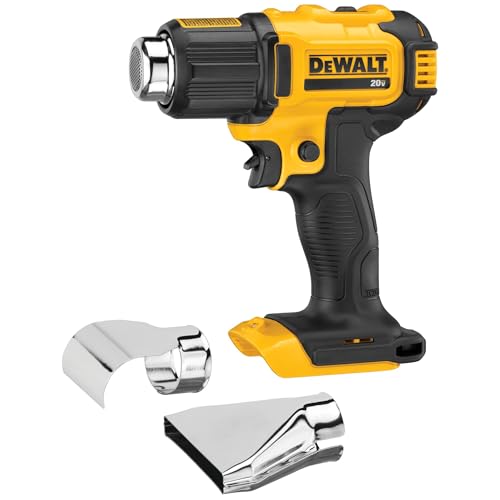

As the material warms, use the putty knife to gently pry it away. Work slowly to prevent damage to the underlying surface. If resistance is encountered, reapply heat and try again. This method minimizes splintering.
After removing the layer, clean any residual adhesive with your chosen remover. Apply it with a cloth, letting it sit for a few minutes as directed, before wiping it away. This step ensures a smooth base for refinishing.
Inspect the original surface for any imperfections. Fill in gouges or scratches with appropriate wood filler to create an even foundation for finishing products.
Finally, sand the entire area using varying grits, starting with coarse and progressing to fine. This prepares the wood for staining or sealing. Wipe it clean with a damp cloth before applying any new finish.
| Step | Action |
|---|---|
| 1 | Gather tools: putty knife, heat source, damp cloth, adhesive remover |
| 2 | Apply heat to soften the bond |
| 3 | Use putty knife to carefully lift the surface |
| 4 | Clean residual adhesive with remover |
| 5 | Inspect and repair any imperfections |
| 6 | Sand the area for a smooth finish |
Choosing the Right Tools for Veneer Removal
For successful extraction of the thin layer from surfaces, I recommend investing in a few key tools. A quality putty knife is essential; select one with a flexible blade for maneuverability. This will allow me to avoid damaging the underlying structure while working.
A heat gun proves beneficial for softening the adhesive, making it easier to lift the veneer. It’s vital to control the temperature to prevent scorching both the veneer and the wood beneath.
Additionally, a scraper with a sharp edge can assist in removing stubborn patches that resist the initial attempts. This tool is particularly useful for scraping off residual glue after removal.
Having goggles and a face mask on hand ensures protection from dust and debris released during the process. Safety is not to be overlooked, especially when dealing with old furniture that may possess toxic materials.
Lastly, consider using a chisel for angled cuts or to assist in lifting stubborn pieces. A set of different sizes enables flexibility based on the details of the project. Choosing these specific tools will streamline the entire process and yield better outcomes.
Preparing the Furniture for Veneer Stripping
Ensure a clean, clear workspace for the task ahead. Remove any decorative items or accessories from the piece to avoid potential damage during the process.
Next, inspect the surface for any imperfections or repairs. Taking note of these areas helps determine how to handle them later.
Gather the necessary supplies:
- Drop cloth or tarp to protect the floor.
- Painter’s tape for masking off areas.
- Heat gun for loosening adhesive.
- Scrapers or putty knives for removal.
- Protective gear, including gloves and goggles.
I always recommend testing the heat gun on a small hidden section first to gauge how it reacts with the finish underneath. This precaution minimizes the risk of damaging the underlying material.
Before proceeding, ensure adequate ventilation. Open windows or use fans to circulate air, especially if working with chemicals during the removal process.
Label any disassembled parts for easier reassembly later if applicable. This step is especially helpful for complex designs with multiple components.
With these preparations complete, I can confidently move forward with the renovation task ahead.
Applying Heat to Loosen the Veneer
Using heat can significantly aid in loosening adhesive bonds that hold the thin layer to the underlying material. I recommend employing a heat gun set to a low temperature. It’s crucial to maintain a distance of about 6 inches to avoid scorching the surface below. Move the gun back and forth, allowing the heat to penetrate the adhesive without damaging the wood.
Alternatively, a steam iron can be effective. I typically place a damp cloth over the area I’m working on and press the iron onto the cloth. The steam softens the glue, making it easier to pry away the layer. This method requires careful attention to ensure the moisture doesn’t saturate the wood, as excess water can cause warping.
After applying heat, use a putty knife or a similar flat tool to gently lift the edge. Start at a corner to avoid damaging the surface. If you encounter resistance, apply more heat and try again. This technique not only helps in reducing the risk of damage but also allows for a more controlled removal process, leading to a cleaner finish.
Using Chemicals for Effective Veneer Removal
I recommend using a high-quality chemical stripper specifically designed for laminate removal. Apply it liberally on the surface according to the manufacturer’s instructions. A product containing methylene chloride is especially potent, as it can dissolve the adhesive bonds.
Before applying chemicals, conduct a patch test on a small, inconspicuous area to ensure there’s no adverse reaction. Once confirmed, use a brush or sponge to evenly coat the area. Allow sufficient dwell time for the stripper to penetrate – this varies by product but typically ranges from 15 to 30 minutes.
After the dwell time, use a plastic scraper to gently lift the loosened top layer. It’s crucial to work with patience, as aggressive scrapping may damage the underlying layers. Wipe the area with a cloth dampened in mineral spirits to remove any residual adhesive.
Always wear gloves and ensure proper ventilation during the process. Fumes can be harmful, so consider using a respirator if the area isn’t well-ventilated.
Dispose of chemical waste according to local regulations. Never pour it down the drain, as it can cause environmental harm.
Manual Removal Techniques for Delicate Surfaces
Utilizing a gentle approach is vital for safeguarding intricate finishes. Follow these techniques for best results:
Hand Tools for Precision
Adopt hand tools like a putty knife or a flexible scraper. Choose tools with a thin edge to slip beneath the layer without damaging the underlying surface:
- Angle the knife slightly to avoid prying too aggressively.
- Work slowly, starting from a corner or edge to find a natural separation point.
- Maintain consistent pressure to steadily lift materials without tearing.
Steam Application
Steam can be instrumental in softening adhesive. Use a fabric steamer or a damp towel over a heated surface to apply moisture:
- Keep the towel in place for several minutes to penetrate the adhesive.
- After steaming, employ the putty knife to gently disconnect layers.
- Reapply steam as necessary until the bond weakens sufficiently.
Consistency and patience are key. Continuously check for resistance and adjust technique as needed. Avoid rushing to preserve the integrity of the surface beneath.
Finishing Touches After Veneer Stripping
After removing the surface layer, my first action is to inspect the underlying wood for any imperfections or damage. I make sure to sand the surface thoroughly, using fine-grit sandpaper to achieve a smooth finish, paying special attention to the edges. This helps eliminate any glue residue that may remain and prepares the wood for subsequent treatment.
Next, I clean the surface with a damp cloth to remove dust and particles generated from sanding. It’s crucial to ensure the surface is entirely clean before applying any products. Once dry, I consider treating the wood with a conditioner, especially if it’s prone to absorb stains unevenly.
Selecting the right stain or finish is vital. I test various stains on hidden areas to find the perfect shade. This step guarantees the result aligns with my vision. After applying the stain, I follow up with a clear protective coat, typically polyurethane, to seal the wood and enhance its longevity. I apply multiple thin layers to avoid drips and ensure even coverage.
Lastly, I allow adequate drying time between coats and handle the piece gently to prevent damage. If the piece is a high-use item, I consider adding furniture wax or a buffing compound for an extra layer of protection and a refined sheen.


