
 Caleb Turner
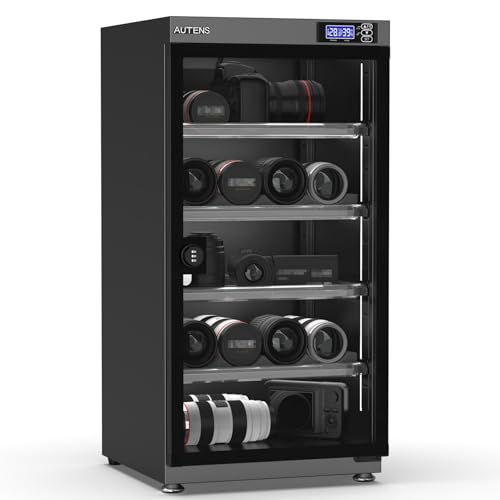
Utilizing a climate-controlled storage unit is my go-to solution for protecting valuable items during relocation. These facilities maintain steady temperatures and humidity levels, preventing damage from moisture and extreme temperatures. When selecting a unit, consider its proximity to both your current and future residences for ease of access.
Before packing, I always conduct a thorough inventory of everything I plan to keep. This helps in determining what to retain or sell, reducing the volume of items requiring protection. Clearly labeling boxes with their contents, as well as the room they belong to, streamlines the unpacking process and minimizes confusion later.
As I prepare to place items into the storage space, I prioritize disassembly for larger pieces. Detaching legs from tables or removing cushions from sofas not only saves space but also minimizes the risk of damage. Wrapping each part in moving blankets or bubble wrap adds an extra layer of safety. stacking boxes and furniture strategically not only maximizes space but also keeps everything secure during the stay.
Lastly, I recommend regularly checking on your stored belongings if feasible. This ensures everything remains in excellent condition and allows for adjustments to be made if necessary. My experience has taught me that staying proactive can save a lot of hassle in the long run.
Guidelines for Safeguarding Items During Transit
Begin by disassembling larger pieces, like beds and tables, to minimize space and prevent damage. Keep all screws and small components in labeled bags to avoid misplacing them. Utilize stretch wrap to cover surfaces, protecting against dirt and scratches.


Environment and Climate Considerations
Select a location that maintains a stable temperature and humidity to avoid warping or mold growth. Avoid damp basements or excessively hot areas like attics. Utilize pallets or shelves to elevate items off the ground, preventing water damage and improving ventilation.
Inventory and Organization
Create a detailed inventory of all items being kept, noting their condition. Communicate with any storage facility to clarify their terms and conditions. Use clear bins or boxes for smaller items, labeling each for easy access later. Store routinely used items toward the front for quicker retrieval.
Choosing the Right Storage Space for Your Furniture
First, I assess the size and layout of the items I need to protect. A unit that accommodates them without forcing me to stack or squeeze is a priority. This minimizes the risk of damage during the time they remain there.
Next, I evaluate climate control. Opting for a space with temperature and humidity regulation is critical, especially for wooden items and fabrics that could warp or mold if exposed to fluctuations.
Security features also play a key role in my decision-making. I look for locations equipped with surveillance cameras and secure access points to ensure my possessions remain safe.
Accessibility is another factor. A facility that allows convenient entry hours aligns with my schedule better, enabling me to retrieve or check on my belongings without complications.
Finally, I take the cost into account. Balancing my budget with the value of the protection offered ensures I don’t stretch my finances needlessly while still securing a reliable option for my belongings.
Preparing Furniture for Long-Term Storage
Thoroughly clean each item to remove dust and debris. Use a mixture of mild soap and water, and dry them completely to prevent mold growth.
Disassemble larger pieces whenever possible. Take apart beds, tables, and shelves to save space and reduce potential damage. Keep screws and small parts in labeled bags.
Wrap delicate surfaces with bubble wrap or moving blankets. For pieces with glass components, ensure they are properly padded to avoid accidents. Use cardboard corners for additional protection.
Apply a wood conditioner to wooden surfaces to maintain moisture balance. This prevents cracking and warping during extended periods in storage.
Choose vacuum-sealed bags for soft items like cushions and linens. This not only saves space but also protects against moisture and pests.
Label each wrapped or boxed item. Include details on the contents and the furniture they belong to, making reassembly easier.
Maintain climate control. If possible, pick a climate-controlled space to safeguard against extreme temperatures and humidity levels.
Avoid placing heavy items on top of lighter ones, as this can cause distortion or damage. Keep items at a safe height to prevent accidents.
Optimal Packing Techniques for Different Types of Furniture
For large items like sofas and mattresses, disassemble components if possible. Wrap each section in moving blankets to prevent scratches. For mattresses, consider using a protective cover to keep them clean.
When dealing with wooden pieces, like tables or dressers, remove any removable parts such as legs or handles. Wrap these separately with bubble wrap and pack them in boxes. Use moving pads to cover surfaces to prevent damage during transit.
- Glass Items: Utilize bubble wrap for glass tops or mirrors, securing them with tape. Store them upright in a box for added stability.
- Office Desks: Disassemble any detachable components and label the parts. Pack screws and small items in a labeled bag and tape it to the desk for easy retrieval.
- Chairs: Stack chairs if they’re lightweight. For heavy or upholstered chairs, wrap with padding and store them upright to avoid deformation.
For small accessories and decor, use sturdy boxes and fill any empty spaces with packing paper to avoid shifting during transport. Label all boxes clearly.
Lastly, prioritize weight distribution in the packaging. Place heavier items at the bottom and lighter ones on top to maintain stability and prevent damage.
How to Protect Items from Damage During Storage
I recommend wrapping each piece in protective materials. Moving blankets or bubble wrap can greatly reduce the risk of scratches and dents. Be sure to secure the wrapping with tape to ensure it stays in place.
Disassemble larger components wherever possible, storing hardware in labeled bags. This simplifies the reassembly process and reduces the chance of breakage. For items like sofas or bed frames, remove legs and other detachable elements.
Consider climate control for sensitive materials. High humidity can warp wood, while extreme temperatures can damage upholstery and finishes. A climate-controlled unit maintains stable conditions, protecting against moisture and temperature fluctuations.
| Material | Recommended Protection |
|---|---|
| Wood | Wrap with furniture blankets and secure with straps. |
| Glass | Use bubble wrap and store upright in a secure position. |
| Upholstery | Cover with breathable fabric to avoid mildew. |
| Metal | Place in a dry area and consider using a rust inhibitor. |
Keep items elevated off the ground using pallets. This minimizes potential water damage from leaks and keeps goods protected from pests. Also, avoid overcrowding the space, ensuring adequate airflow around each piece to prevent mold growth.
Last, conduct regular checks if the period of storage extends. Inspect for signs of moisture, pests, or other hazards. Address issues promptly to maintain the integrity of your belongings.
Storage Solutions for Fragile Items and Antiques
Wrap each fragile piece in acid-free tissue paper to prevent scratches and dust buildup. For extra protection, use bubble wrap, ensuring it’s securely fastened with tape without crushing the item.
Consider investing in sturdy, padded boxes or custom crates for transporting antiques. These containers provide a snug fit, preventing movement during transport. Label them clearly to identify contents and handle with care.
- Use corner protectors or foam strips to shield fragile edges.
- Store glass parts upright and separate from collectors’ items to avoid breakage.
- Keep wooden antiques away from moisture and direct sunlight to prevent warping.
Create a climate-controlled environment for sensitive materials like leather or fabric. A stable temperature and humidity level prevent deterioration and mold growth.
- Utilize silica gel packets to absorb excess moisture inside boxes.
- Check on items periodically to ensure they remain in excellent condition.
Avoid stacking heavier boxes on top of delicate antiques to prevent crushing. Instead, place lighter boxes on top, maintaining an organized layout for easy access and visibility.
For larger antiques, disassemble detachable parts where feasible. Secure screws and small components in labeled bags, attached to the main piece. This minimizes the risk of misplacement or damage.
Each step ensures that your valuable items remain intact and preserve their historical significance throughout the transitional period.
Organizing Your Storage Unit for Easy Access
I recommend creating a detailed layout plan before placing items in the unit. Designate specific areas for different categories, such as chairs, tables, and appliances. This separation prevents chaos and allows for quick identification of what I need.
Label each box and piece with clear, easy-to-read tags. When I pack items, I include a list inside each container, detailing its contents. This practice refines the retrieval process significantly.
Utilize vertical space by stacking boxes and smaller items on shelves. For larger pieces, I position them at the back or sides, ensuring pathways remain clear for easy navigation. This method keeps the environment organized and accessible.
I find it effective to place frequently used items towards the front. In contrast, less essential items can be securely placed further back. This arrangement minimizes disruption when I need to access my belongings.
Regularly revisiting and reassessing the layout helps maintain order. I make adjustments as necessary to adapt to changing needs, ensuring the space meets my requirements efficiently.
Incorporating pallets or shelving units can facilitate airflow and protect items from potential moisture, while also keeping surfaces easier to clean and accessible. Additionally, I avoid overly large or bulky containers that may hinder movement within the space.
Maintaining Furniture Condition During Extended Storage
To keep items in top shape, I ensure each piece is thoroughly cleaned before storage. Dust and dirt can cause damage over time, so I use a gentle cleaner suitable for the material, followed by a soft cloth to avoid scratches.
I apply a protective coating, like furniture polish for wood, to safeguard against moisture and dust. For upholstered pieces, I use fabric protectors that repel spills and stains, adding another layer of defense.
Climate control is a priority; I opt for temperature and humidity-regulated areas. Extreme changes can warp wood or cause mold growth, so I monitor conditions regularly. Where possible, I use silica gel packs to absorb excess moisture.
To prevent scratching or dents, I disassemble larger items if feasible. I store smaller components inside or beside larger segments to conserve space and reduce the risk of damage. I also wrap legs and edges with bubble wrap or blankets for added cushioning.
For sensitive pieces, such as antiques, I wrap each individually and include padding materials like cardboard in between layers. Keeping them elevated on pallets protects them from potential water damage or pests.
I also label boxes clearly, noting the contents and their specific needs regarding care during storage. This enhances organization and access, minimizing the chance of accidental damage during retrieval.


