
 Caleb Turner

To achieve a stunning finish on your outdoor wooden items, begin with a thorough cleaning. Use a mixture of mild soap and water along with a scrub brush to remove dirt and grime. Allow the surface to dry completely before moving on to the next steps.
Select a high-quality finishing product designed specifically for outdoor use. This choice will ensure durability against the elements and enhance the natural beauty of the wood. Apply the finish using a brush or cloth, following the grain for a more uniform look. Aim for even coverage without overloading any areas.
After the initial layer dries, assess the coverage and decide if an additional coat is necessary. A second layer can provide extra protection and an enhanced visual appeal. Make sure to allow ample drying time between applications, adhering to the manufacturer’s instructions for best results.
For long-lasting maintenance, consider periodic reapplications. Doing so will preserve the wood’s integrity and prolong its lifespan. Regular upkeep not only enhances aesthetics but also protects your pieces from moisture and UV damage.

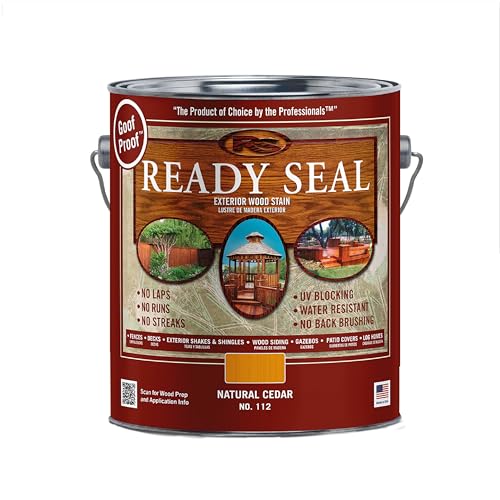
Staining Your Outdoor Seating
Choose a day with mild weather. This ensures even application and proper drying. Clean the surface thoroughly, removing dust, dirt, and any existing finish that may impede absorption. I use a mixture of soap and water, followed by rinsing and drying completely.
Selection of Staining Product
Opt for a high-quality product specifically designed for exterior use. Look for options that offer UV protection and mold resistance. Water-based and oil-based alternatives both have their merits; I prefer oil-based for deeper penetration and durability.
Application Techniques
Use a brush for precision, focusing on the wood grain. Apply evenly, moving along the same direction as the fibers. I usually start from the top to avoid drips on finished sections. It’s wise to let the first coat dry and then assess coverage before adding additional layers as needed.
Choosing the Right Stain for Your Furniture
Select a finish based on the type of timber used for your seating or tables. For softwoods like pine or fir, opt for a penetrating oil that enhances the natural grain and provides protection against moisture. Hardwoods, such as teak or oak, benefit from gel or semi-transparent products, offering rich color while maintaining visibility of the wood pattern.
Color Selection
Consider the overall aesthetic. Lighter shades create a fresh, clean look, while darker tones deliver a classic appeal. Sample a few hues on a small area to see how they interact with sunlight and weathering over time. Keep in mind that colors may appear differently on different types of lumber.
Durability Factors
Look for products formulated with UV protection to prevent fading from sunlight. Water-repellent finishes will shield against rain and moisture. Check the label for drying times and ensure you have a suitable application method, whether brushing, rolling, or spraying, to achieve the desired outcome.
Always test your chosen product on a non-visible surface to confirm satisfaction before applying it broadly. This practice can reveal how the finish adheres and alters the original appearance of the material.
Preparing the Surface for Staining
First, I clean the surface thoroughly using a mixture of warm water and mild detergent. This removes dirt, grease, and any existing old finishes that may interfere with absorption.
Sanding the Surface
Next, I sand the entire area using medium-grit sandpaper (around 120-grit). This step is crucial as it smooths out the surface and opens up the pores of the material. I ensure to follow the natural grain to avoid scratches. After that, I switch to finer sandpaper (220-grit) for a smoother finish.
Cleaning Up Dust
Once sanding is complete, I carefully remove all dust using a vacuum and a tack cloth. This prevents any debris from being trapped under the new coating and ensures a uniform application.
| Step | Details |
|---|---|
| Cleaning | Use warm water and mild detergent to remove contaminants. |
| Sanding | Start with 120-grit sandpaper, then finish with 220-grit for smoothness. |
| Dust Removal | Vacuum and use a tack cloth to eliminate all sanding dust. |
Lastly, I inspect for any rough spots or imperfections and repeat sanding if necessary, ensuring the surface is perfectly prepared for the next steps.
Applying Stain: Techniques and Tips
Use a high-quality brush or foam applicator to achieve a smooth finish. Dip the applicator into the product and shake off excess to prevent drips. Apply the mixture in the direction of the grain, working in small sections to maintain a wet edge. This helps avoid visible lines or overlaps.
For intricate designs, a smaller brush allows for more control and precision. Ensure thorough coverage in grooves and corners. Wipe off any excess with a clean cloth before it dries to prevent blotchiness.
I recommend using a cloth or sponge for larger flat areas, allowing for even application while absorbing the liquid effectively. This method minimizes the risk of pooling.
If you prefer, consider using a sprayer for an even coat on expansive surfaces. However, wear a mask and goggles for safety, as airborne particles can irritate the respiratory system.
After applying the first coat, let it dry according to the manufacturer’s instructions. Lightly sand the surface with fine-grit paper to create a smoother texture before the second application. This step enhances adhesion and finish quality.
Layering is critical; apply multiple coats to deepen the color and improve durability. Always follow drying times between each coat for optimal results. If satisfied with the hue after the first or second layer, you can skip further applications.
Finally, I recommend finishing with a clear protective topcoat. This will extend longevity and preserve the appearance. Always read product labels for compatibility to ensure optimal results throughout the process.
Common Mistakes to Avoid When Staining
Avoid rushing through the preparation steps. Inadequate surface cleaning can lead to adhesion problems, resulting in an uneven finish. Make sure to remove dirt, dust, and old finish thoroughly.
Don’t skip testing the color on a small, inconspicuous area first. The shade may appear different on various types of timber or under different lighting conditions.
Neglecting to consider the weather is another misstep. Extreme temperatures and humidity can significantly affect the drying process, causing issues with the final appearance.
Always use the right applicator. Brushes, rags, or sprayers can create varying results; choose based on the specific product and your technique.
Applying too much product at once can lead to blotches and streaks. A light, even application helps to achieve a smooth finish.
Lastly, don’t forget about proper ventilation. Stains often contain strong chemicals that can be harmful; working in a well-ventilated area protects your health during the process.
Sealing Stained Wood for Longevity
To enhance durability, I always apply a sealant after the dyeing process is complete. Opt for a high-quality clear finish that suits the type of coloration used. Here are steps I follow:
- Ensure the stained surface is completely dry, typically waiting at least 24 hours.
- Choose an appropriate sealant–oil-based or water-based, depending on the initial treatment. Oil-based options tend to penetrate deeper, while water-based drying faster.
- Apply a thin coat using a fine brush or foam applicator, working in the direction of the grain.
- Allow it to dry fully, speeding the process with good ventilation. This can take anywhere from 2 to 8 hours.
- Lightly sand the surface after the first coat dries to ensure proper adhesion of the subsequent coat.
- Apply a second coat for additional protection, particularly in areas exposed to the elements.
Regular maintenance is key; I inspect for wear every season, reapplying the sealant as needed. This proactive approach significantly extends the life of my outdoor pieces while preserving their aesthetic appeal.
Finally, always store items in a sheltered location during harsh weather. Even the best sealant can only do so much against extreme conditions.
Maintaining Your Stained Garden Furniture
Regularly clean surfaces with a mild soap solution and a soft cloth to remove dirt and grime. Avoid abrasive cleaners that can damage the finish.
Every few months, check for signs of wear such as fading or peeling. If the color begins to dull, apply a maintenance coat of your chosen finish to refresh the surface.
Store items in a dry, covered area during harsh weather. If exposure to rain or sun is unavoidable, consider using protective covers to shield against the elements.
Inspect fittings and joints periodically. Tighten screws or bolts as necessary to maintain stability and prevent damage over time.
For deeper scratches, lightly sand the affected area and reapply the finish to restore uniformity in appearance.
In winter, ensure the pieces are clean and dry before storage. This simple step can significantly extend their lifespan and retain their aesthetic appeal.


