Caleb Turner

Begin with a thorough clean of the surface, removing any dust or grime to ensure proper absorption of the color. A solution of water and mild soap works well, followed by a gentle dry with a soft cloth.
Next, apply a pre-stain conditioner. This step is crucial, as it prevents uneven coloring, especially on more delicate spots. Use a brush or a lint-free cloth to evenly distribute the conditioner, allowing it to penetrate for about 15 to 30 minutes before moving forward.
Choose your tint wisely; samples can help finalize your decision. A foam brush or cloth would be ideal for the application. Dip lightly, ensuring you don’t overload the applicator, and work with the grain to ensure a seamless finish. Allow ample drying time between coats to achieve a deeper hue.
Lastly, seal the surface with a clear finish to protect your work and enhance the depth of color. A satin or semi-gloss topcoat will create an appealing visual while providing durability against wear and tear. Apply thin layers, sanding lightly between each for optimal adherence.
Optimal Technique for Enhancing Fine Wood
Preparation makes a significant difference. Ensure that the surface is smooth. Start with 220-grit sandpaper, working in the direction of the grain, to eliminate any imperfections. Vacuum thoroughly to remove dust, followed by wiping the surface with a damp cloth.


For achieving a rich tone, a combination of dye and finish works wonders. Select a water-based or alcohol-based dye specifically formulated for deep penetration. Apply evenly using a foam brush or a clean, lint-free cloth. Allow sufficient drying time according to the manufacturer’s instructions.
After the dye dries, consider sealing the beauty with a quality topcoat. A polyurethane finish, whether satin or gloss, provides durability and enhances the character of the wood. Apply thin layers using a synthetic brush, allowing each coat to dry completely before lightly sanding with 320-grit paper.
| Step | Materials Needed | Tips |
|---|---|---|
| Sanding | 220-grit sandpaper, vacuum, damp cloth | Always sand with the grain. |
| Dye Application | Wood dye, foam brush, lint-free cloth | Test on scrap wood to ensure desired color. |
| Sealing | Polyurethane finish, synthetic brush | Thin layers prevent drips; sand between coats. |
Monitor the final appearance of the surface. If the desired depth and richness aren’t quite there, additional coats of dye can be applied after ensuring previous applications are completely dry. Patience yields stunning results.
Choosing the Right Stain for Mahogany
To achieve a rich color, I recommend using an oil-based product specifically designed for hardwoods. These stains penetrate deeply, highlighting the natural grain. Opt for shades like walnut or cherry for a classic look, or consider a darker espresso for a contemporary finish.
Test samples on a small, inconspicuous area before full application. This helps evaluate how the wood reacts, ensuring the result meets expectations. It’s crucial to allow each coat to dry fully before applying additional layers, as this affects final color uniformity.
Consider using a gel formula if working on intricate surfaces. Gel stains provide better control and prevent drips, giving a more even application on vertical surfaces. For a glossy finish, a topcoat can enhance durability and aesthetic appeal.
Evaluate the existing condition of the wood. If it’s been previously treated, stripping and sanding may be necessary to achieve a consistent color response. Always adhere to safety guidelines and ventilate the workspace adequately when working with chemical products.
Lastly, aligning the choice with my personal style and decor is essential for a cohesive look. Understanding the final ambiance I wish to create will guide the selection, leading to a satisfying outcome.
Preparing Mahogany for Coloring
Thoroughly clean the surface using a mix of mild soap and water, ensuring I remove dirt and oils. After cleaning, I let it dry completely; moisture can interfere with the application process. It’s critical that the wood is free from any previous finishes or contaminants, so I often sand the surface with 220-grit sandpaper. This creates a smooth texture and opens the pores for better absorption of the pigment.
Removing Existing Finish
If there’s a varnish or lacquer layer, I apply a chemical stripper following the manufacturer’s instructions. After scraping off the old finish, I wash the wood again to eliminate any residual chemicals and allow it to dry. A final sand with a finer grit paper (320-grit) ensures an even surface for the upcoming color application.
Testing for Compatibility
Before proceeding with the entire piece, I always test the chosen pigment on an inconspicuous area to check how the wood reacts. This step confirms the intended color and highlights any issues with the grain’s texture, allowing me to adjust my approach if needed.
Applying Stain Evenly for Best Results
To achieve a uniform finish, I use a high-quality applicator, such as a foam brush or lint-free cloth. This choice helps in spreading the color smoothly across the surface.
Before starting, I always ensure the wood is clean and free of dust. I apply the mixture in thin, even coats, moving in the direction of the grain to avoid streaks.
I work in sections, allowing each area to absorb the liquid before proceeding to the next. This approach reduces the risk of inconsistencies and dark spots.
After the initial application, I gently wipe away any excess with a clean cloth. This step prevents pooling and enhances the overall appearance.
To check for even coverage, I keep an eye on the drying process, as the hue can change as it sets. If I spot any unevenness, I lightly sand the area and reapply.
Final adjustments often require careful consideration; I use a touch-up brush for small areas that may need additional attention.
Testing Stain Colors on Mahogany
Choose a small, inconspicuous area or a scrap piece of the desired wood type to test various shades. Apply the stain and let it dry completely to see the true color. Light can change how a stain appears, so observe in different lighting conditions.
Using Sample Boards
Create multiple sample boards using the same wood as your main piece. This allows for side-by-side comparison of how different shades look once applied. Label each board with the color name for easy reference. This method offers a better idea of how the final outcome will appear in your space.
Layering Techniques
Try layering different shades to achieve a custom look. Test with one coat of a lighter hue, followed by a darker shade. This technique helps in understanding how colors interact, potentially resulting in a unique finish that highlights the beauty of the grain.
Sealing and Finishing Stained Mahogany
After applying the pigment, I prioritize sealing to protect the surface and enhance its beauty. A high-quality polyurethane or varnish provides a durable finish. I choose between oil-based or water-based options based on desired drying time and application method.
Steps to finish effectively:
- Choosing the Right Sealant: Select a sealant compatible with the type of pigment used. Oil-based offers warmth, while water-based gives a clearer look.
- Application Technique: Use a clean brush or foam applicator for even application. I apply thin coats to avoid drips and runs.
- Drying Time: Allow sufficient drying time as per product instructions. Typically, 4–6 hours for water-based and up to 24 hours for oil-based.
- Sanding Between Coats: After the first coat dries, lightly sand with fine-grit paper (220 grit). This ensures proper adhesion of subsequent coats.
- Multiple Coats: Apply 2–3 coats for optimal protection. I ensure each coat dries completely before sanding and applying the next.
- Final Touch: Once the last coat is applied, allow at least 48 hours to cure before using the item to ensure maximum durability.
This method yields a polished, enduring finish that highlights the rich hues and grain patterns in the wood, ensuring beauty and longevity.
Maintenance Tips for Stained Mahogany Furniture
Clean the surface regularly with a soft, damp cloth to remove dust and avoid buildup that can harm the finish. Use a mild soap solution if necessary, but ensure you dry the surface thoroughly afterward to prevent water damage.
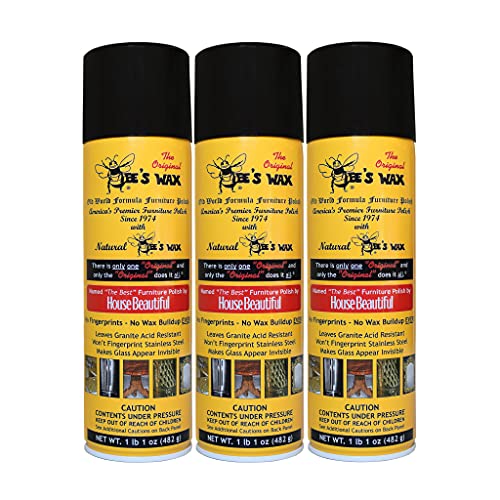
Apply a specialized wood polish or conditioner designed for oiled or varnished surfaces every few months. This helps to restore luster and provides protection against discoloration.
Avoid placing hot or wet items directly on the surface. Always use coasters or placemats, as intense heat and moisture can lead to stains and weaken protective coatings.
Keep the environment stable; extreme temperature and humidity fluctuations can cause wood to expand and contract, leading to cracks or warping. A humidity level between 40-60% is ideal for maintaining integrity.
Inspect for scratches or signs of wear regularly. Minor imperfections can often be treated with a wood touch-up pen or filler, while more extensive damage may require a professional repair.
Maintain a consistent cleaning routine and address spills immediately to prevent stains from settling. This proactive approach will preserve the beauty and durability of your pieces for years.
Lastly, avoid exposing your pieces to direct sunlight for extended periods. This exposure can fade the color over time. Utilize drapes or positioning to shield against harsh sunlight.