Caleb Turner

Begin with a thorough cleaning of your piece. Dust, dirt, and grime can obscure the beauty of the material. A mixture of mild soap and water on a soft cloth will work wonders; ensure you dry thoroughly to prevent damage.
Consider a fresh coat of paint for a dramatic transformation. Choose high-quality chalk paint for a matte finish or prepare to sand down and apply a glossy enamel. This simple update can instantly modernize the entire look.
If painting isn’t your preference, explore staining or refinishing the wood to restore its natural beauty. Start by stripping away the old finish, sanding the surface smooth, and applying a suitable stain that complements your decor.


Hardware can significantly change character as well. Swapping out old knobs and handles with contemporary or vintage-style options adds a tailored touch. Consider materials like brass or ceramic to create a unique statement.
Upholstery can breathe new life into tired seating. Selecting vibrant fabrics or textures can completely redefine a chair or sofa. Don’t hesitate to experiment with patterns that create visual interest in your space.
Lastly, accessorizing with pillows and throws can enhance the overall aesthetic. Layering fabrics with various colors brings warmth and personality, transforming a piece into a focal point of your room.
Revitalize Your Vintage Pieces
Consider applying a fresh coat of paint or stain to your antique items for an updated flair. Choose colors that resonate with your current decor–deep hues for a dramatic feel or light shades for a subtle look. Always prepare the surface by sanding it down to ensure proper adhesion.
Textile Transformations
Change out fabric on chairs or cushions to breathe new life into the seating. Opt for durable yet stylish materials that reflect your personality. If you’re feeling crafty, reupholstering can be a rewarding project!
Functional Upgrades
Replace outdated hardware such as knobs and pulls with modern options. This simple switch can dramatically enhance the visual appeal. Consider incorporating unique or artisan pieces to add character.
| Type of Upgrade | Tips |
|---|---|
| Paint/Stain | Choose complementary colors, and consider using a primer. |
| Textiles | Select fabrics that are easy to clean and maintain. |
| Hardware | Explore antique shops for unique finds that tell a story. |
Assessing Your Furniture’s Condition
I always begin by closely inspecting the structural integrity of the piece. Check for any loose joints or wobbly legs; these issues can often be fixed with wood glue or screws. Make sure to test the stability by applying gentle pressure to see if anything shifts.
Surface Examination
Next, I take a good look at the surface. Scratches, dents, or discoloration can often be addressed with the right products. Wooden items may benefit from sanding and refinishing, while metal surfaces could require polishing to remove rust or tarnish.
Fabric and Upholstery Check
If the item has fabric, I inspect it thoroughly for stains, tears, or wear. If the upholstery appears faded or damaged, I consider reupholstering or using slipcovers to breathe new life into the look. For minor stains, spot cleaning can often do wonders.
Identify Repairs Needed: Make a list of necessary repairs and prioritize them based on cost and effort involved. This step will streamline your process and keep you focused. Remember, investing time in assessment can significantly enhance the transformation journey.
Once a thorough inspection is completed, I feel more equipped to proceed with the revamping process. Knowing exactly what I’m working with saves both time and resources.
Choosing the Right Paint or Stain
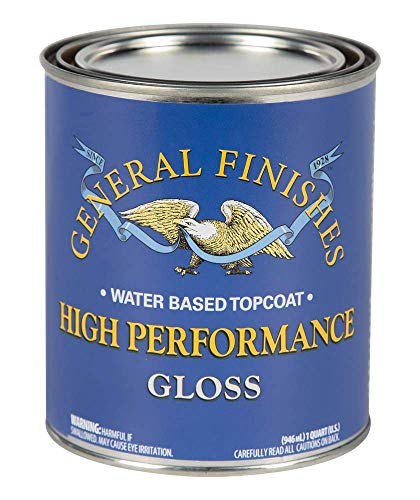
For a successful makeover, I always opt for quality materials. Select a paint or stain that suits your vision; for example, water-based products dry quickly and emit fewer fumes, making them ideal for indoor projects.
Consider the finish. Matte or satin finishes can bring out the texture, while gloss adds a shiny, polished look. Test samples on an inconspicuous area to see how they interact with the existing surface.
Transparency is key if I’m aiming for a natural wood look. Choose a stain that enhances the grain while providing a protective layer. When I want a more opaque, solid color, using chalk paint is a great choice, as it adheres well and often requires little prep.
Take the time to match the palette in your space. The tone of the chosen hue should harmonize with surrounding decor. A color wheel can be helpful in determining complementary shades.
When selecting, ensure it’s suitable for the material. For example, oil-based products work splendidly on wood, while metal has its own set of requirements. Understanding these distinctions ensures durability and longevity.
Finally, prepare surfaces meticulously. Clean and sand to promote adhesion, and consider applying a primer for the best results. This step is critical if I’m transitioning from a dark hue to a light one.
Cleaning Techniques for Different Materials
For wood, I always use a mixture of warm water and a few drops of dish soap. Dampen a soft cloth and gently wipe the surface, taking care to avoid soaking the wood. Follow up with a dry cloth to prevent moisture damage.
- For painted surfaces: Use a mild all-purpose cleaner. Spray it onto a cloth, not directly on the paint, to avoid oversaturation. Wipe gently to avoid scratching.
- For upholstered items: Vacuum regularly to remove dust. For stains, I usually blot (not rub) the area with a damp cloth and a mild fabric cleaner. Always check for colorfastness first.
- For metal finishes: Mix vinegar and water in equal parts for a natural cleaner. Apply the solution with a cloth and buff dry with another clean cloth for shine.
For glass components, I use a solution of equal parts vinegar and water. Spray it on and wipe with a lint-free cloth to avoid streaks.
- Always test any cleaner on a hidden area first.
- Use breathable materials for wiping to prevent residue.
- Allow surfaces to dry completely after cleaning.
This approach ensures that each material is treated appropriately, maintaining its integrity and improving its appearance.
Repairing Scratches and Dents
For shallow scratches on wood surfaces, I often use a walnut. Rubbing the meat of a walnut directly into the scratch can fill the gap with natural oils, blending it with the surrounding area. If the dent is more pronounced, a steam treatment works wonders. I place a damp cloth over the dent, then apply a hot iron for a few seconds. The steam lifts the wood fibers, restoring its original shape. For deeper scratches, a wood filler paste is effective. I choose a color that matches the piece and apply it with a putty knife, ensuring it’s flush with the surface. Once dried, lightly sand it down and apply a matching stain for seamless blending. Always finish with a topcoat to protect the repair.
For painted surfaces, touch-up paint can conceal minor scratches. I use a fine brush to apply a small amount of paint, feathering the edges to create a smooth transition. For deeper dings, I find that a bit of spackle can help fill in the gap before repainting. After the filler dries, I lightly sand the area for an even look, followed by a matching spray or brush-on paint. A clear sealer or topcoat can offer additional protection and a uniform finish.
Metal surfaces require more specific techniques. For minor scratches, I often use a metal polish to buff out small blemishes. Applying it with a soft cloth usually brings back the shine. For deeper scratches, I opt for a synthetic touch-up paint that matches the metal, applying it carefully to ensure it adheres well. Once dry, I polish the area to blend it in with the rest of the metal.
Add New Hardware for a Fresh Look
Replacing handles or knobs gives immediate character to any piece. I often visit local hardware stores or online shops to select unique styles that match the piece’s era and design. For instance, vintage brass knobs on a mid-century cabinet can create an appealing contrast.
Ensure the new hardware is not only stylish but also functional. Consider the size and weight of the drawers or doors when choosing. I usually bring the old hardware with me for comparison or measure the holes for a perfect fit.
Mixing different styles can also yield exciting results; for example, pairing sleek modern handles with rustic wood creates a trendy, eclectic vibe. However, I keep a consistent theme across the piece to maintain harmony.
Before installation, I clean the area around the new hardware to remove any residue from the old ones. This small step makes a noticeable difference during the final assembly and enhances the overall finish.
After fitting the new hardware, I step back and admire the transformation. It’s often surprising how such a simple change can revitalize the entire look of a cabinet or dresser.
Incorporating Upholstery Updates
Consider reimagining seating surfaces with bold fabric choices to create a distinct presence. Opt for materials such as velvet, linen, or durable canvas to enhance texture and visual appeal.
Choosing Suitable Fabrics
- For high-traffic areas, select materials like synthetic blends or treated cotton for durability.
- Natural fibers, such as wool or cotton, offer comfort but may require regular maintenance.
- Patterned upholstery can hide wear and tear while adding character.
Techniques for Reupholstering
- Start by removing the existing fabric carefully–use a staple remover or a flathead screwdriver.
- If the foam padding is worn out, replace it with new cushioning to ensure comfort.
- Cut the new fabric, leaving extra material for tucking and securing.
- Attach the fabric using a staple gun, pulling it taut to prevent wrinkles.
Incorporating decorative elements like piping, buttons, or trims can elevate the final look, providing a polished finish that reflects personal style. Don’t forget to coordinate colors and patterns with the overall decor to unify the appearance.
This thoughtful approach not only refreshes seating but also transforms the piece into a focal point in any space.
Using Decals and Stencils for Customization
Applying decals and stencils offers an effective route to add individuality to furnishings. Ensure the surface is thoroughly cleaned and primed if necessary before starting. This will enhance adhesion and visual quality.
Selecting Decals
Look for vinyl or removable options which facilitate easy application and removal. Here are some tips:
- Choose designs that complement the piece’s style and overall decor.
- Consider size and placement carefully to maintain balance.
- Opt for weather-resistant materials if the item will be exposed to moisture.
Using Stencils
Stenciling allows for unique patterns tailored to personal taste. To achieve the best results, follow these steps:
- Secure the stencil using painter’s tape to prevent movement.
- Use a sponge or small brush to apply paint, ensuring a light touch to avoid bleed-through.
- Experiment with colors beforehand to see how they interact.
Once finished, seal the design with a clear coat to protect it from wear while enhancing the finish. This method not only revitalizes but also showcases creativity in transforming a piece into something distinct and personalized.
Accessorizing with Pillows and Throws
To elevate the visual appeal of your vintage pieces, incorporating pillows and throws can make a substantial difference. Choose textiles that contrast with your existing decor to create an engaging focal point. For example, if a chair features muted colors, opt for vibrant pillows adorned with patterns or textures that pop.
Mixing and Matching Textiles
Experiment with various fabrics such as cotton, velvet, or linen to add depth. Layering different textures invites curiosity and warmth. Don’t hesitate to mix patterns; stripes, florals, and geometric designs can coalesce beautifully. However, ensure a cohesive color palette to avoid overwhelming the space.
| Fabric Type | Recommended Use |
|---|---|
| Cotton | Casual and everyday settings |
| Velvet | Luxurious accents for formal areas |
| Linen | Light and airy feel for summer looks |
Thoughtful Placement
Strategic placement of pillows and throws can transform the function of seating. For instance, adding a plush throw on the back of a couch creates an inviting atmosphere, while accent pillows placed at varying angles provide comfort and style. Assess seating arrangements to ensure accessibility without cluttering the visual space.
Focus on varying pillow sizes–larger pieces can serve as support while smaller ones can enhance the overall design. By thoughtfully accessorizing, these additions can refract light and create a layered, dynamic aesthetic in any room.
Finding Inspiration and Design Ideas
I often find that inspiration can strike unexpectedly, whether I’m browsing online platforms or flipping through magazines. Websites like Pinterest and Instagram provide endless visuals, showcasing creative transformations that ignite new ideas. I recommend creating a mood board to gather images, color palettes, and styles that resonate. This helps in visualizing the desired outcome.
Exploring Local Thrift Stores and Markets
Visiting thrift shops, flea markets, and yard sales can spark creativity. Seeing pieces in their current state allows me to envision potential makeovers. I often jot down ideas for different designs, such as changing colors, adding textures, or incorporating unexpected elements. This approach not only highlights my unique taste but also helps in honing my artistic vision.
Reflecting on Personal Style
I remind myself to consider my personal style when brainstorming ideas. I evaluate my space and think about themes, whether I lean towards minimalist, rustic, or eclectic aesthetics. Focusing on what I love allows me to tailor the project to my preferences, ensuring that the rejuvenated piece complements my home while reflecting my individuality.
FAQ:
What are some simple ways to update old furniture without spending a lot of money?
There are several cost-effective methods to refresh old furniture. First, consider giving it a new coat of paint or stain to change its appearance. You can also change the hardware, like knobs or handles, for a quick but significant change. Another option is to add decorative elements such as stencils or decals. Reupholstering chairs or sofas with new fabric can also make a huge difference. Finally, arranging your furniture differently in the room can create a whole new look without any cost.
How can I make my old wooden furniture look modern?
To modernize old wooden furniture, you can focus on a few key techniques. Start by sanding down the surface to remove old finishes, which would allow for a fresh base. Painting it in solid, neutral colors like white, gray, or even pastel shades can lend a contemporary feel. Adding geometric shapes or patterns with paint can further enhance the modern look. If the furniture has intricate details, consider leaving those parts natural while painting the flat surfaces. Lastly, pairing the furniture with modern accessories can complete the transformation.
Is it possible to refresh upholstered furniture, and if so, how?
Yes, upholstered furniture can be refreshed in several ways. If the fabric is still in good condition but looks worn, consider steam cleaning it to lift dirt and stains. If you’re ready for a more drastic change, reupholstering is an option where you can choose new fabric that suits your style. You could also use slipcovers for a temporary refresh, which are available in various colors and patterns. Lastly, adding decorative pillows or throws can enhance comfort and style without needing to change the upholstery itself.
What materials are best for refinishing furniture?
When refinishing furniture, the most common materials you’ll need include sandpaper for smoothing surfaces, wood stain or paint for color, and a sealant or topcoat to protect the finish. For cleaning the furniture before refinishing, a good quality wood cleaner or degreaser is helpful. Additionally, brushes or rollers are necessary for applying paint or stain, and cloths for wiping off excess stain. It’s also advisable to have a mask and goggles during the sanding process for safety.
Can small decorative changes have a significant impact on old furniture?
Absolutely! Small decorative changes can make a big difference in the overall aesthetic of old furniture. Consider adding or changing the knobs and handles; this can give it a fresh look. Incorporating decorative elements like washi tape, wall decals, or even stencils can enhance the visual interest. Using a contrasting color for some details or adding a contrasting cushion can make the furniture stand out. Sometimes, simply rearranging decorative items on or around the furniture can bring new life to a piece without any major alterations.
What are some simple ways to upgrade old wooden furniture?
One effective approach to refresh old wooden furniture is to apply a new coat of paint or stain. Opting for chalk paint can give a matte finish and a rustic feel, while a semi-gloss or gloss finish can add a modern twist. Sanding the surface lightly before painting can help the new paint adhere better. Another option is to replace or update hardware, such as knobs and pulls, which can instantly change the appearance of furniture pieces like dressers or cabinets. Additionally, adding decorative elements like stencils or decals can personalize the item further. Finally, reupholstering chairs or sofas with new fabric can completely transform their look and feel, making them more inviting and stylish.
Can I use wallpaper to enhance old furniture, and if so, how?
Yes, wallpaper can be a creative way to enhance old furniture! To use wallpaper, start by choosing a design that complements your home décor and appeals to your taste. Measure and cut the wallpaper to fit the surfaces you wish to cover, like drawer fronts or table tops. Applying adhesive specifically designed for wallpaper can ensure a strong bond without bubbling. After sticking the wallpaper on, use a flat edge to smooth it out and eliminate air pockets. Finally, finishing with a clear sealant can protect the wallpaper from wear and tear while adding a polished look. This method not only revitalizes the furniture but also allows for unique patterns and textures that can add character to any room.