Caleb Turner
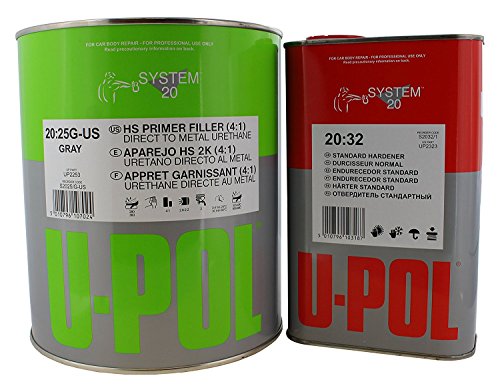
First, ensure you select a high-quality primer designed specifically for engineered wood. Apply a thin and even layer, allowing it to dry thoroughly before proceeding. This step is non-negotiable, as it establishes a solid base and prevents potential absorption issues.
Next, prepare the coating solution by opting for an acrylic or polyurethane formulation, depending on the desired finish. Load your sprayer for optimal application, making sure the nozzle is suitable for a fine mist. Maintain a distance of about 6-12 inches from the surface to achieve uniform coverage.
While spraying, employ a smooth, sweeping motion to avoid unsightly drips. Overlap each pass slightly to ensure consistency. After the initial layer dries completely, apply additional coats as needed to achieve the richness of color and finish you desire. This method will breathe new life into your pieces, enhancing their overall aesthetic.
Application Process for Finishing Medium-Density Fiberboard
Before I begin the application, I make sure the surface is clean and dry. Any dust or grease can interfere with adhesion. I lightly sand the board using fine-grit sandpaper to create a smooth base. This step enhances surface grip for the final coat.


Choosing the Appropriate Coating
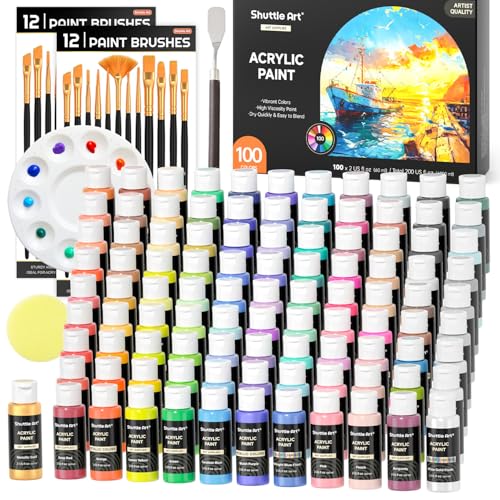
For this project, I opt for a quality lacquer or enamel designed specifically for synthetic substrates. These finishes provide durability and a glossy appearance. I pour the material into a spray gun, ensuring that the nozzle is clean and free from obstructions. I always test the spray pattern on a scrap piece to adjust the flow and spray width to achieve an even finish.
Spraying Technique
I maintain a consistent distance of about 10-12 inches from the surface, moving in smooth, sweeping motions. Overlapping each pass by approximately 50% helps avoid streaks. Applying multiple thin coats allows for better coverage compared to a single thick layer, which can cause drips and runs. I allow adequate drying time between coats according to the manufacturer’s instructions, typically around 15-30 minutes.
Choosing the Right Type of Paint for MDF
Selecting the appropriate coating for engineered wood products requires careful consideration. I prefer using acrylic latex or oil-based formulations. Both types offer unique advantages that align with specific project needs.
Acrylic Latex Options
- Fast Drying: These options typically dry quickly, allowing for multiple coats in a shorter time.
- Easy Cleanup: Water-based solutions simplify the cleanup process, requiring only soap and water.
- Low Odor: Ideal for indoor applications since they emit fewer fumes, enhancing indoor air quality.
Oil-Based Variants
- Durability: These paints often provide a tougher finish, holding up better against wear and tear.
- Rich Finish: They tend to deliver a smoother, more consistent surface, enhancing overall aesthetics.
- Longer Dry Time: While this allows for detailed work, it requires patience and planning.
Blending both types can be advantageous. I recommend a primer suited for engineered wood before applying the topcoat, ensuring an even finish and preventing peeling. Testing a small sample area can help in determining compatibility and the final result.
Preparing Your MDF Furniture for Painting
Begin by cleaning the surface thoroughly. Remove any dust, dirt, and grease using a damp cloth. Allow it to dry completely before proceeding. This step is crucial for the adhesion of the coating.
Sanding the Surface
Lightly sand the exterior using fine-grit sandpaper (around 180-220 grit) to create a smooth texture. Focus on areas with imperfections or previous finishes. After sanding, wipe off the dust with a tack cloth or a damp rag.
Applying Primer
Choose a suitable primer designed for composite materials. Apply a thin coat evenly, ensuring complete coverage. Allow it to dry as per the manufacturer’s instructions. This foundation enhances the final color and durability.
Tools and Equipment Needed for Successful Application
Investing in the right tools can significantly enhance the outcome. Here’s what I recommend:
1. Spraying Device
- Acrylic or solvent-based spray gun suited for smooth finishes.
- An air compressor if using an air sprayer–ensure it’s compatible with your jet type.
- Alternative: Aerosol cans for DIYers seeking convenience.
2. Protective Gear
- Respirator mask to filter harmful fumes.
- Goggles to shield eyes from overspray.
- Gloves to protect skin from chemicals.
3. Surface Preparation Tools
- Sandpaper or a sanding block for a smooth, even surface.
- Clean cloths to remove dust and debris after sanding.
- Masking tape to protect areas you don’t want to coat.
4. Mixing Equipment
- Disposable cups or containers for paint prep.
- Stir sticks for thorough mixing.
- Strainer to eliminate lumps in the mixture.
5. Workspace Setup
- Drop cloths or old newspapers to prevent overspill damage.
- Fan or ventilation system to ensure proper airflow.
- Work table or platform for easy access to the item.
Having these supplies ready can make the process much smoother. Being organized leads to a more enjoyable painting experience and better results.
Properly Mask and Protect Areas
Begin by clearing the workspace of all items that could be damaged. I prefer to use painter’s tape for edging; it provides sharp lines and prevents bleeding. Make sure to apply the tape firmly along the edges and press down to avoid paint seeping underneath.
I cover surfaces surrounding the project with drop cloths or plastic sheets, ensuring everything is securely weighted down. I also suggest using newspaper or masking paper for smaller areas, as it conforms well and absorbs paint run-off effectively.
If there are any hardware elements such as knobs or hinges, I remove them before masking. For larger features, I carefully wrap them in plastic to avoid overspray. Tape around the edges is crucial to ensure protection without affecting the final look.
For intricate designs, I utilize fine-line masking tape. It allows for greater control around curves and detailed sections. I also recommend using a utility knife to trim any excess tape, creating clean lines.
Finally, inspect all masked areas before starting the application process. A thorough check prevents any unintended mistakes and ensures a clean, professional finish. It’s all about attention to detail at this stage.
Applying Primer to MDF Before Paint
First, I choose a high-quality primer specifically designed for porous surfaces. This step ensures optimal adhesion and prevents excessive absorption of the topcoat. I prefer using a water-based primer for ease of cleanup and reduced odor.
Next, I lightly sand the MDF surface using fine-grit sandpaper to create a better bonding surface. After sanding, I wipe away any dust particles with a damp cloth to ensure a clean application.
I pour the primer into a spray gun container, adjusting the nozzle for an even mist. Maintaining a consistent distance of about 6 to 8 inches from the surface helps in achieving a smooth layer without runs or drips. I apply multiple thin coats, allowing adequate drying time between each layer for the best results.
After the final coat of primer dries, I inspect the surface for any imperfections. If necessary, I sand again lightly to create a smooth base for the subsequent color application. This preparation ensures the finish is even and durable once the color coat is applied.
Techniques for Even Application
To achieve a smooth finish, maintaining a consistent distance from the surface is critical. I keep my sprayer about 6-12 inches away to ensure an even distribution of the coating. Avoiding too close proximity helps prevent runs and drips.
Layering for Thickness
Applying multiple thin coats yields a better result than one thick layer. I wait for each coat to dry before adding another. This not only improves adhesion but also minimizes imperfections.
Timing Between Coats
Monitoring the drying time is paramount. I often test with my finger to determine if the previous layer is touch-dry. Typically, waiting around 30 minutes to an hour between applications works effectively, but this can vary based on humidity and temperature.
Using a crosshatch technique during application ensures that I cover the surface thoroughly. I move horizontally and then vertically in overlapping passes. This method helps in avoiding spotty areas and guarantees uniform coverage.
Maintaining a steady pace while spraying leads to consistent applications. I practice moving at a uniform speed, avoiding sudden starts and stops, which can lead to uneven pigmentation.
Final touch-ups may be necessary after the primary application. I lightly sand any imperfections between coats using fine-grit sandpaper to create a smooth base for subsequent layers.
Using the right nozzle size is essential. A smaller nozzle may be needed for detailed work, while a larger one suits broader areas. I adjust this based on the intricacy of the project.
Drying Times and Curing for Spray Paint
After applying your coating, allow it to dry adequately before handling. For most aerosol applications, drying time typically falls between 20 to 30 minutes. Check product guidelines for specific instructions, as variations may occur based on humidity and temperature.
Touch dry doesn’t mean it’s ready for use. For full adhesion and hardening, wait at least 24 hours. Cold or humid environments will extend this period. If you can, elevate room temperature and improve airflow to facilitate quicker curing.
For optimal results, avoid placing items in a enclosed space until the curing phase is complete. This could lead to dust settling or damages. A period of 5 to 7 days is recommended for complete curing, especially if applying multiple layers. Plan your project schedule accordingly.
When applying a topcoat, ensure the product is compatible with prior layers. Always verify guidelines for reapplying coatings, as different formulations may have unique requirements.
Investing time in the drying and curing stages pays off with a durable, professional finish. Resist the urge to rush; patience is key.
Finishing Touches: Cleaning and Maintenance Tips
After completing the application process, my focus shifts to the longevity of the surface. Regular dusting using a microfiber cloth helps prevent build-up. For deeper cleaning, I suggest a damp cloth with mild soap followed by thorough drying.
Preventing Damage and Wear
To maintain the integrity of the coating, I avoid abrasive cleaners and scrubbers. Additionally, protective pads under objects or furniture can prevent scratching and denting. Exposure to direct sunlight can cause fading; using curtains or blinds is a good strategy.
Periodic Recoating
To retain a fresh look, I plan for occasional touch-ups. Inspect the surface periodically for chips or scratches. Addressing any damage promptly helps maintain the aesthetic appeal and functionality.
| Tip | Description |
|---|---|
| Dust Regularly | Use microfiber cloths to remove dust without scratching. |
| Avoid Abrasives | Cleaning with milder products prevents surface wear. |
| Use Protectors | Place pads under items to avoid scratches. |
| Check for Damage | Regular inspections allow for quick repairs. |