
 Caleb Turner

Using a weather-resistant cover is the simplest way to shield your outdoor seating from rain and UV exposure. These covers create a barrier against the elements, extending the lifespan of your pieces. Choose a breathable fabric to prevent moisture buildup, which can lead to mold and mildew.
Regular cleaning is vital. A gentle detergent mixed with water and a soft cloth can remove dirt and grime. Make sure to rinse thoroughly to avoid residue. For deeper stains, a mixture of vinegar and water applied gently will restore the original look without damaging the surface.
Apply a protective sealant designed for synthetic materials every season. This adds an extra layer of defense against fading and cracking. Whenever possible, store your chairs and tables indoors during harsh weather conditions to minimize exposure to extreme temperatures and humidity.
Finally, consider using furniture risers to elevate your seating from the ground. This prevents moisture absorption from the soil and makes the pieces less susceptible to rust and decay. Investing a little time and care now will help keep your outdoor seating looking great for years to come.
Ways to Protect Your Outdoor Wicker Items
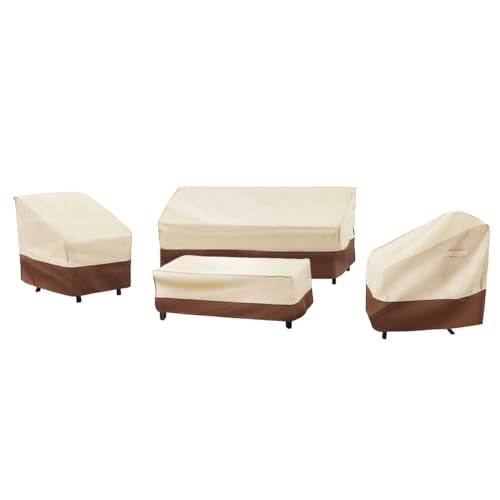
Utilize a high-quality cover when not in use to shield your pieces from the elements. Look for breathable materials that prevent moisture buildup. Ensure the cover fits snugly to avoid wind exposure.


Store cushions in a dry location, like a shed or storage box, to prevent mold and mildew growth. Opt for moisture-resistant containers to enhance protection.
Regularly clean your items with a soft cloth and mild soap solution. This routine helps remove dirt and prevents discoloration. Avoid harsh chemicals that can damage the material.
Apply a UV protectant spray designed for synthetic fibers to enhance resistance against sun damage. This can prolong the lifespan and appearance of your elements.
- Inspect for loose or damaged parts often. Tighten screws and fasteners to keep everything stable.
- Use furniture anchors to secure lighter pieces in windy conditions, minimizing the risk of tipping over.
- Position items strategically in your yard, avoiding areas prone to excessive wind or rain.
Consider placing your pieces on a deck or patio instead of directly on grass to prevent moisture absorption from the ground.
Invest in seasonal maintenance by checking for wear and tear and addressing issues promptly. Keeping a close eye on the condition ensures longevity.
Ultimately, these simple practices contribute to maintaining your outdoor wicker merchandise’s beauty and durability, which allows for enjoyable outdoor experiences.
Choosing the Right Location for Your Furniture
I place my outdoor pieces in a shaded area whenever possible. Direct sunlight can fade colors and weaken materials over time. Consider using natural shade from trees or installing a canopy to protect your items.
Flat and stable ground is essential. Uneven surfaces can lead to instability, potentially causing damage. I ensure my seating and tables are set on a solid foundation, such as a patio or deck.
Avoid Proximity to Water
Keeping my assemblies away from water sources is beneficial. Excess moisture can lead to mold or mildew. I position them at a safe distance from pools, sprinklers, or heavy rainfall areas.
Security Against Wind
High winds can easily knock over lighter pieces. I either choose a sheltered location or use weighted covers to keep them steady. If forecasting strong winds, I bring my seating indoors to prevent accidents.
Regularly reassess the position to adapt to seasonal changes, ensuring optimal protection and longevity for my outdoor investments.
Using Covers to Protect from Weather Elements
I recommend investing in quality protective covers specifically designed for outdoor seating arrangements. These covers should be waterproof and UV-resistant to guard against moisture and sun damage.
Ensure the cover fits snugly to prevent wind from displacing it, as loose covers can cause unnecessary wear. Look for features like adjustable straps or drawstrings for a secure fit.
It’s wise to choose breathable materials that allow moisture to escape, reducing the risk of mold and mildew. Regularly check these covers for any signs of wear and replace them as needed to maintain effective protection.
During harsh weather events, removing cushions and securing them in a dry location can increase their longevity. For additional safety, consider storing your entire setup indoors if possible, particularly in off-seasons.
In summary, protective covers serve as a primary defense against elements, preserving the integrity of your outdoor arrangements and extending their life significantly.
Implementing Weight Techniques to Prevent Movement
To ensure stability, I utilize various methods to add weight to my outdoor seating. One of the most effective approaches is the use of weighted covers. These covers not only shield the pieces from the elements but also provide necessary ballast to resist gusts of wind.
Weighted Items
Adding decorative or functional weighted items can enhance stability. For example, placing heavy pots or planters on or around the seating area minimizes movement. Opt for materials such as concrete or solid stone, which offer significant weight.
| Weighted Item | Purpose |
|---|---|
| Concrete Planters | Stability from wind |
| Heavy Fabrics | Weight with aesthetics |
| Sand Bags | Temporary barriers |
Ground Anchoring
For a permanent solution, I recommend ground anchoring. Installing anchors within concrete slabs or the ground can tether pieces securely. This option is particularly beneficial in windy areas or when fastened against unexpected weather changes.
Incorporating these techniques ensures that my outdoor setup remains intact, providing a worry-free experience, regardless of shifting conditions.
Applying Protective Coatings for Longevity
I recommend using a high-quality protective sealant to safeguard your woven outdoor items. Choose a marine-grade varnish or a polyurethane spray specifically designed for outdoor use; these products create a durable barrier against moisture and UV rays.
Before application, ensure the surface is clean and dry. Lightly sand the area to remove any existing finishes or imperfections, allowing for better adhesion of the new coating. Apply the sealant in thin, even layers, allowing each coat to fully cure before adding the next. I find that two to three coats can significantly enhance the resilience of the material.
Reapply the protective coating annually, especially before the rainy season, to maintain its effectiveness. For additional protection, consider using a clear fabric protector on cushions and upholstery, which helps resist stains and repels water.
Regular maintenance, such as cleaning with a gentle soap solution, will complement the protective efforts. Avoid harsh chemicals that might degrade the finish over time. This approach not only prolongs the life of your furniture but also keeps it looking fresh and appealing.
Storing Furniture During Off-Season
I recommend beginning with a thorough cleaning of your items before storing them. Use a soft brush or cloth to remove dust and dirt. For any stubborn stains, a mild detergent mixed with water can be effective. Ensure that everything is completely dry to prevent mold and mildew formation.
Choosing the Right Storage Location
- Select a dry and cool area; ideally, this should be indoors.
- Avoid basements prone to dampness or attics that might be too hot.
- If outside storage is unavoidable, consider a well-ventilated shed or garage.
Utilizing Protective Covers
Invest in durable, breathable covers specifically designed for your items. This prevents dust accumulation and shields against unexpected moisture. I’m cautious to ensure that the covers fit snugly without being too tight, which might trap moisture.
When storing, keep pieces elevated from the ground to avoid contact with any moisture that may seep up. Wooden blocks or pallets work well for this purpose.
Disassembling When Possible
Where feasible, disassemble larger components for compact storage and to minimize the risk of damage. Keep screws and small parts in labeled bags to ensure easy reassembly when it’s time to use them again.
Regular checks during the off-season can be beneficial. A periodic inspection not only provides peace of mind but allows for the early detection of potential issues like pests or moisture buildup.
Enhancing Security with Locking Mechanisms
I recommend installing high-quality locking systems to ensure your outdoor seating arrangements remain safe. Consider using multi-point locks, as they provide superior protection compared to standard padlocks. These locks distribute tension across various points, making unauthorized removal more difficult.
An additional layer of defense can involve using cable locks. Specifically designed for outdoor items, these can be threaded through furniture and secured to a stationary object, such as a fence or a post. Select a weather-resistant cable to prevent corrosion.
For those with larger collections, consider incorporating a secure storage solution. A locked shed or an outdoor storage unit can serve as a designated area to store your items when not in use. This not only deters theft but also safeguards against weather damage.
Lastly, it’s beneficial to routinely check the condition of these locking mechanisms. Regular maintenance ensures they function correctly and can thwart potential intrusions effectively.
Regular Maintenance to Identify Weak Points
Check for any signs of wear and tear at least once a month. Look for frayed strands or loose connections that may compromise the integrity of the weave. Address these issues immediately to prevent further damage.
Inspect Hardware and Fastenings
Examine screws, joints, and other fasteners for rust or loosening. Tighten any loose components and replace corroded hardware to maintain structural stability. Using rust-resistant materials can prolong the life of these elements.
Clean Thoroughly
Regularly clean surfaces with a mild soap solution and a soft cloth. This helps remove dirt and grime that can cause deterioration over time. Rinse well and ensure that no moisture is trapped in crevices.
By staying proactive with these simple checks and maintenance tasks, you can preserve the strength and aesthetics of your outdoor seating for years to come.


